


More news on this day
Weeks after a freight train derailed near Hickman along the Mississippi River, crews are still working to remove damaged railcars and debris from the riverbank, underscoring how complex and protracted rail cleanups can be when heavy equipment, water, and sensitive ecosystems are involved.
Get the latest news straight to your inbox!
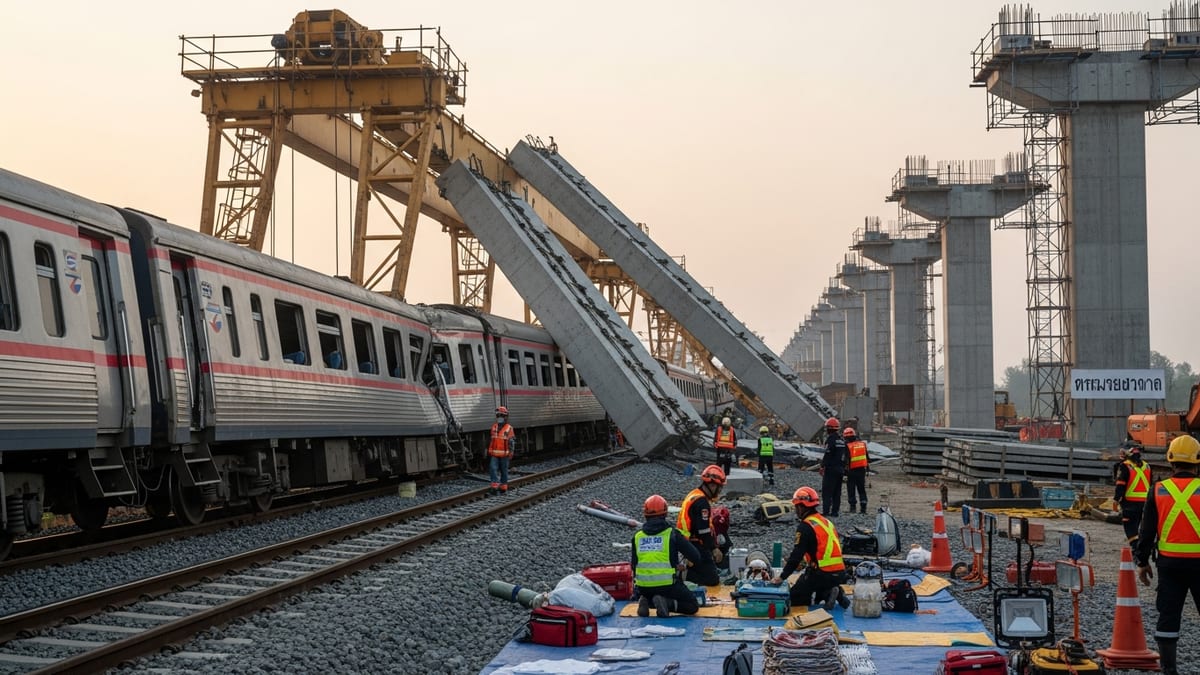
Slow progress at a challenging riverfront site
Publicly available information indicates that the derailment occurred on a busy freight corridor near Hickman, a small river town situated on a bend of the Mississippi. Several railcars left the tracks, some sliding down the embankment toward the water and leaving a tangle of steel, ballast, and broken infrastructure that remains a work in progress weeks later.
Cleanup teams have focused first on stabilizing the site, using cranes and excavators to cut apart twisted metal and move it to staging areas away from the tracks. The riverfront terrain and the steep approach to the bridge have slowed that work, requiring temporary access roads and barge-based support to reach cars closest to the shoreline.
Railroad incident summaries and local reports suggest that traffic through the corridor has resumed on a limited basis, but full restoration of the right-of-way and adjacent riverbank is still ongoing. Railroads typically prioritize reopening a single track, then return to remove remaining wreckage and rebuild embankments, a process that can stretch on long after the initial emergency passes.
Residents and travelers passing through the area continue to see cranes, work lights, and heavy trucks at the site, a visible reminder that recovery from a single derailment can last for weeks even when trains are already running again.
Environmental safeguards along the Mississippi
Because the derailment occurred in close proximity to the Mississippi River, the cleanup has placed particular emphasis on preventing contamination of the waterway. Past rail accidents near rivers, including incidents in other Mississippi River communities, have shown how quickly spilled fuels or cargo can migrate downstream if not contained promptly.
According to published coverage of recent riverfront derailments, standard practice in similar situations includes deploying floating booms, installing silt fences along the shoreline, and closely monitoring for sheens or unusual odors on the water. Contractors also routinely vacuum standing fuel from ditches, collect contaminated soil, and segregate it for treatment or disposal at approved facilities.
In Hickman, observers report the use of containment barriers along sections of the riverbank most affected by the wreckage. While no large-scale release has been highlighted in public summaries, the ongoing presence of environmental contractors suggests that sampling and monitoring are continuing in tandem with mechanical cleanup.
Local interest groups and river advocates typically track these efforts, watching for any signs that sediment disturbance or residual materials from the derailment could affect fish habitat, recreation areas, or downstream drinking water intakes.
Community disruption and lingering logistics
For Hickman residents, the derailment has meant more than just a damaged stretch of track. Weeks of intermittent road closures, detours for riverfront access, and noise from heavy machinery have altered normal routines in and around the small port and nearby neighborhoods.
Based on patterns seen in comparable riverfront derailments, heavy trucks hauling cut-up railcars, scrap steel, and contaminated soil typically move through the area for weeks as contractors clear the site. That activity can strain narrow local roads and affect nearby businesses that depend on easy access to the riverfront or industrial areas along the tracks.
Port operations and river traffic near Hickman have also had to navigate work zones and, at times, restricted access around the accident site. Barges and service vessels supporting the cleanup may share channels with commercial towboats, requiring coordination to minimize delays on an already busy section of the Mississippi.
While some disruptions ease once rail service resumes, the extended phase of debris removal and site restoration means the community continues to live alongside the remnants of the wreck for far longer than the initial emergency period.
Rail safety scrutiny after another riverfront derailment
The prolonged cleanup in Hickman arrives at a time of growing national attention on freight train safety, particularly along routes that parallel major rivers or pass through small towns. Recent derailments in Tennessee, Kentucky, and other river states have prompted renewed discussion about inspection practices, train length, and the condition of older bridges and embankments.
Published coverage of rail incidents in the region highlights a recurring pattern: initial emergency response, temporary closures, and then weeks or months of cleanup that continue largely out of the spotlight. Each event adds to broader questions about how frequently tracks are inspected in hard-to-reach river corridors and whether additional safeguards are warranted where freight lines run just yards from the water’s edge.
Hickman’s experience fits into that broader conversation. Even when a derailment avoids mass casualties or a large hazardous-material release, the long-term footprint of a wreck can be substantial, from damaged levees or access roads to potential impacts on tourism and riverfront investment.
Rail industry representatives often point to overall improvements in accident rates over time, while community advocates emphasize that individual derailments can have outsized consequences in smaller river towns with limited resources to absorb disruption.
What comes next for Hickman’s riverfront
As contractors continue working the Hickman site, the next milestones are likely to include removal of any remaining derailed cars, reconstruction of the embankment, and final grading along the right-of-way. Once those steps are complete, crews typically replant vegetation or install rock armoring to protect against erosion, particularly where tracks sit close to the river.
Environmental follow-up often continues beyond the visible end of heavy construction. Agencies and railroad-hired specialists may return periodically to sample water and sediment, checking for residual contamination and verifying that earlier cleanup measures are holding up through high water, storms, and seasonal river level changes.
For local residents, the hope is that the weeks-long operation will leave the riverfront more stable and resilient than before, even as memories of cranes and floodlights slowly fade. At the same time, the Hickman derailment is likely to be cited in future debates about rail investment along the Mississippi corridor, including calls for upgraded track, enhanced monitoring technology, and additional protections where critical infrastructure, homes, and waterways converge.