


More news on this day
Flash flooding from intense midweek storms in Green Bay has temporarily closed a west side fire station, prompting operational shifts and raising new concerns about how severe weather threatens critical city services.
Get the latest news straight to your inbox!
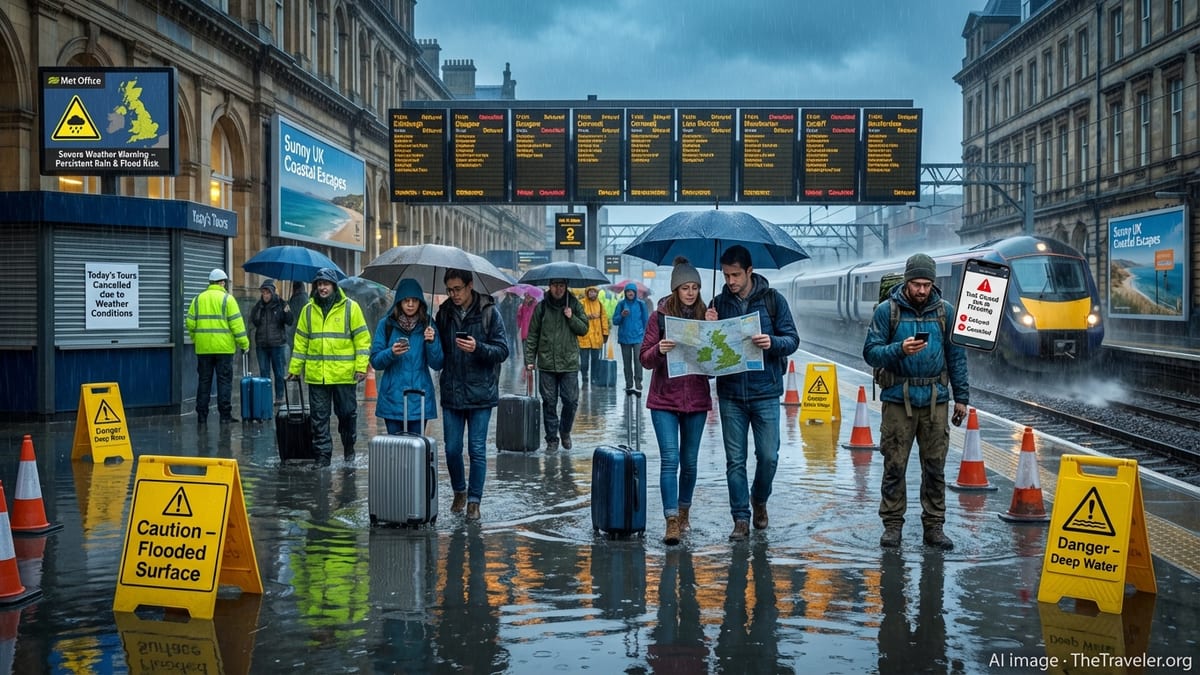
Storms Drench West Side and Disrupt Emergency Services
A series of strong thunderstorms on June 24 brought heavy rain and hail to Green Bay, with reports indicating that the northwest and west sides saw some of the most intense downpours. Local coverage describes water rising quickly on key thoroughfares, leaving vehicles stalled and some intersections impassable as drainage systems struggled to keep up.
Publicly available information shows that the Green Bay Metro Fire Department handled dozens of weather-related calls in just a few hours as water pooled on streets and backed up around low-lying properties. Images and resident accounts circulating in regional media and on social platforms depict knee-deep street flooding in parts of the city and hail accumulation across several west side neighborhoods.
In the midst of the response, a west-side fire station serving this part of Green Bay experienced interior flooding, forcing crews to move equipment and staff to other facilities. Municipal information and local reporting indicate that the building’s operations were suspended so that damage assessments and cleanup could begin, effectively taking the station offline while storm impacts were still being felt.
The closure comes at a time when Green Bay has already been reassessing the resilience of its fire infrastructure. Budget and capital planning documents highlight ongoing needs at several facilities and note that some stations on the west side are older buildings that face modern demands and increasingly volatile weather.
Temporary Coverage Plan for West-Side Neighborhoods
With one west-side station closed, the Green Bay Metro Fire Department has adjusted coverage patterns to maintain response capability. Publicly accessible materials on department operations outline a district model in which neighboring stations can shift apparatus and personnel to cover gaps caused by outages or major incidents.
In this case, reports indicate that nearby stations are temporarily absorbing the call volume that would normally be handled by the closed facility. Engines and other units have been repositioned to shorten travel distances into the hardest-hit parts of the west side, while dispatchers are routing calls with those new assignments in mind.
Regional news coverage notes that even during the height of this week’s storms, crews continued to respond to both medical and fire-related calls despite flooded roadways and intermittent street closures. The reassignment of units means some response times may fluctuate, but the system is designed to keep basic coverage in place while a station is out of service.
City budget and planning records emphasize that west-side districts include a mix of residential neighborhoods, commercial corridors and busy traffic routes. Maintaining coverage for this cross-section of the community is considered a priority, especially when follow-on storms or high water could generate additional emergencies.
Flooded Station Highlights Infrastructure Vulnerabilities
The flooding inside the west-side fire station has sharpened attention on the condition and location of Green Bay’s emergency facilities. Public documents and recent local reporting describe a broader effort to modernize fire stations, with particular focus on health, safety and resilience to hazards such as flooding.
On the west side, planning materials and past coverage point to aging structures that were built for a different era of fire apparatus and climate expectations. Some stations predate contemporary standards for stormwater management and flood risk mapping, leaving them more exposed when short, intense rain events hit paved and developed surroundings.
In addition, the storms arrived in a year when Green Bay has already grappled with rising water on rivers and low-lying streets. Earlier seasonal flooding prompted city leaders to review drainage improvements and potential property acquisitions along flood-prone corridors, signaling a recognition that more frequent high-water events are straining older infrastructure.
The temporary closure of a fire station because of water inside the building illustrates how these pressures extend beyond roads and basements. When critical services are housed in structures vulnerable to flooding, even a relatively short disruption can ripple across emergency response networks and heighten anxiety among residents.
Impacts on Residents and the Travel Experience
For people moving through Green Bay, including visitors and regional travelers, the west-side flooding and station closure come on top of road impacts already reported after the storms. Travel advisories from local outlets have highlighted closures or restrictions on several streets, and motorists are being urged to avoid standing water and respect barricades while conditions stabilize.
Travelers heading into Green Bay for business, leisure or events may notice heavier emergency-vehicle traffic coming from different directions than usual as units respond from alternate stations. In practical terms, this can mean more sirens on main corridors and occasional congestion near intersections that serve as informal detour routes around flooded or damaged segments.
Public information suggests that airport access and major highway links remain open, but localized flooding on connecting streets can still complicate short trips between hotels, attractions and residential areas. Visitors are being encouraged, through regional coverage and municipal advisories, to check current conditions, leave extra time for travel on the west side and be alert for emergency vehicles navigating around remaining high-water spots.
For residents, the station closure is another reminder of how quickly severe weather can affect everyday life on this side of the city. Neighborhood conversations in recent months have increasingly focused on drainage, basement flooding and the way storms are changing expectations for both homeowners and local services.
Next Steps for Repairs and Long-Term Resilience
According to published coverage and available municipal information, the west-side fire station is expected to remain closed while city staff and contractors evaluate the extent of water damage and determine what repairs are needed. That process typically includes inspections of electrical systems, mechanical equipment, interior finishes and any structural elements that may have been exposed to standing water.
Once those assessments are complete, local reporting suggests that city leaders will weigh whether short-term remediation is sufficient or whether more extensive upgrades are warranted. Recent capital plans already identify investment priorities across Green Bay’s fire network, including window replacements, improved ventilation and potential redesigns of older sites. The latest flooding incident may influence how those priorities are sequenced or funded.
In the longer term, planners and emergency managers are expected to continue examining where critical facilities sit in relation to known floodplains, stormwater bottlenecks and aging drainage infrastructure. Experiences from this week’s storms, along with past high-water events, offer fresh data on how quickly different parts of the west side can flood and which routes remain passable for large emergency vehicles.
For residents, travelers and the broader region, the closure of a west-side Green Bay fire station after flooding underscores a growing reality across the Upper Midwest. As heavy downpours arrive more often and with less warning, communities are being pushed to reinforce not only homes and streets but also the buildings and systems that support first responders when the water starts to rise.