


Choosing between a stay at a Westin or a Hyatt is rarely about which hotel is "better" in an absolute sense. Both sit in the upper-upscale space, both belong to powerful global loyalty programs, and both can deliver polished, comfortable stays. The real question is which brand fits the way you actually travel: business-heavy weeks, wellness-focused getaways, family vacations, or points-powered adventures. Here is a practical comparison, grounded in real properties, typical nightly rates and loyalty considerations, to help you decide where you will feel most at home.
Get the latest updates straight to your inbox!
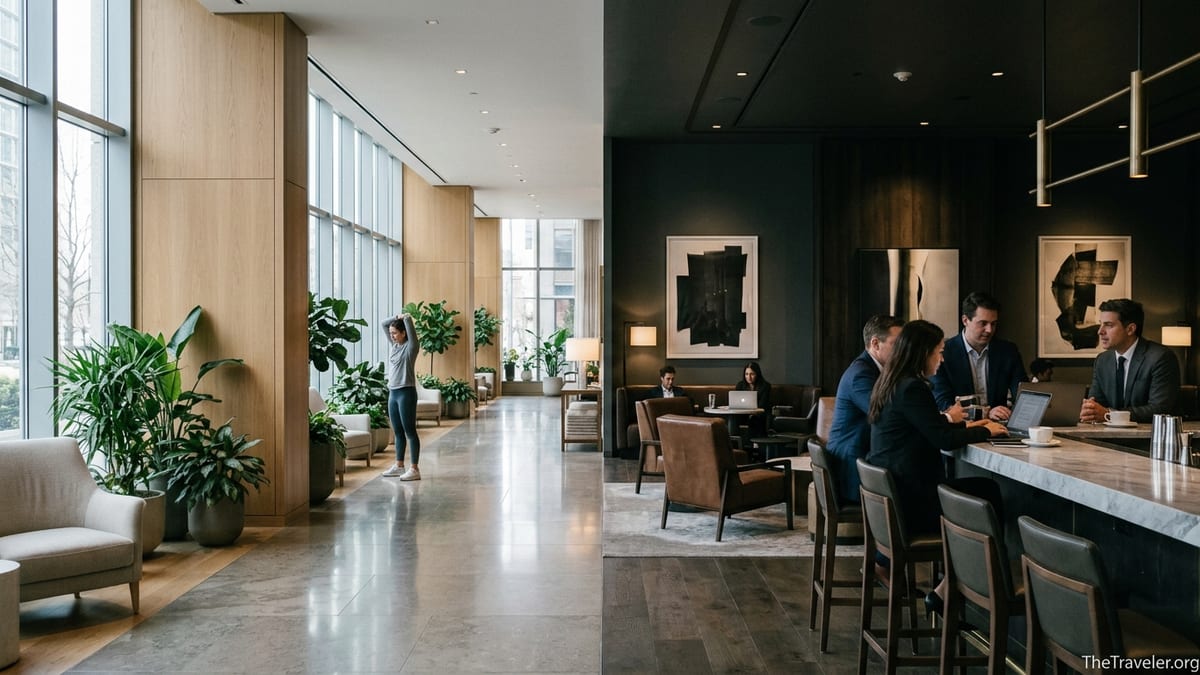
Brand DNA: What Westin and Hyatt Actually Stand For
Westin sits within the Marriott Bonvoy portfolio as a wellness-forward, upper-upscale brand. Marriott leans into Westin’s “feel better when you leave than when you arrived” positioning, which shows up in signature Heavenly Beds, in-room fitness gear at many properties, and menus designed around lighter, nutritious options. If you check into The Westin Denver Downtown or The Westin Austin at The Domain, you will see this in everything from in-room lavender balm to prominent fitness studios and gear-lending programs.
Hyatt, by contrast, is a full group of brands under the World of Hyatt umbrella. When most travelers say “I’m staying at a Hyatt,” they usually mean Hyatt Regency or Grand Hyatt for business and events, or Park Hyatt, Andaz or Thompson for higher-end, design-driven stays. A conference at Hyatt Regency Chicago feels different from a long weekend at Andaz Maui at Wailea Resort, yet both earn and burn in the same loyalty program.
If you like a consistent, wellness-centric look and feel, Westin’s brand is tighter and more uniform. You can usually expect muted color palettes, lots of natural light, and similar room layouts whether you are in a Westin in Boston or Brisbane. Hyatt, on the other hand, is more of a menu: classic convention hotels like Hyatt Regency Orlando, splashy Grand Hyatts in city centers, lifestyle properties like Thompson Nashville or The Standard-branded hotels now being integrated into Hyatt’s lifestyle portfolio. That flexibility can be a plus or a minus depending on how much variety you enjoy.
For a traveler who wants every stay to feel predictably similar and wellness-oriented, Westin usually wins. For someone who wants to choose from multiple styles, from businesslike to boutique-lifestyle to ultra-luxury, Hyatt offers far broader range under one loyalty roof.
Footprint, Locations and Trip Types
Westin is part of Marriott, which operates thousands of hotels worldwide and celebrated more than 200 million Marriott Bonvoy members in 2024. While Westin itself is just one of many Marriott brands, its distribution is strong in business and convention hubs, plus a curated set of resorts. You will find Westins near major convention centers, financial districts and airports, such as The Westin Peachtree Plaza in Atlanta or The Westin Boston Seaport District, alongside resort options like The Westin Reserva Conchal in Costa Rica.
Hyatt’s portfolio is smaller in overall property count, but it has been expanding aggressively, particularly in high-end and lifestyle segments and resort destinations. The wider Hyatt portfolio now includes more than a thousand properties across brands such as Park Hyatt, Grand Hyatt, Hyatt Regency, Andaz, Thompson Hotels and several all-inclusive resort flags. New signings and openings over the last two years have focused on luxury and lifestyle hotels in markets like Kuala Lumpur, Mexico’s Pacific Coast, and European capitals.
In practical terms, this matters when your trip is tied to a specific location. If you are attending a large medical conference inside the Orange County Convention Center in Orlando, Hyatt Regency Orlando sits directly on International Drive, often making it the most convenient choice. In Chicago, Hyatt Regency Chicago is connected to the downtown core along the Chicago River and offers more than 2,000 rooms, which is ideal for conventions. But in some mid-size US cities or along interstate corridors, you may find a Westin paired with a convention center when Hyatt’s nearest equivalent is several miles away, or vice versa.
For frequent business travelers whose destinations are dictated by clients or conferences, it often makes sense to check which chain has the better-located property in your typical cities. If your work takes you repeatedly to places like Phoenix, Seattle, Frankfurt or Toronto, you might find a conveniently located Westin in some and a flagship Hyatt Regency or Grand Hyatt in others. A quick scan of your next 6 to 12 months of likely trips will often answer whether Westin’s footprint or Hyatt’s mix of brands lines up better with your real travel map.
Style, Rooms and On-Property Experience
Westin’s experience is built around calm and routine. Rooms tend to feature neutral, natural-inspired decor, large work desks, signature white bedding, and touches like eucalyptus or lavender amenities. At many properties you will see in-room fitness options such as yoga mats or stationary bikes, and public spaces often highlight greenery and natural materials. For example, newer or renovated Westin hotels in North America commonly emphasize biophilic design and large windows to bring in daylight, reflecting the brand’s wellness positioning.
Hyatt’s on-property experience is more varied by brand. Hyatt Regency and Grand Hyatt typically feature large lobbies, multiple restaurants and bars, and extensive meeting space. Rooms are designed with work in mind, with generous desks, ergonomic chairs and, increasingly, residential-style touches after recent renovations. Park Hyatt focuses on understated luxury and local design cues, often with higher-end materials, larger bathrooms and strong in-room dining programs. Lifestyle brands like Andaz, Thompson and The Standard offer bolder design, local art, buzzy lobbies and bar scenes that appeal to leisure and creative travelers.
Concrete example: a week at The Westin New York Grand Central will likely give you a quiet, consistent room, an efficient breakfast option geared to busy professionals, and a solid gym where you can keep your running routine. A similar-length trip based at Hyatt’s Andaz 5th Avenue or a Thompson-branded property might feel more like living in a design-forward city apartment, with hip lobby bars, vinyl record listening corners, or rotating art installations, but still with a work-ready desk and fast Wi-Fi.
Families will also notice differences. Many Westins offer connecting rooms and standard pools, but Hyatt’s portfolio includes numerous resorts and all-inclusive properties under brands like Hyatt Ziva and Hyatt Zilara where kids’ clubs, multiple pools and activity schedules are built in. If your idea of a great vacation is one booking that includes activities and most meals, Hyatt’s family-friendly resort brands can make World of Hyatt more compelling overall, even if you still enjoy Westin on business trips.
Wellness, Fitness and Food: Where Westin Shines and Hyatt Catches Up
Wellness is where Westin has built a clear identity. Many Westin hotels feature group runs led by “run concierges,” partnerships with athletic gear brands for on-loan workout clothes, and guest programs that emphasize sleep quality and recovery. Busy consultants who land late and still want access to a quality treadmill and decent salad will usually feel that Westin was designed with them in mind.
In-room dining at Westin often includes a “SuperFoods” style menu section with options like quinoa bowls, grilled fish with vegetables and lighter, protein-forward breakfasts. This does not mean you cannot order a burger and fries, but the message is clear: you are encouraged to maintain your wellness routine on the road. For a traveler training for a marathon or simply trying to avoid returning from every business trip feeling sluggish, that framing can be very motivating.
Hyatt has invested in wellness through both dedicated wellness brands and upgraded facilities at its city hotels and resorts, but the experience is less homogeneous. A Miraval wellness resort in Arizona or Texas is an immersive, spa-focused retreat with programming that fills your day with yoga, mindfulness and nutrition classes. At a standard Hyatt Regency, you may simply have a well-equipped gym, a good pool and maybe a spa, but not a tightly branded wellness narrative like Westin’s. Lifestyle brands such as Andaz may emphasize local, seasonal menus and outdoor social spaces more than overt “wellness” messaging.
For a traveler who knows wellness is their top priority on every stay, Westin often makes it easier to stay in that groove without thinking too hard. If wellness is a sometimes priority and you also care about vibrant public spaces, rooftop bars and destination restaurants, Hyatt’s broader brand set might serve you better, especially in cities where an Andaz or Thompson property doubles as a local hotspot.
Price, Value and How These Brands Feel on a Real Bill
Room rates for both Westin and full-service Hyatt brands vary widely by city and season, but in many North American and European markets they compete head-to-head. On an average midweek in shoulder season, you might see a downtown Westin pricing at around 250 to 350 US dollars per night and a comparable Hyatt Regency or Grand Hyatt within a similar band for a standard king room. At peak times, such as major conventions or holiday weeks, both can climb to 500 dollars or more per night in cities like San Francisco, New York or London.
In resort destinations, price spreads can widen based on the exact brand. A Westin in a Caribbean or Mexican resort area might sit below a nearby Park Hyatt or Thompson, but above a select-service Hyatt Place. For example, a beachside Westin in Mexico could price at roughly 350 to 450 dollars a night in high season, while an all-inclusive Hyatt Ziva resort in the same region might appear higher at first glance yet include most meals and activities, changing the value equation for families who would otherwise eat out three times a day.
Fees and inclusions also matter. Both chains sometimes charge destination or resort fees that can add 30 to 60 dollars per night, particularly at resorts or city-center properties with large amenity sets. A traveler whose company reimburses only base room rates may find more out-of-pocket surprises at resort-style hotels. If your trips are mostly expensed corporate travel, you might simply choose the property that is closer to your client’s office, even if nightly rates are similar, and let the loyalty program be the tie-breaker.
Over multiple trips in a year, loyalty redemptions and elite perks can bring the “real” cost of each brand down substantially. A frequent business traveler who spends 60 to 80 nights a year at Westin and other Marriott brands may end up with several free nights at a Westin resort. Similarly, a traveler who targets World of Hyatt status might channel those nights into a Park Hyatt weekend in a global city or a points stay at an all-inclusive resort, effectively turning work trips into a nearly free vacation.
Loyalty Programs: Marriott Bonvoy vs World of Hyatt
If you are deciding between Westin and Hyatt for the long term, the choice is really about Marriott Bonvoy versus World of Hyatt. Marriott Bonvoy has a far larger footprint and multiple elite tiers, with Westin categorised as an upper-upscale option where elite benefits like late checkout, room upgrades and, at higher tiers, lounge access or breakfast can apply. A traveler who spreads their stays across Courtyard, Sheraton, Westin and other Marriott brands still consolidates progress toward Bonvoy status.
World of Hyatt is smaller in property count but highly regarded among frequent travelers for the relative value of points and the consistency of top-tier elite treatment. Travelers who reach Hyatt’s Globalist tier often report more reliable suite upgrades, guaranteed late checkout and free breakfast or lounge access for themselves and their registered guest at many brands. The flip side is that earning this status generally requires concentrating your nights at Hyatt’s various brands, which can be harder in regions or smaller cities where Hyatt’s presence is thin.
In practice, if you are a US-based traveler whose work sends you repeatedly to cities dense with both Marriott and Hyatt options, you can realistically choose either ecosystem and work toward meaningful status. If your travel pattern includes many secondary cities, roadside overnights or regions where Marriott dominates, leaning into Westin and the broader Bonvoy portfolio may be more practical because you will find eligible hotels almost everywhere.
For a leisure-focused traveler planning one or two big trips a year, loyalty may matter less than the specific hotel’s location and vibe. In that case, you might treat Westin and Hyatt more interchangeably and simply book whichever property offers the better combination of rate, reviews and fit for your style, using loyalty programs for incremental value rather than as the primary decision driver.
Which Brand Fits Your Travel Style?
For road-warrior business travelers, the deciding factors are often reliability, desk space, Wi-Fi and elite perks. If your trips are dominated by conventions and client meetings in major hubs where both brands are present, Hyatt can be very attractive if you are willing to focus enough nights to reach higher elite tiers, which deliver strong benefits on every stay. But if your schedule pulls you into dozens of smaller towns and airport-adjacent stops, Westin within the Marriott universe might make it much easier to maintain status, since you can dip into many Marriott brands when no Westin or Hyatt is nearby.
Wellness-focused travelers who build their days around workouts, healthy meals and restorative sleep will likely feel most aligned with Westin’s brand promise. For example, someone training for a half marathon who travels twice a month for work might appreciate Westin’s run concierge programs, in-room fitness gear and consistent gym quality. They can book a Westin in cities like Dallas, Vancouver or Madrid knowing that the focus on sleep quality and movement will be front and center.
Design- and experience-oriented leisure travelers often gravitate toward Hyatt’s lifestyle and luxury brands. A long weekend at a Thompson hotel with a rooftop bar and DJ set, or a stay at Park Hyatt Paris or Tokyo, delivers a sense of place and style that is often more distinctive than a typical business-oriented hotel. If your vacations are about architecture, restaurants and nightlife as much as comfort, Hyatt’s portfolio may offer more options that feel memorable and destination-specific.
Families and groups planning resort vacations should weigh Hyatt’s all-inclusive and resort offerings against Westin’s traditional resort properties. For a multi-generational trip to Mexico or the Caribbean, booking several rooms at a Hyatt Ziva property can simplify budgeting and logistics, since many activities and dining options are included. A similar trip based at a Westin resort may provide a calmer, less programmed environment, which some families prefer, but with more separate decisions around meals and activities.
The Takeaway
Westin and Hyatt both occupy a premium slice of the hotel landscape, which means that whichever you choose, you can generally expect a comfortable bed, strong Wi-Fi, solid service and a professional environment. The better fit comes down to how you actually travel and what you value most: Westin’s wellness-first consistency within Marriott’s enormous network, or Hyatt’s rich mix of brands, strong top-tier elite treatment and growing portfolio of lifestyle and resort properties.
If you are a wellness-focused business traveler who visits a wide variety of cities and wants your hotel to feel like a familiar, restorative base every time, concentrating on Westin and the broader Marriott Bonvoy program is likely to feel rewarding. If you are willing to be more selective about where you stay, and your trips cluster around cities and resorts where Hyatt has a strong presence, then building loyalty with Hyatt can unlock particularly generous benefits and more distinctive properties.
Ultimately, the best way to decide is to look at your next year of likely destinations, shortlist two or three candidate hotels in each city, then compare not just nightly rates but also how each property’s atmosphere, wellness and loyalty benefits match your travel style. After a handful of stays with each brand, you will quickly discover whether you feel more “yourself” walking into the calm lobby of a Westin or the buzz of a Hyatt lifestyle hotel.
FAQ
Q1. Is Westin considered more luxurious than Hyatt? Westin is an upper-upscale brand within Marriott, roughly comparable to Hyatt Regency or some Grand Hyatt properties; true luxury within Hyatt is usually Park Hyatt or top-tier lifestyle hotels, so neither chain is strictly more luxurious overall.
Q2. Which is better for business travelers, Westin or Hyatt? For frequent business travelers attending conferences in major hubs, Hyatt can be excellent thanks to large Hyatt Regency and Grand Hyatt properties; however, if your work takes you to many smaller cities where Hyatt may not have a presence, Westin within Marriott’s larger portfolio can make it easier to maintain elite status and find a familiar experience.
Q3. Which brand is better for wellness-focused stays? Westin generally has the clearer wellness identity, with consistent fitness-forward programming, gear-lending and sleep-focused design, making it a strong choice if wellness is a top priority on every trip.
Q4. How do prices at Westin compare with Hyatt? In many city centers, standard rooms at Westin and comparable Hyatt brands often fall in similar ranges, though exact rates vary based on season, events and local demand; resort pricing can differ more depending on whether you choose an all-inclusive Hyatt property or a traditional Westin resort.
Q5. Which loyalty program is stronger, Marriott Bonvoy or World of Hyatt? Marriott Bonvoy offers a much larger global footprint and more ways to earn nights, while World of Hyatt is often praised for delivering strong top-tier benefits and good redemption value; the better choice usually depends on where you travel most and how many nights you can realistically concentrate with one chain.
Q6. Are Westin hotels good for families? Many Westin properties work well for families, especially resorts with pools and beach access, though they typically follow a traditional hotel model where meals and activities are mostly a la carte rather than bundled.
Q7. Are Hyatt hotels good for families? Hyatt’s portfolio includes family-friendly resorts and several all-inclusive brands where kids’ clubs, entertainment and multiple dining options are built in, which can make planning and budgeting easier for family trips.
Q8. If I travel only a few times a year, does it matter whether I choose Westin or Hyatt? For occasional travelers, specific hotel location, room type and atmosphere usually matter more than loyalty points; you might simply book whichever Westin or Hyatt in your destination offers the best combination of rate, convenience and reviews, and treat any points earned as a bonus.
Q9. Which brand is better for design and nightlife? Hyatt’s lifestyle and luxury brands, such as Andaz or Thompson, often emphasize bold design, destination bars and active social spaces, making them appealing to travelers who care as much about ambience and nightlife as about a comfortable room.
Q10. How should I choose between Westin and Hyatt for a single important trip? Start by mapping your priorities for that trip, such as walkability, wellness facilities, pool quality or club lounge access, then compare specific properties in your price range; in many cities you will find both a Westin and at least one full-service Hyatt, and reading recent reviews, checking room photos and scanning the amenity lists will usually make the better fit clear.