


More news on this day
New international tourism figures point to a powerful resurgence of United States beach destinations, with the country now outpacing more than two dozen competitors across the Americas and ranking just behind Mexico in regional visitor appeal.
Get the latest news straight to your inbox!
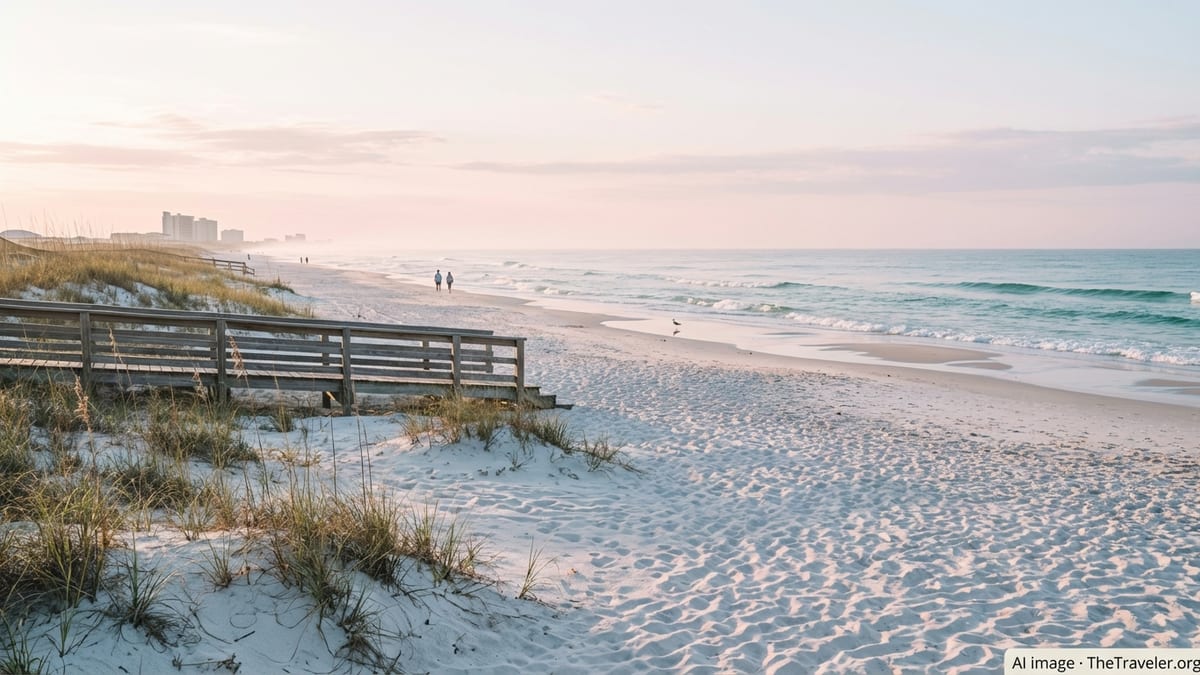
UN Tourism data places US just behind Mexico in the Americas
Recent compilations of international arrivals by UN Tourism and other global monitors show the United States consolidating its role as a leading tourism powerhouse, sitting behind only Mexico in the ranking of most visited destinations in the Americas. Estimates for 2024 indicate that the US welcomed more than 70 million international visitors, with publicly available summaries placing the country near 72 million arrivals, while Mexico drew about 45 million international visitors over the same period.
International tourism highlights published in 2024 describe the Americas as one of the fastest recovering regions, with destinations in North America capturing a sizable share of global demand. Within that picture, the United States and Mexico consistently appear as the two most visited countries in the hemisphere, ahead of Canada, Caribbean island states and other Latin American nations that traditionally compete for long haul leisure travel.
These rankings translate into a tourism landscape in which US beach destinations are increasingly central. Industry analyses underline that a substantial proportion of inbound trips to the United States involve coastal stays, particularly in Florida, California, Hawaii and the Carolinas, helping to push the country ahead of more than twenty eight regional rivals in the contest for sun and sea travelers.
Economic assessments from organizations such as the OECD and national tourism offices note that the United States also continues to lead in tourism receipts, reflecting higher average spending on accommodation, dining and activities. That spending is particularly visible in coastal resort corridors where international visitors combine beach time with shopping, entertainment and short excursions inland.
Florida and East Coast beaches fuel the new wave of demand
Fresh booking and search data for the 2026 summer season underscore how strongly US beaches are performing. A recent seasonal index from a major travel platform points to East Coast and Florida beaches as the most sought after destinations for American summer travelers, highlighting locations such as Clearwater and Longboat Key in Florida, as well as Myrtle Beach in South Carolina, among the top trending spots.
These same destinations are also climbing in popularity among international visitors, according to publicly available airline and lodging metrics, which show increasing capacity on transatlantic and regional routes into Florida and other coastal hubs. Travel providers report sustained interest in beach cities that offer a mix of family friendly resorts, short break accessibility and a high density of new accommodation options.
Florida in particular remains a bellwether for the broader beach sector. Industry studies on the US vacation ownership and resort market describe the state as the single largest concentration of timeshare and resort inventory in the country, with new projects in the Gulf Coast and Atlantic coast corridors adding to an already dense cluster of beach focused properties. This expanding supply is intended to meet both domestic and foreign demand, especially from Canada, Europe and Latin America.
Beyond Florida, the same wave of interest is spilling into Atlantic coast communities from the Outer Banks of North Carolina to smaller destinations along the Delaware and Maryland shoreline. Travel platforms identify places like Myrtle Beach, Orange Beach and Gulf Shores as emerging favorites for long weekend breaks, a pattern that is feeding steady year round traffic in what were once highly seasonal markets.
Hawaii, California and the Gulf Coast refresh their stays
On the Pacific side, Hawaii and California continue to anchor the premium end of United States beach tourism. Data compiled in 2024 by tourism researchers and state level agencies shows that international arrivals to Hawaii are steadily recovering toward pre pandemic levels, with a strong concentration in resort corridors on Oahu, Maui and the Island of Hawaii. High room rates and sustained occupancy figures in these locations reflect robust interest from visitors from Japan, Canada and other Asia Pacific markets.
California’s extensive coastline, from San Diego and Orange County up through Los Angeles and the Central Coast, similarly benefits from strong air connectivity and a constant pipeline of hotel renovations. Market reports indicate that major brands have been refreshing existing beachfront properties and opening new lifestyle oriented hotels near the shore, aiming to tap travelers who combine beach days with urban cultural experiences.
The Gulf of Mexico coastline is undergoing its own transformation. Areas in Texas, Alabama and the Florida Panhandle have seen an uptick in midscale and upper midscale hotel development, according to construction tracking services, as investors respond to demand for drive to beach destinations within the United States. Publicly available pipeline data show new hotels and resort style projects clustering around established beach towns, enhancing capacity for both short stays and extended family vacations.
These coastal build outs, while significant, remain subject to infrastructure and environmental constraints. Analysts note that planning regulations, shoreline protection measures and insurance costs shape where new properties can be built, particularly in hurricane exposed zones. Even so, the overall volume of investment underlines how central beach tourism has become to the broader US hospitality industry.
Mexico sets the pace as US competition intensifies
Mexico’s performance provides the most direct benchmark for the United States in the regional beach tourism race. Government releases citing UN Tourism data report that Mexico welcomed about 45 million international tourists in 2024, confirming its status as one of the world’s top six destinations by arrivals and the second most visited country in the Americas. Popular Caribbean and Pacific coast resorts, from Cancun and the Riviera Maya to Los Cabos and Puerto Vallarta, anchor the country’s global reputation for beach travel.
Comparative analyses of arrivals and tourism receipts suggest that, while Mexico currently leads on pure beach specialization, the United States has the advantage in overall visitor spending, diversified product and air connectivity. Industry commentators describe the two neighbors as complementary rather than strictly rival destinations, with many visitors combining trips across both countries over several years.
Travel demand data from platforms and airline systems indicate that Mexico and the United States jointly dominate search interest for beach holidays in the Americas, overshadowing dozens of other coastal nations and territories. Caribbean islands, Central American countries and South American coastal destinations continue to grow, but often at smaller absolute volumes compared with the two regional giants.
This dynamic prevents any single market from fully monopolizing beach tourism. Instead, it reinforces a tiered structure where Mexico sets the benchmark for resort focused tourism, the United States leads a new wave of diversified beach and urban coastal stays, and a long tail of other countries compete through niche offerings such as eco lodges, surf camps or ultra luxury hideaways.
New lodging concepts reshape the American shoreline
The new wave of United States beach tourism is not confined to traditional resort formats. Hospitality research for 2024 and 2025 highlights a fast growing mix of branded vacation rentals, condo hotels and timeshare style properties along the coasts. Developers are betting that visitors want more space and residential style amenities, especially when traveling in small groups or on longer stays.
Reports from the US timeshare industry show that beach and island destinations account for a large share of new inventory, with Florida, South Carolina, Hawaii and parts of the West Coast emerging as focal points. These projects frequently integrate pools, beach clubs and access to nearby attractions, tailoring the experience for repeat visitors who return to the same stretch of coast year after year.
In parallel, many coastal cities are seeing a refinement of the boutique and lifestyle hotel segment. Newly opened properties near beaches in markets such as California and the Southeast emphasize design, food and beverage concepts and proximity to cultural districts as much as ocean access. This approach aims to differentiate US coastal stays from all inclusive resort models more common in some competing destinations.
Together, these trends illustrate how the United States has converted strong international arrivals into a broad, evolving beach tourism offer. With Mexico still setting the pace in pure resort volume but US coastal markets driving innovation in accommodation and experiences, the Americas are emerging as one of the most competitive and dynamic regions for global seaside travel.