


More news on this day
A new wave of airline routes linking Gulf hubs with Thailand is reshaping how Middle Eastern travellers reach Bangkok and a widening mix of Thai beach, culture and wellness destinations in 2026.
Get the latest news straight to your inbox!
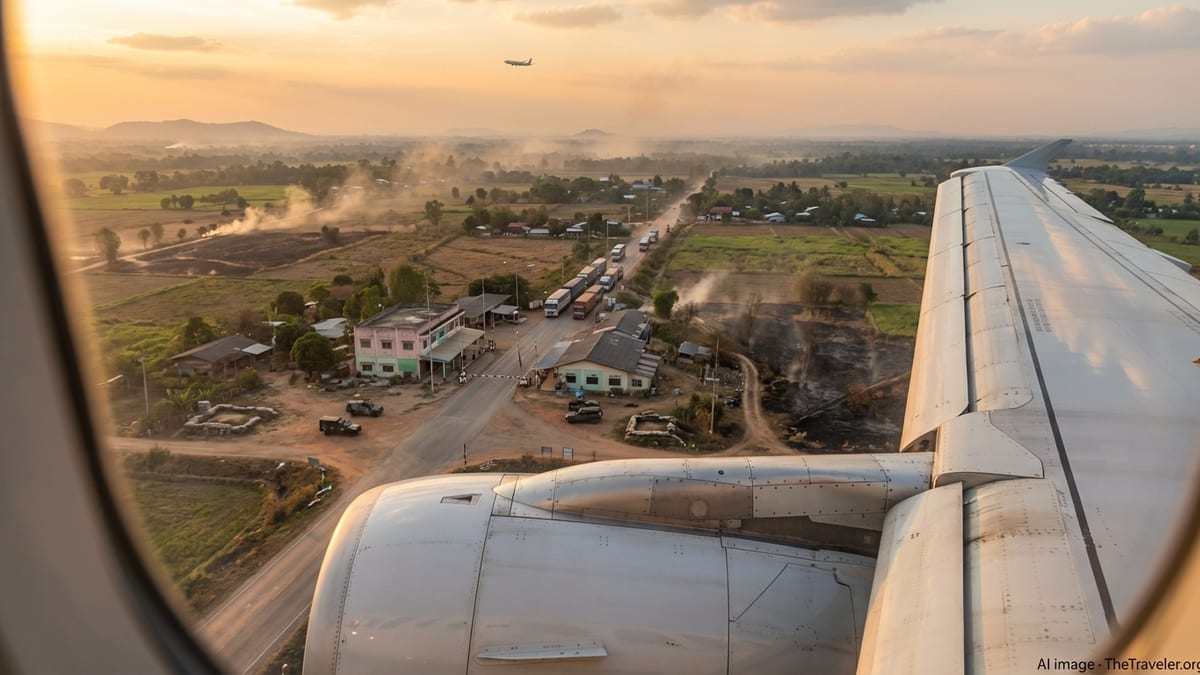
New Gulf Services Put Thailand Back on the Middle East Map
Publicly available airline schedules and tourism updates for 2026 show carriers in the Gulf steadily rebuilding and expanding their Thailand networks after several years of volatility. Dubai, Abu Dhabi and Doha remain the primary gateways, while Saudi Arabia’s fast‑growing aviation sector is adding further capacity into Bangkok and resort destinations. The result is a denser web of connections that shortens journey times for travellers from Riyadh, Jeddah, Dubai and other Middle Eastern cities.
Among the most notable developments, Emirates recently increased its operations to Thailand with additional service to Phuket from Dubai, using Airbus A350 aircraft to meet a rise in leisure demand from Europe and the Middle East. The move sits alongside the carrier’s existing high‑capacity services into Bangkok, reinforcing the Thai capital and the southern islands as core leisure markets for Gulf passengers.
Etihad Airways and other regional carriers are also adjusting networks to capture renewed demand between Gulf cities and Southeast Asia. Network information indicates that Bangkok remains one of Etihad’s key Asian gateways, and Thai and Emirati tourism officials have promoted closer collaboration around new and existing routes. Industry observers say these services are increasingly timed to optimise connections from Saudi Arabia, Kuwait and other Gulf Cooperation Council states.
Thai tourism planners are treating the Middle East as a high‑value long‑haul market and see air connectivity as central to future growth. Recent policy documents from Thai agencies highlight that new or upgraded Gulf routes are expected to support not only Bangkok and Phuket, but also secondary cities positioned as gateways to northern mountains, wellness retreats and quieter beaches.
Bangkok Remains the Primary Gateway for Middle Eastern Visitors
Bangkok continues to anchor Thailand’s appeal for Middle Eastern travellers, acting as both a stand‑alone city break and a jumping‑off point for multi‑centre trips across the country. The city’s extensive hotel stock, shopping districts and well‑known halal‑friendly facilities make it a familiar first stop for visitors arriving on Middle Eastern carriers.
Tourism Authority of Thailand briefings for 2026 describe the Middle East as a high‑spending segment, with average per‑trip expenditure estimated around 100,000 baht. This spending is typically concentrated in Bangkok’s upscale hotels, private pool villas on the city’s outskirts, medical and wellness clinics, and luxury malls catering to Gulf travellers during peak travel periods such as Eid holidays and school breaks.
New and reinforced Gulf services into Bangkok are expected to support the city’s role as a regional aviation hub. With multiple daily flights from Dubai and regular services from Abu Dhabi and Doha, Middle Eastern visitors can connect through Suvarnabhumi Airport to domestic routes serving nearly every major Thai destination. Thai policy papers also suggest that improving transit experiences and airport services is part of a broader strategy to keep Bangkok competitive against rival hubs in the region.
At the same time, planners are seeking to disperse visitors more widely around the country. Campaigns marketed in the Gulf spotlight Bangkok as the first chapter of a longer itinerary, framing the capital as a place for shopping and dining before onward journeys to beach, nature or cultural destinations accessed by short domestic flights.
Phuket, Krabi and Southern Beaches Climb Higher on Gulf Wishlists
The southern Andaman coast is emerging as the principal area of expansion beyond Bangkok for Middle Eastern visitors. Phuket in particular is seeing rising capacity from Gulf carriers, with the latest Emirates frequency building on an already significant presence from Dubai. Travel industry coverage notes that this extra capacity is targeted at both European and Middle Eastern passengers seeking sun, sea and private-villa stays with direct access from Gulf hubs.
Nearby Krabi is also moving into focus for the Middle East market. According to regional tourism reporting, Etihad Airways has outlined plans to operate regular services linking Abu Dhabi with Krabi, alongside flights to Bangkok, Chiang Mai and Phuket. These links are designed to give Gulf residents more non‑stop options to Thailand’s beaches, cutting travel times and reducing reliance on domestic connections through Bangkok during busy periods.
Thai authorities are pairing this new airlift with efforts to broaden the range of experiences on offer. Southern provinces are being promoted in Middle Eastern markets for their family‑friendly resorts, private pool villas, yacht charters and wellness retreats. Local tourism businesses are responding with more halal‑certified restaurants, privacy‑focused accommodation and Arabic‑language services in key areas of Phuket and Krabi, mirroring developments already seen in Bangkok.
Reports from Thailand’s tourism agencies indicate that these southern destinations are central to revenue‑driven growth targets for 2026 and beyond. By encouraging longer stays that combine multiple resorts or excursions to nearby islands, planners hope to derive more value per visitor rather than relying solely on higher overall arrival numbers.
Chiang Mai, Culture Routes and Wellness Retreats Gain Traction
While beaches dominate many Gulf holiday wishlists, northern Thailand is steadily emerging as a complementary draw. Industry coverage of airline plans suggests that Chiang Mai is one of the secondary cities benefitting from new or proposed Gulf connections, particularly through Abu Dhabi. These links would give Middle Eastern visitors more direct access to cooler mountain climates, hill‑country scenery and cultural attractions away from the coast.
Thai tourism strategies highlight that Middle Eastern travellers are increasingly seeking privacy, space and tailored experiences, making boutique resorts, pool villas and wellness retreats in the north particularly attractive. Chiang Mai and surrounding provinces are being positioned as centres for spa and wellness programmes, soft‑adventure activities and cultural immersion, often packaged as an add‑on following time in Bangkok or at the beach.
The emphasis on wellness aligns with campaigns promoted in Dubai and Abu Dhabi under themes such as “Healing is the New Luxury,” which showcase Thailand’s combination of spa traditions, medical services and natural settings. Travel promotions in Gulf markets often group Chiang Mai with nearby provinces that offer elephant sanctuaries, nature reserves and temple complexes, creating multi‑day land itineraries that complement resort stays further south.
As new routes and marketing partnerships bed in, travel businesses report growing interest from Gulf families and couples in combining three‑stop itineraries, for example pairing Bangkok shopping with Phuket beaches and a few days of cooler air and cultural touring in Chiang Mai.
High‑Spending Gulf Market Central to Thailand’s “Value over Volume” Push
Behind the network changes lies a wider shift in Thai tourism policy. Government and Tourism Authority of Thailand strategy papers describe a pivot from maximising visitor numbers to prioritising higher‑spending markets, under slogans such as “Value is the New Volume” and “Thailand Tourism Next.” Within this framework, the Middle East is treated as a core long‑haul segment because of its comparatively high per‑capita spending and demand for premium services.
Planning documents for 2026 set ambitious revenue targets alongside visitor forecasts of roughly 30 to 36 million international arrivals, with long‑haul markets including the Middle East expected to contribute significantly to overall tourism income. Officials have highlighted that average spending by Middle Eastern visitors already outpaces many regional markets, and that this segment is less dependent on mass‑market group tours.
To sustain growth from the Gulf, Thai agencies are focusing on several pillars: stronger airline partnerships, expanded halal‑friendly products, enhanced safety messaging and diversified itineraries that connect Bangkok with secondary destinations. Roadshows and trade events held in Dubai and Abu Dhabi in 2026 have placed particular emphasis on luxury, wellness and family travel, aiming to reassure travellers amid wider geopolitical uncertainty.
As additional Gulf–Thailand routes start up or ramp back to full strength through 2026, industry analysts expect competition among airlines and destinations to intensify. For now, the combination of a resilient high‑spending Gulf market, new non‑stop links to resorts and northern cities, and a strategic push toward quality tourism suggests that Bangkok, Phuket, Krabi and Chiang Mai will remain firmly on the radar for Middle Eastern travellers planning their next escape.