


Walk into almost any Westin around the world and you notice it within minutes. The air smells faintly of white tea, the lighting is soft rather than harsh, and staff talk as much about sleep, movement and nourishment as they do about room types or loyalty points. Westin Hotels & Resorts has spent more than two decades turning wellness into its core identity, building an experience where eating well, sleeping deeply and staying active are treated as essential parts of travel rather than optional extras. For travelers, that focus can meaningfully change how a business trip, city break or resort escape actually feels.
Get the latest updates straight to your inbox!
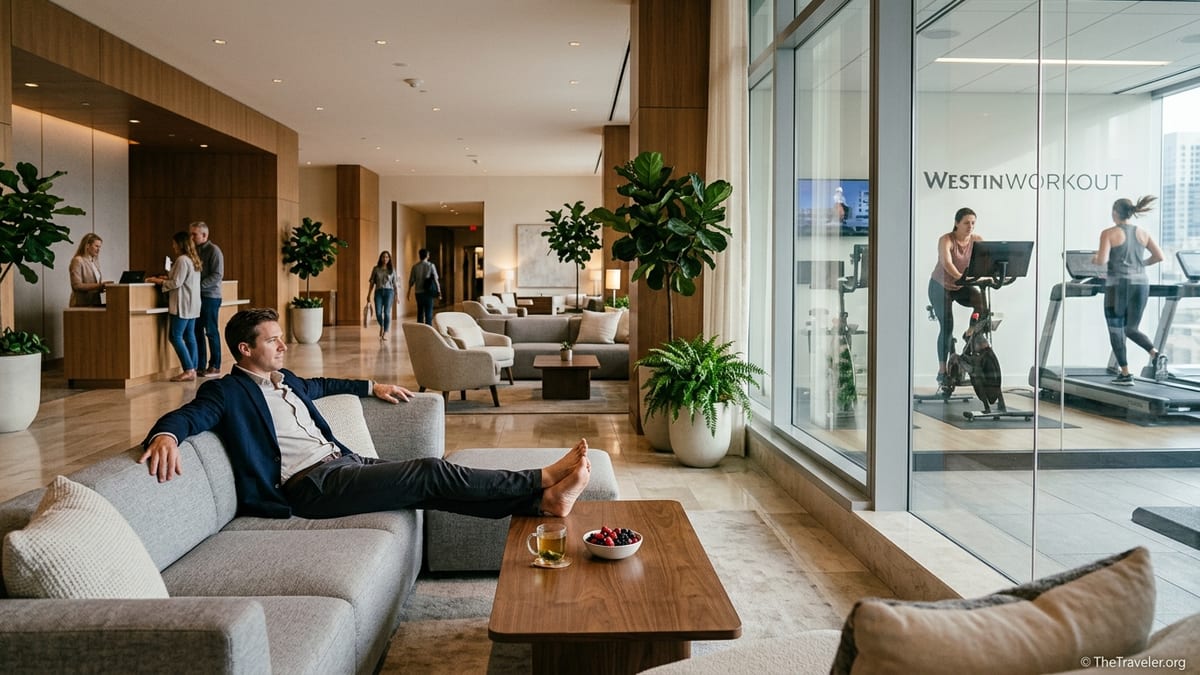
How Westin Turned Wellness Into Its Signature
Westin’s wellness story dates back to the late 1990s, when the brand began rethinking what a hotel stay should do for the body and mind. Instead of treating a comfortable bed or a good workout as a nice surprise, Westin started to design stays around specific pillars of well-being. Today, the brand talks about helping guests Sleep Well, Eat Well, Move Well, Feel Well, Work Well and Play Well, a framework that runs through everything from room design to restaurant menus and spa programming. That approach has helped Westin carve out a clear space in the crowded upscale hotel market as the chain where travelers who care about wellness can still keep their routines on the road.
Wellness at Westin is not limited to a handful of flagship resorts. In practice it shows up in airport hotels like The Westin Denver International Airport, in big-city properties such as The Westin New York at Times Square, and at destination resorts from Costa Rica to the Maldives. A guest arriving late from a transcontinental flight finds blackout shades, a purpose-built mattress, herbal teas and a sleep-focused in-room dining menu. A conference attendee can work out on a Peloton bike at 6 a.m., order a protein-forward breakfast bowl, and be in a meeting room by 8, all without leaving the hotel. Over time, this consistency has made wellness part of what frequent travelers now expect from the Westin name.
Importantly, Westin’s wellness positioning also aligns with a broader global trend. Research on wellness tourism in recent years has highlighted Westin as an early hotel brand to explicitly organize around well-being pillars rather than just spa offerings, which is one reason you will now see similar language about sleep, movement and nutrition from competing chains. Travelers who book Westin today are stepping into a concept that many rivals are still trying to catch up to, especially at the upper-upscale level.
The Heavenly Bed and the Art of Sleeping Well
For most guests, the Westin wellness journey begins with the bed. The Heavenly Bed, launched in 1999 and continually refined since, is arguably one of the most influential pieces of hotel design in recent decades. Rather than simply picking a generic commercial mattress, Westin worked with Simmons to create a plush pillow-top innerspring bed intended to deliver restorative sleep across a wide range of body types and sleeping styles. The current generation mattress is around 14 inches thick, combining individually wrapped coils with foam layers and a cushioned top that feels noticeably more luxurious than many standard hotel beds.
In 2024, Westin updated the Heavenly Bed with new materials, adding silver fibers woven into the mattress for antimicrobial and antibacterial properties and revising the pillows and bedding to use more breathable, hypoallergenic fills. Independent testers who have slept on the latest version at properties such as The Westin New York at Times Square describe a medium feel that particularly suits back sleepers and many side sleepers, with strong edge support that keeps you comfortable even when you sit on the side of the bed. Guests who fall in love with the experience can buy the same mattress and bedding through Westin’s retail channels, where a queen-size Heavenly Bed typically retails in the mid two thousand dollar range before delivery, directly reflecting the high-end specification.
Beyond the mattress itself, Westin builds the Sleep Well experience through details that matter on a jet-lagged night. Rooms are designed with heavy drapery and good sound insulation, and bedside lighting is usually warm and dimmable rather than bright white. Many properties offer a Sleep Well in-room dining menu, featuring dishes built around ingredients such as walnuts, turkey, chamomile and complex carbohydrates, intended to promote rest rather than spike your energy. It is not unusual to see options like grilled salmon with quinoa or whole-grain pasta with light sauce on late-night menus at Westin properties when other hotels might only offer burgers and fries.
For travelers wrestling with time zones, this emphasis on sleep can be transformative. A consultant flying from Los Angeles to Tokyo and checking into The Westin Tokyo, for example, can combine blackout curtains, a warm shower, herbal tea and a Sleep Well menu snack before bed to improve their chances of a solid first night’s rest. That kind of recovery is not only about feeling pampered; it directly affects alertness in next-day meetings or sightseeing.
Move Well: From Peloton Bikes to RunWESTIN
Westin’s fitness philosophy is to remove as many barriers as possible between a guest and a meaningful workout. WestinWORKOUT fitness studios are typically brighter, more spacious and more thoughtfully equipped than the generic gyms found in many business hotels. Cardio zones often feature treadmills, ellipticals and stationary bikes with individual screens, while strength-training areas include free weights, benches and functional training gear. Over the past several years, Westin has partnered with Peloton to bring Peloton Bikes into more than 50 properties in the United States, with some hotels, such as The Westin Los Angeles Airport and The Westin Chicago River North, dedicating entire guest rooms that include a Peloton bike in-room so guests can ride privately without visiting the gym.
For travelers who prefer bodyweight or suspension training, a number of WestinWORKOUT studios now include TRX stations and functional rigs. It is increasingly common to walk into a Westin gym and find high-quality mats, foam rollers and balance equipment alongside the usual machines, which makes it easier to keep up with rehabilitation exercises or yoga routines while away from home. In some larger city hotels, morning group classes or guided stretching sessions are offered in quiet studio spaces, especially on weekdays when business travelers dominate.
Outside the gym, Westin’s RunWESTIN program caters to runners and walkers who want to explore local neighborhoods at street level. Many properties provide printed or digital running route maps, usually outlining 3 to 5 kilometer loops that start at the hotel entrance and pass safe, well-lit streets or waterfront paths. In cities like Vancouver, Boston or Sydney, these routes might trace seawalls or park paths, while in resort locations they often hug the coastline. Some hotels coordinate group runs hosted by a Run Concierge who leads guests at an easy pace in the early morning, a feature that can be reassuring for solo travelers unfamiliar with the area. Guests who prefer to move indoors can use the cardio equipment while streaming virtual routes on built-in screens, blending safety with motivation.
The practical effect is that an accountant on a three-night trip to Dallas or a family attending a wedding in Maui can keep training for a 10K race or maintain a daily step goal without extensive planning. Movement becomes a natural part of the stay, not something that requires hunting for a nearby gym or facing crowded sidewalks after dark.
Eat Well: Menus Designed Around Nourishment
Westin’s Eat Well pillar is most visible on breakfast and all-day menus, where you will often see a SuperFoodsRx section or similar labels highlighting nutrient-dense dishes. Instead of relying primarily on pastries and processed meats, Westin breakfast buffets and à la carte offerings frequently include items such as egg-white omelets loaded with vegetables, yogurt parfaits with berries and nuts, steel-cut oatmeal with seeds and dried fruit, and fresh-pressed juices. At a typical city Westin in North America, a SuperFoods-style breakfast bowl with quinoa, avocado, poached egg and greens might be priced in the mid to high teens in local currency, roughly comparable to standard hotel breakfast dishes but with better nutritional value.
In-room dining menus continue the theme. Guests scanning the options late in the evening at properties like The Westin Denver Downtown or The Westin Seattle are likely to find clearly marked lighter dishes, including grilled fish, salads with whole grains, or vegetable-forward flatbreads. Some hotels also offer kids’ menus that mirror the wellness positioning, swapping out fried items for baked alternatives and including fruit or vegetables by default. For travelers managing conditions such as diabetes, gluten sensitivity or high blood pressure, the combination of clear labeling and healthier default choices can make a several-day stay noticeably easier.
Several resort properties lean even more heavily into culinary wellness. At The Westin Reserva Conchal in Costa Rica, for example, restaurant menus mix classic resort favorites with dishes that showcase local seafood, tropical fruits and plant-forward options, giving guests ways to indulge without abandoning their usual eating habits. Smoothie bars with add-ons like chia seeds, spinach and plant-based protein are now common at many tropical Westins, especially near pool areas where guests might otherwise graze only on fries and burgers.
These food and beverage choices do not turn Westin into a strict spa retreat; you can still order a club sandwich or a cocktail at most bars. The difference is that the menu makes it easy to choose better fuel if you want it, whether you are heading to a morning board session or preparing for a long hike after breakfast.
Feel Well: Spa Rituals, Scent and Stress Relief
Wellness at Westin is not just about muscles and metabolism. The Feel Well pillar focuses on emotional balance, stress reduction and small rituals that help guests transition out of daily life. One of the most immediately recognizable elements is the White Tea scent that perfumes many Westin lobbies. The fragrance, lightly floral and clean, is meant to signal a shift into a calmer space the moment you walk through the doors. For frequent guests, that smell has become almost as synonymous with the brand as the Heavenly Bed itself.
Many Westin properties feature full-service spas that extend the wellness narrative with massages, facials and body therapies rooted in local traditions. At oceanfront resorts, for example, signature treatments might include sea-salt scrubs, aloe wraps for sun-exposed skin or hot-stone massages using locally sourced stones. A guest at a beachside Westin in the Caribbean might book a 50-minute deep-tissue massage in the late afternoon, then retreat to a relaxation lounge with herbal tea before watching the sunset, turning a regular vacation day into a restorative ritual.
In-room, Westin encourages small habits that support mental well-being. Many hotels place lavender balm or calming pillow sprays on the bedside table, along with cards suggesting simple breathing exercises or stretches to do before sleep. Some properties offer guided meditation or mindfulness content through the in-room television system or hotel app, allowing guests to unwind without downloading additional services. These touches are subtle but they matter at the end of a long day of travel or meetings, when the temptation to scroll email or social media can easily eat into rest time.
The brand’s event and meetings business also reflects this attention to how people feel. Conference planners booking multi-day events at Westin hotels can often choose wellness breaks that feature chair yoga, short guided walks or nutrition-focused snack stations in place of purely sugary treats. Delegates who might otherwise slump by mid-afternoon benefit from better blood sugar balance and simple movement, which in turn leaves them with a more positive impression of both the hotel and the event.
Wellness Across Different Types of Westin Properties
One of the distinctive features of Westin’s approach is how it adapts wellness standards to very different property types. In dense urban centers, such as The Westin London City or The Westin Hamburg, wellness sometimes shows up in vertical form, with multi-level gyms, compact but well-equipped guest rooms and spa areas that make full use of city views. In these hotels, guests might balance days of museum visits or client meetings with evening laps in an indoor pool or a twilight sauna session overlooking the skyline.
Resort properties, on the other hand, often integrate wellness with the surrounding landscape. At a golf resort in the American South or a beach retreat in Southeast Asia, guests can expect outdoor yoga decks, nature trails beginning at the hotel grounds and water-sport centers that encourage active play. A family staying at a Westin resort in Mexico, for instance, might spend the morning snorkeling, the afternoon at a kids’ club that offers craft activities and supervised games, and the early evening at a family-friendly stretch class on the lawn. Parents still find time for a strength session in the gym or a couples massage, while children burn energy in structured, screen-light environments.
Airport-connected Westins and convention hotels tilt the wellness mix toward recovery and productivity. The Westin Denver International Airport, connected directly to the terminal, is designed for travelers who need restorative sleep on overnight layovers or long weather delays. Here, the Heavenly Bed, noise-insulating windows and Sleep Well amenities carry even more weight, while the fitness center gives jet-lagged guests a chance to reset their body clocks. Large convention Westins, such as those attached to major conference centers in North America and Asia, emphasize well-designed meeting spaces with natural light, breakout zones for movement and menus that keep delegates fueled rather than sluggish.
Across all of these formats, the throughline is that Westin treats wellness as a baseline expectation, not a premium upsell available only at flagship addresses. While execution can vary with property age and ownership, the brand standards around bedding, fitness and food mean that a traveler who chooses Westin in Shanghai, Chicago or Dubai can generally assume a recognizable level of wellness support.
The Business of Wellness: Why It Matters to Travelers
Westin’s decision to lean into wellness is not purely ideological. As global interest in health, fitness and mental well-being has grown, wellness tourism has become one of the fastest-expanding segments of travel. By building a recognizable, wellness-first identity, Westin attracts guests who might otherwise book independent boutique hotels or traditional spa resorts. For frequent corporate travelers, the brand’s positioning also makes it easier to justify a Westin stay within company travel policies because wellness features are embedded in standard room rates rather than added as expensive extras.
From a practical traveler perspective, this business strategy works when it translates to reliable experiences at the property level. Examples include WestinWORKOUT studios that open early and stay open late without extra fees, or the Gear Lending program that allows guests to borrow workout clothes and shoes for a modest charge instead of skipping exercise because their gear did not fit in a carry-on. For someone on a three-city business trip, knowing that every Westin on the itinerary will have quality cardio machines, a usable strength area and health-conscious menu options can simplify packing and planning.
The wellness focus also shows up in branding details that may seem small but have real effects. The calming lobby scent, warm-toned lighting, generous use of plants and wood finishes, and spa-style bathrooms signal to guests that rest and rejuvenation are valued outcomes. That can encourage business travelers, who often feel pressure to work late, to draw better boundaries between laptop time and sleep, simply because the room itself is nudging them toward a healthier rhythm.
Of course, not every Westin execution is flawless, and guests sometimes report dated gyms or inconsistent bedding at older properties. Yet the overall pattern remains distinctive enough that many travelers develop a preference for Westin within the Marriott Bonvoy portfolio specifically because they sleep and feel better there. Over multiple trips, that can make a measurable difference in productivity, mood and enjoyment of travel.
The Takeaway
At its best, the Westin experience feels like a quiet vote in favor of how you want to feel during and after a trip. The Heavenly Bed is a literal centerpiece, but the real story lies in the surrounding ecosystem of thoughtful details: menus that make it easy to eat well without overthinking, fitness spaces and running programs that keep movement convenient, spa rituals and scents that dial down stress, and meeting and event options that prioritize attendee well-being alongside logistics.
For travelers choosing where to stay in a world of seemingly interchangeable upscale hotels, Westin’s wellness focus offers a meaningful differentiator. Whether you are a road warrior trying to preserve your marathon training, a parent hoping the family comes home from vacation more rested than when you left, or a leisure traveler who simply wants to arrive back at work feeling human, Westin’s wellness-centered design can be a practical ally. It may not turn every business trip into a retreat, but it can make the difference between arriving home depleted and returning with enough energy to start planning the next journey.
FAQ
Q1. What makes Westin different from other hotel brands when it comes to wellness?
Westin designs its entire guest experience around specific pillars of well-being such as Sleep Well, Eat Well and Move Well, which means features like the Heavenly Bed, well-equipped fitness studios and healthier menu options are standard rather than optional extras. While other brands may offer spas or gyms, Westin’s focus on wellness influences everything from room design to meeting breaks, creating a more consistently health-supportive stay.
Q2. Are all Westin hotels equipped with the Heavenly Bed?
The Heavenly Bed is a core brand standard, and the vast majority of Westin hotels feature some version of it in their guest rooms, including newer iterations that use updated materials and bedding. At older or recently converted properties, there can occasionally be a transition period while rooms are refreshed, but for most guests booking a Westin stay today, the expectation of a Heavenly Bed is reasonable.
Q3. Can I buy the same Heavenly Bed I sleep on at a Westin hotel?
Yes. Westin sells the Heavenly Bed, along with its pillows, sheets and duvets, through its retail channels so guests can recreate the sleep experience at home. Prices vary by size, but a queen mattress typically falls into the premium range, reflecting the hotel-level construction; shipping and delivery are usually added as separate flat fees.
Q4. What kind of fitness facilities can I expect at a typical Westin?
Most Westin hotels offer a WestinWORKOUT fitness studio with a mix of cardio machines such as treadmills, ellipticals and bikes, along with free weights and functional training space. Many newer or renovated properties include Peloton Bikes or similar connected cardio options, and some even offer dedicated guest rooms with in-room fitness equipment, making it easier to maintain training routines on the road.
Q5. Does Westin offer healthy food options for guests with dietary needs?
Across the brand, Westin menus usually highlight nutrient-dense dishes under labels such as SuperFoods-inspired offerings, and many properties clearly mark vegetarian, vegan and gluten-sensitive options. Breakfast buffets commonly include items like yogurt, fresh fruit, whole grains and egg dishes with vegetables, while all-day menus feature salads, grilled proteins and lighter entrées alongside traditional comfort foods.
Q6. What is the RunWESTIN program and how does it work?
RunWESTIN is a program that supports guests who want to run or walk outdoors by providing maps of local routes that start and end at the hotel, typically in several distances. At some locations a Run Concierge or staff member leads scheduled group runs, giving guests a safe, social way to explore the surrounding neighborhood or waterfront while getting their daily movement.
Q7. Are Westin’s wellness features available at airport and city hotels, or only at resorts?
Westin applies its wellness philosophy across all property types, so you will find Heavenly Beds, fitness studios and health-minded menu options at city hotels, airport properties and resorts alike. Resort locations may add more extensive spa facilities and outdoor activities, while urban and airport Westins usually emphasize recovery from travel with strong sleep environments and efficient fitness spaces.
Q8. How does Westin support travelers dealing with jet lag?
Westin helps jet-lagged guests primarily through sleep-focused room design, including comfortable mattresses, blackout curtains and quiet environments, as well as menu items that avoid heavy, overly rich foods late at night. Access to fitness facilities makes it easier to move and reset the body clock, while small touches like herbal teas, calming scents and, in some cases, guided relaxation content can support more restorative rest.
Q9. Do Westin spas follow a specific wellness philosophy?
While each spa reflects its local culture and setting, Westin spas generally emphasize treatments that reduce stress, relieve muscle tension and encourage overall balance rather than purely cosmetic services. Guests can usually choose from massages, body scrubs, facials and ritual-style experiences that incorporate regional ingredients, aligning with the brand’s broader goal of leaving travelers feeling better than when they arrived.
Q10. Is staying at a Westin significantly more expensive because of the wellness focus?
Westin typically sits in the upper-upscale category of hotel pricing, so rates are often higher than limited-service or midscale brands but similar to many full-service competitors in the same markets. The difference is that wellness features such as high-quality beds, well-equipped gyms and healthier menu options are built into the standard experience, reducing the need to pay extra for day passes to external gyms or specialty spa-oriented properties to access similar benefits.