


More news on this day
High end sports tourism in the United States is entering a new phase as luxury travel demand converges with the prestige of the Masters Tournament in Augusta, where ultra exclusive golf packages, private villas and VIP hospitality programs are reshaping how affluent travelers experience one of golf’s most storied weeks.
Get the latest news straight to your inbox!
Luxury Travel Spending Climbs Across the United States
Industry data shows that luxury travel spending in the United States is expanding steadily, supported by rising wealth among high net worth households and a shift toward experiential purchases such as sports and cultural events. Recent market research values the U.S. luxury travel segment in the mid tens of billions of dollars in 2024, with forecasts indicating mid single digit annual growth through the next decade as affluent consumers prioritize tailored, memory rich itineraries built around marquee occasions.
Reports indicate that this growth is being fueled by both individual leisure travelers and corporate clients, who are using premium trips as a platform for client entertainment, deal making and executive incentives. Analysts note that major sporting events with defined annual calendars, including golf majors, have become especially attractive for planners seeking predictable, high impact experiences in the United States without the added complexity of international logistics.
Within this environment, the Masters Tournament at Augusta National Golf Club is emerging as one of the most in demand anchors for luxury itineraries. Travel specialists describe the event as a focal point for top tier clients, comparable to the Super Bowl and Formula 1 races in its ability to draw private jet traffic, premium lodging demand and multi day hosting programs built around a single, highly recognizable brand.
Masters Week Becomes a Flagship for VIP Sports Tourism
The Masters, held each April at Augusta National in Georgia, has always carried an aura of exclusivity due to its limited general access and the enduring prestige of the course. In recent seasons, that mystique has increasingly translated into highly structured travel offers that package tournament badges with upscale lodging, hospitality access and regional golf. The result is a rapidly professionalizing market for Masters week itineraries that sits at the top end of U.S. sports tourism.
Publicly available information from golf tour operators highlights how these packages are evolving. Multi night Augusta programs now routinely feature four to seven nights in premium hotels or private homes, daily round trip transfers to Augusta National, curated tee times at private clubs across Georgia and South Carolina, and pre arranged dining at sought after restaurants. Some providers also promote add on stays at destinations such as Pinehurst, Kiawah Island or coastal Florida, effectively turning a four day tournament into an extended luxury golf vacation.
The scale of spending is significant. Coverage of official and unofficial hospitality offerings indicates that top tier Masters week programs for small groups can reach into the low to mid six figures, particularly when private home rentals, chauffeured transport, in house catering and rounds at neighboring private clubs are bundled together. At Augusta Regional Airport, reports of runways lined with private jets during Masters week underscore how concentrated this high value travel segment has become.
From Badges to Berckmans: Hospitality Arms Race in Augusta
The core product for any Masters trip remains access to the tournament itself, but hospitality options around that ticket have expanded notably. According to recent coverage of Augusta National’s official programs, the club now promotes Map & Flag, a high spec off course hospitality experience, alongside the long established Berckmans Place, which offers dining, viewing areas and replica greens for a restricted number of guests. These official venues sit at the pinnacle of the hospitality pyramid, typically reserved for corporate partners and select invitees.
Beyond the gates, independent hospitality houses and purpose built lounges have become a defining feature of Masters week in and around Augusta. Travel providers advertise all inclusive venues within a short drive of the course that combine chef prepared meals, open bars, entertainment, concierge services and shuttle transportation with on site branding for corporate groups. Some operators pitch these spaces as “turnkey” corporate environments where brands can host clients in a controlled setting before and after time on the course.
Local real estate also plays an outsized role in the hospitality ecosystem. Accounts from Augusta residents indicate that high end homes are routinely rented out as corporate bases or shared villas during the tournament, with nightly rates well above standard market pricing. In some cases, property rentals are paired with access to badges and private chefs, effectively transforming residential neighborhoods into temporary luxury enclaves catering almost exclusively to visiting golf patrons.
Private Jets, Tailored Itineraries and Corporate Demand
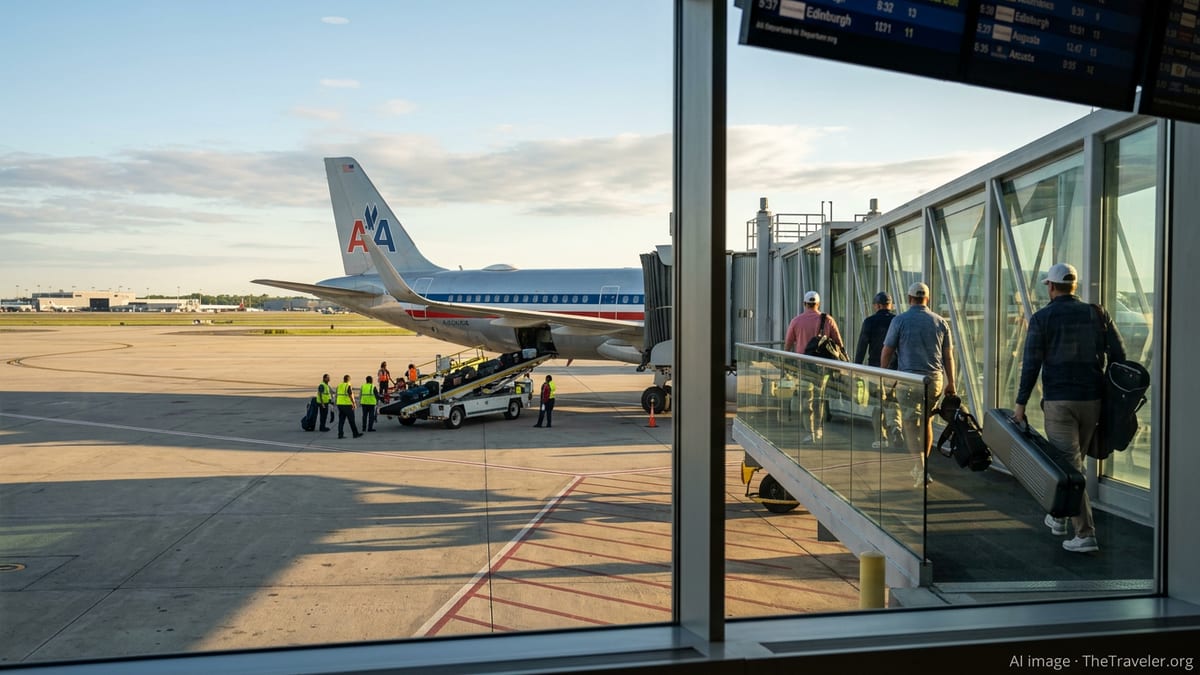
One of the more visible signs of the Masters’ pull on luxury travelers is the surge in private aviation during tournament week. Aviation tracking and local reporting consistently highlight spikes in private jet movements into Augusta and nearby airports as companies and wealthy individuals converge on the region. For many travelers at this level, the flight itself is simply the first element in a tightly choreographed experience.
Sports travel firms increasingly present Augusta as a canvas for highly customized itineraries. Sample programs marketed for 2025 and 2026 include options such as practice round and championship round combinations, behind the scenes style hospitality lounges, and split itineraries where part of a group attends tournament play while others focus on regional golf and leisure. Providers also emphasize the ability to tailor packages around specific corporate objectives, from relationship building with small client groups to larger incentive trips with multiple hospitality touchpoints.
Corporate buyers appear to be central to this demand. Industry commentary points to hundreds of firms using Masters week as a setting for executive meetings and client entertainment, often booking hospitality weeks or months in advance through specialist agencies. For these organizations, the costs associated with premium access, branding and logistics are framed as part of broader marketing and relationship strategies rather than discretionary leisure spending.
Economic Ripple Effects and Future Outlook
The rise of luxury oriented Masters travel has visible ripple effects across the Augusta region and the broader Southeast. Hotel prices across a wide radius of Augusta climb sharply during tournament week, and even budget properties report elevated rates and full occupancy. Short term rental activity increases as residents take advantage of demand, with some households choosing to vacate for the week in order to lease their homes to visiting groups.
Restaurants, transportation services and nearby golf facilities also benefit from the influx of high spending visitors. Reports from tourism operators describe extended hours, special menus and additional staffing, as well as a secondary wave of travel to other golf destinations before or after Augusta. This pattern aligns with broader trends in U.S. luxury travel, where affluent travelers seek multi stop itineraries that cluster several bucket list experiences into a single trip.
Looking ahead, analysts expect demand for top tier Masters packages to remain strong as long as the broader luxury travel market in the United States continues to expand. The fixed capacity of Augusta National and the strict control of official access are likely to preserve the scarcity that underpins pricing power for both the club’s hospitality programs and independent travel firms. At the same time, competition among providers may continue to push innovation in amenities, from enhanced wellness offerings and family friendly configurations to more sustainable operations designed to appeal to a new generation of high net worth travelers.