


More news on this day
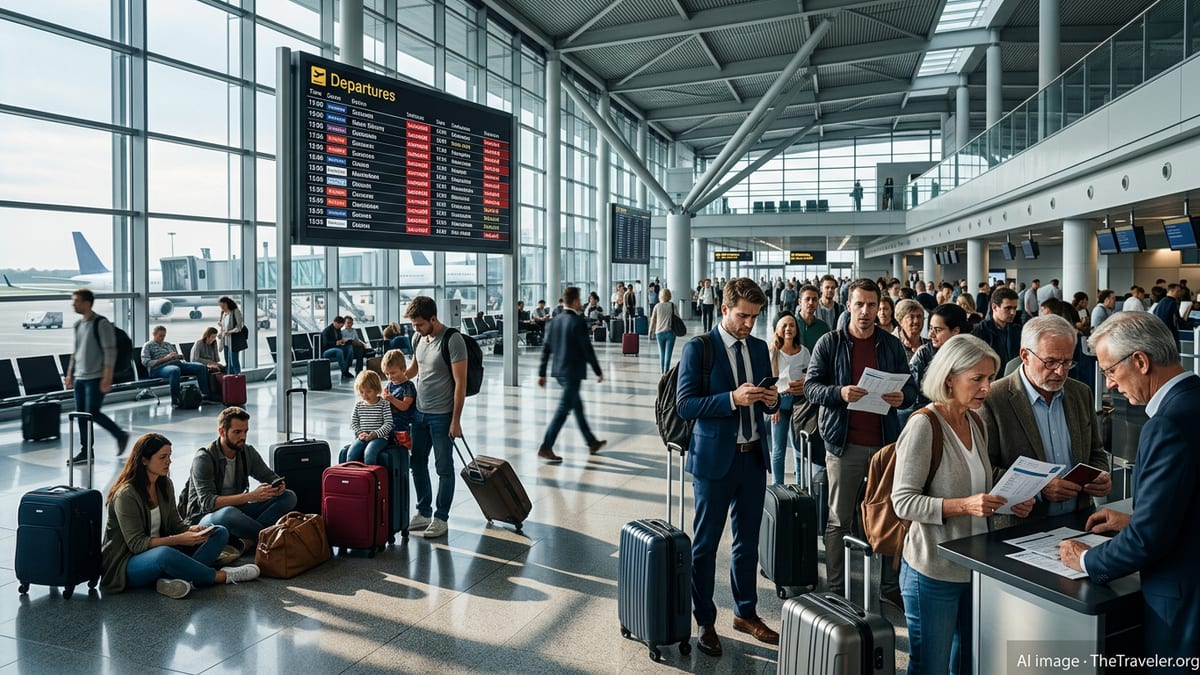
Thousands of passengers across Canada and abroad have been left in travel limbo after WestJet flight attendants walked off the job, triggering widespread cancellations and delays during one of the busiest weekends of the summer.
Get the latest news straight to your inbox!
Strike hits at peak summer travel
The work stoppage by flight attendants at WestJet, Canada’s second-largest airline, began in the early hours of August 2 after months of contract talks between the carrier and the union representing roughly 4,400 cabin crew failed to produce an agreement. Publicly available information shows that the dispute centers on pay, scheduling and unpaid duties on the ground, echoing issues raised in other recent airline labour conflicts in Canada.
The timing has magnified the disruption. The walkout followed a 72-hour strike notice issued ahead of the August long weekend, a peak period for domestic and transatlantic travel. To avoid having aircraft and crew stranded overseas, WestJet had already begun preemptively suspending portions of its 737 and 787 operations, reducing capacity before the deadline even passed.
According to published coverage from Canadian and international outlets, hundreds of flights were ultimately canceled or significantly delayed over the weekend. The knock-on effects spread beyond Canada’s major hubs to regional airports and international destinations served by WestJet’s long-haul network.
Travellers stranded and itineraries upended
As the strike took hold, social media posts and online travel forums filled with accounts of passengers stranded mid-journey or unable to begin long-planned trips. Reports indicate that some travelers found themselves stuck overnight in Calgary and other hubs after onward connections were canceled with little notice, while others described vacations to Europe effectively collapsing as replacement flights proved scarce at the height of the summer rush.
WestJet has stated publicly that it is working to rebook affected customers on the next available services, including on other airlines where possible. However, passengers posting online describe long waits for assistance at airport counters and on call centers as demand for help surged. Some travelers reported receiving generic disruption emails saying that new itineraries were still being sought, leaving them unsure whether to make their own arrangements at additional cost.
The uncertainty has been most acute for those already away from home or at smaller airports with limited alternative service. With hotel rooms and short-term rentals in some cities heavily booked for the holiday weekend, travelers caught in transit have described difficulty finding somewhere to stay while they wait for clarity on new flights.
Tentative agreement reached but chaos lingers
On August 3, after roughly a day of full strike action and several days of rolling schedule cuts, WestJet and the Canadian Union of Public Employees announced that they had reached a tentative agreement. According to reporting from major news agencies, the deal paves the way for flight attendants to return to work while members vote on the terms.
Despite the breakthrough, the airline’s schedule is expected to remain fragile for several days. Restoring aircraft and crew rotations after a period of widespread cancellations typically takes time, and not all stranded travelers will be able to secure immediate seats even as flights resume. Industry experience from previous labour disruptions suggests that operational recovery can lag well behind the formal end of a strike.
Travel industry analysts note that the episode highlights how dependent Canada’s air network has become on a small number of large carriers. When one of those players suffers a major disruption, the limited spare capacity across the system means passengers often have few quick alternatives, particularly on long-haul and leisure routes.
Labour pressures building across aviation
The WestJet stoppage is the latest in a series of labour disputes affecting North American airlines as the industry emerges from the pandemic with strong demand but persistent staffing and cost pressures. Publicly available union and regulatory documents point to long-running concerns over stagnant wages, increased workloads and the amount of unpaid time that cabin crew spend on tasks such as boarding and ground preparations.
In Canada, those tensions were already evident in 2025 when Air Canada flight attendants staged a multi-day strike that disrupted travel for more than 100,000 people, according to widely cited estimates. Observers say that experience may have shaped how WestJet and its workers approached their own negotiations, with both sides aware of the public and political scrutiny that can follow extended shutdowns.
Broader wage growth, inflation and changing expectations about work-life balance have also fed into airline bargaining rounds worldwide. At the same time, carriers argue that they face higher costs and competitive pressure from low-cost rivals, limiting their flexibility at the negotiating table. The result has been a pattern of last-minute deals or short, sharp strikes that nonetheless cause outsized inconvenience for passengers.
What affected passengers can expect next
For travelers still caught up in the fallout, consumer advocates stress the importance of understanding basic air passenger rights. In Canada, federal regulations set out compensation and rebooking obligations when flights are canceled or significantly delayed for reasons within an airline’s control, although the exact entitlements can vary by circumstance, length of delay and whether the flight is domestic or international.
Published guidance from regulators and legal experts indicates that when an airline cancels a flight for operational or staffing reasons, affected customers may be entitled to either a full refund or rebooking at the earliest opportunity, including on competing carriers if necessary. Additional cash compensation may apply in some cases of last-minute disruption, though travelers often need to submit claims and may face disputes over how the airline classifies the cause.
Travel specialists say passengers should keep detailed records of communications, receipts for extra expenses such as meals and accommodation, and screenshots of flight status updates in case they need to pursue claims later. Those with upcoming WestJet trips over the next several days are also being advised to monitor their bookings closely, check flight status frequently and allow extra time at the airport as operations gradually normalize.
While the tentative agreement offers a path out of the immediate crisis, the experience has underscored the vulnerability of peak-season travel plans to sudden labour disputes. For many passengers whose holidays, family visits or business trips have already been derailed, the priority now is simply finding a way to reach their destinations, even as the industry debates how to prevent similar breakdowns in the future.