


The Fairyland Loop Trail in Bryce Canyon National Park is one of the park’s most rewarding hikes: an 8 mile backcountry-feeling loop through orange and white hoodoos, long ridgelines and quiet side canyons. It is also one of the most misunderstood. Many visitors arrive thinking it will be a longer version of the popular Queen’s Garden and Navajo trails, only to be surprised by the sustained climbs, lack of shade and total absence of water. If you are planning to take on Fairyland Loop, understanding what past hikers wish they had known can make the difference between a hard but memorable day and a miserable slog out of the canyon in the afternoon heat.
Get the latest updates straight to your inbox!
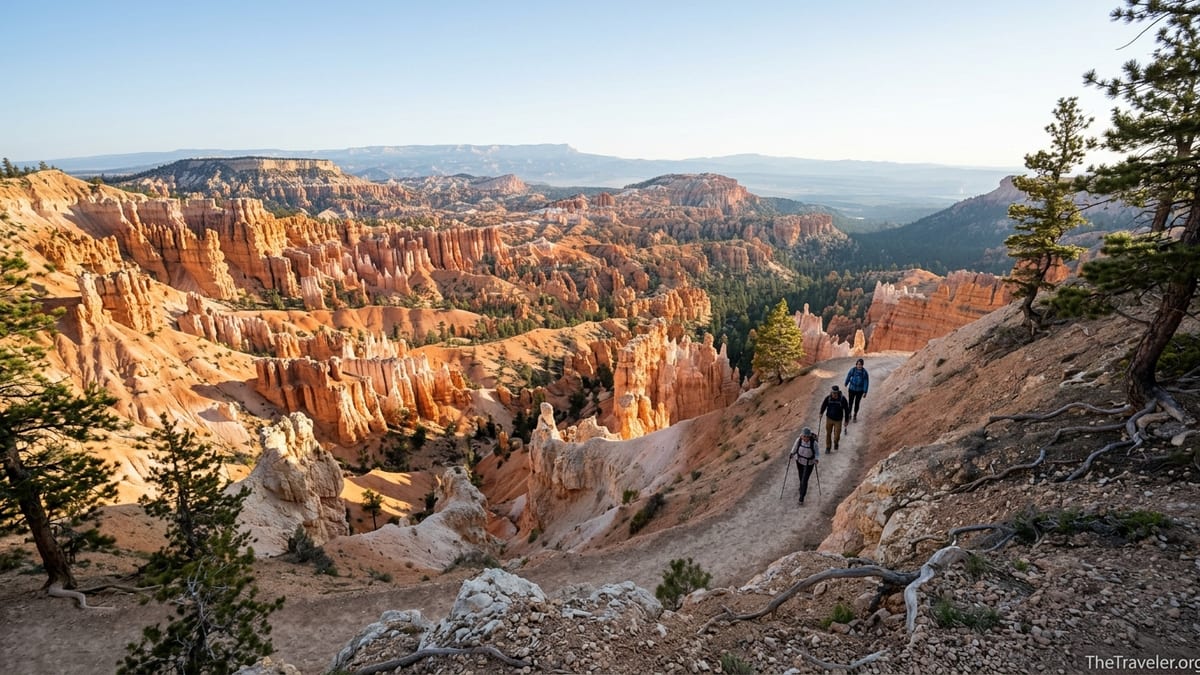
Fairyland Loop Is Harder Than It Looks On The Map
On paper, Fairyland Loop is “just” about 8 miles, with roughly 900 to 1,500 feet of total elevation gain depending on how you track it. The National Park Service labels it a strenuous hike, and visitors regularly report it feeling significantly tougher than the mileage suggests. The challenge is not one huge climb, but many rolling ups and downs that add up over four to five hours. If your main reference point is the 2.9 mile Queen’s Garden and Navajo combination, expect Fairyland to feel like doing that kind of climb and descent multiple times in a row.
Elevation and altitude also catch people off guard. Much of the loop sits between roughly 7,300 and 8,000 feet above sea level, which is noticeably higher than Zion or Arches for travelers coming from sea level. Hikers who are fit at home often find themselves breathing harder on the long grade out of Fairyland Canyon, especially in the last mile as the trail climbs back to the rim. If you know you are sensitive to altitude, give yourself extra time, start very early and plan more snack and water breaks than you would for a similar distance at lower elevation.
Real-world experiences make the difficulty clear. Trip reports from runners who do half marathons on pavement describe taking four to five hours to complete the loop, stopping frequently on the final ascent. Even strong day hikers who typically average three miles per hour often slow to around two miles per hour here. If your Bryce itinerary includes other big hikes such as the Peekaboo Loop or a Queen’s Garden and Navajo combination, do not plan all of them on the same day unless you are very conditioned and used to back-to-back elevation days.
All of this does not mean Fairyland Loop is only for experts. It does mean you should treat it like a real mountain hike rather than a casual stroll between viewpoints. If you are unsure about your stamina, consider hiking the out and back section to Tower Bridge first, which covers the southern third of the loop at about 3 miles round trip, then decide if you want to return another day for the full circuit.
Trailheads, Parking And The Shuttle Confuse First-Timers
One of the biggest surprises for visitors is how easy it is to get turned around on logistics before you ever set foot on the trail. Fairyland Loop can be started at either Fairyland Point or from the Rim Trail just north of Sunrise Point at the signed Tower Bridge and Fairyland junction. Fairyland Point sits at the end of a side road between the park entrance station and the main visitor center, and many people simply drive past that turnoff without realizing they have gone by the trailhead.
Unlike Bryce Point, Sunrise or Sunset, Fairyland Point is not served by the park shuttle. If you start and end your hike there, you must have your own vehicle parked at the trailhead. Hikers who mistakenly expect a shuttle pick up sometimes find themselves trudging extra road miles at the end of an already long day. If you do not have a car or prefer to use the shuttle, the more reliable option is to begin near Sunrise Point. You can leave your vehicle at the main lot by the General Store or lodge area, walk north along the Rim Trail for a short distance to the Tower Bridge and Fairyland junction, and complete the loop back to that same junction.
The loop itself can be hiked in either direction. Many experienced hikers prefer a counterclockwise direction starting at Fairyland Point: descending into Fairyland Canyon first, traversing past the China Wall and Tower Bridge, then climbing back toward the rim near Sunrise. Others like to start near Sunrise Point and go clockwise so that the steepest, longest climb comes earlier in the cooler morning hours. The key is to pick a direction that matches your energy patterns and to mark in your mind where you will regain the rim so you are not surprised by one last uphill stretch.
Parking fills quickly during the peak season from late spring through early fall. In June and July it is common to see Fairyland Point’s small lot full by mid morning. If you are traveling in a standard rental car, aim to arrive before 7:30 a.m. to secure a spot and to avoid the busiest heat. If the Fairyland Point lot is full, do not park along the access road; instead, use the larger lots near Sunrise or Sunset and start your loop from the Rim Trail junction.
There Is No Water On The Trail And Shade Is Scarce
Fairyland Loop has no water sources and no reliable shade. This is the detail most past visitors say they wish they had understood in more concrete terms. The route dips into open amphitheaters and follows exposed ridgelines where you are fully in the sun for long stretches. In summer, afternoon temperatures at Bryce may only be in the 80s Fahrenheit on the weather forecast, but the sun at 8,000 feet feels far more intense. The pale rock reflects heat and light and can leave even seasoned desert hikers feeling drained.
Plan to carry all the water you will need from the start. For most people this means at least three liters per person, and more if you are hiking in late June through August. A common mistake is to bring a single 1 liter bottle, assuming you can refill at some midpoint. There are seasonal water fill stations at the General Store near Sunrise Point and at Sunset Point, but once you leave the rim there are no taps, creeks or fountains along the loop. Hydration bladders such as those by Osprey or CamelBak make it easier to sip steadily without stopping, but you can also carry multiple reusable bottles and stash one in a daypack side pocket for quick access.
Sun protection is equally important. Wide brimmed hats, UV rated sunglasses and high SPF sunscreen are more than comfort items here. Many visitors underestimate how much sun they will get because the morning air can feel cool and crisp, especially in shoulder seasons like May or September. A common real world scenario is a hiker starting at 8 a.m. in a light fleece, removing it after the first descent, and then realizing by midday that the backs of their legs and neck are burned. Lightweight long sleeve sun shirts and breathable hiking pants or capris are a good option if you tend to burn easily.
If you are traveling with kids or anyone who is heat sensitive, think carefully before attempting the full loop in midsummer. An early start, such as hitting the trail around sunrise, can keep most of your miles in cooler temperatures and softer light. If your only available hiking window is from late morning into the afternoon, consider choosing a shorter route like the Queen’s Garden and Navajo combination, which offers more options to cut the hike short and return to the rim quickly if the heat becomes too much.
Weather, Seasons And Trail Conditions Change The Experience
Fairyland Loop is typically accessible most of the year, but the character of the hike changes dramatically by season. In late spring and summer the primary concerns are heat, sun exposure and afternoon thunderstorms. Monsoon storms in July and August can bring sudden lightning, heavy rain and even small hail. Although Fairyland Loop is not a slot canyon, the exposed ridgelines and open amphitheaters make you vulnerable in a lightning storm. If clouds build and thunder begins, the safest choice is often to turn around and head for the rim rather than trying to push through the full loop.
In fall and winter, snow and ice become more likely. Bryce Canyon often sits under a blanket of snow from late fall into early spring, and while the park keeps main roads plowed, trail conditions can be slick. In these months, traction devices that slip over your boots and trekking poles with snow baskets can transform a risky hike into a manageable outing. The tradeoff is that some sections may be officially closed or not recommended if conditions deteriorate, and daylight hours are shorter, which matters a lot on a four to five hour route.
Spring can be a shoulder season with mixed conditions. Late March and April might still bring icy mornings, while afternoons warm enough to melt trail sections into slush. Visitors who hike in running shoes sometimes regret not bringing waterproof hiking boots when they encounter patches of snow or muddy inclines in shaded pockets of the canyon. Checking trail reports on the Bryce Canyon ranger pages or in person at the visitor center the day before you hike is the surest way to match your expectations with reality.
Regardless of season, temperatures swing quickly at Bryce. It is not unusual in early June for morning lows near freezing to rise into the 70s Fahrenheit by afternoon. Layering is key: a light insulating layer for chilly rim breezes, a wind resistant shell if forecasts hint at gusts, and breathable base layers you can hike in comfortably once you warm up. Avoid heavy cotton hoodies and jeans, which tend to stay damp and uncomfortable if you sweat or encounter passing rain showers.
Navigation Is Straightforward But The Loop Feels Remote
Another common misconception is that Fairyland Loop will feel as busy and built up as the main Bryce Amphitheater trails. In reality it has a more backcountry feel, even though it remains a signed and maintained path. Wayfinding itself is not complicated: junctions are clearly marked where the loop connects to the Rim Trail and at the spur to Tower Bridge. However, once you drop away from the rim you can easily go 15 to 30 minutes without seeing another person, especially if you start early or visit outside of peak summer.
This sense of solitude is one of the trail’s great rewards but also something to be prepared for. There are no benches, shelters or restrooms once you leave the trailhead. The only toilets are at Fairyland Point and up on the rim near Sunrise and Sunset. If you are used to popular national park trails where rangers and other hikers are always in sight, it may feel unnerving to be alone among hoodoos with no obvious exit in view. Carrying a basic first aid kit, a charged phone and an offline map downloaded to an app like Gaia GPS or AllTrails gives many hikers extra peace of mind.
The remoteness can also amplify small issues. A minor ankle twist or a growing blister is easier to ignore when you think you can bail out quickly, but on Fairyland Loop you are often committed to a long gradual climb out regardless of direction. Hikers who wear lightweight trail runners or sneakers sometimes wish they had chosen more supportive footwear once the rolling terrain and loose gravel sections start to tire their feet. Mid height hiking boots or sturdy low cut hiking shoes with good tread are ideal for most visitors, particularly those not accustomed to long descents and climbs on uneven surfaces.
Wildlife sightings are possible but usually limited to birds, squirrels and the occasional mule deer. The park is home to larger animals such as pronghorn and elk, but you are more likely to spot them at dawn and dusk from the road or viewpoints than from this specific trail. As always, keep your distance, secure your food and follow Leave No Trace principles even when the landscape feels like your own private amphitheater.
How Fairyland Compares To Other Bryce Canyon Hikes
Visitors often wonder whether to prioritize Fairyland Loop or the classic circuit that links Queen’s Garden, Navajo and sometimes Peekaboo. The answer depends on what you value most. The amphitheater routes around Sunrise and Sunset Points deliver Bryce’s densest clusters of hoodoos, tight switchbacks like Wall Street when open, and the feeling of walking through a stone cathedral. They are also far more crowded, with tour buses and day trippers streaming down the main corridors by mid morning.
Fairyland Loop trades some of that concentrated spectacle for spacious vistas and quiet. Instead of being surrounded by hundreds of close set spires, you traverse slopes and ridges with sweeping views of formations like Boat Mesa, the Sinking Ship and the China Wall. Many experienced hikers say that if they had only one full day at Bryce and enjoy solitude and longer walks, they would choose Fairyland. Travelers with limited time or younger children often prefer the shorter amphitheater loops, where you can turn back early without committing to the full distance.
There is also a middle ground: some itineraries pair Fairyland with shorter rim walks or overlooks rather than additional intense hikes. For example, one common one day Bryce plan is to hike Fairyland in the morning, rest in the afternoon, then drive the park road to viewpoints like Natural Bridge and Rainbow Point for sunset. Trying to combine Fairyland with a full Figure 8 style loop that links Queen’s Garden, Navajo and Peekaboo in a single day is generally better suited to very fit hikers who are already comfortable with high mileage and elevation gain.
If you are staying two nights or more, it can be rewarding to hike Fairyland on your first full day and then spend the second exploring shorter routes and overlooks. This lets you experience both the quieter, more expansive side of Bryce and the iconic amphitheater sections that appear in most postcards and guidebooks.
Practical Gear And Safety Tips That Locals Swear By
Beyond the obvious essentials like sturdy footwear, water and sun protection, a few small items can greatly improve your day on Fairyland Loop. Trekking poles are at the top of that list. The trail’s rolling profile means repeated down and up segments on loose dirt and gravel. Collapsible poles, such as lightweight aluminum models from brands like Black Diamond or REI Co op, reduce strain on knees during descents and provide extra balance on side slopes. Many hikers report that poles made the long final climb far more manageable, especially when they were already tired.
Snacks and calorie dense food matter more than some visitors expect. You will likely be on the trail for four to five hours, and the combination of altitude and sun can suppress your appetite until you suddenly realize you are low on energy. Trail mixes, nut butters, energy bars and salty items like crackers or pretzels are easy to pack and eat on the go. Plan a longer snack break at a scenic spot such as near the base of the China Wall or at the signed Tower Bridge viewpoint, where you can rest your legs and enjoy the view before tackling the next section.
Basic safety steps are important even on a well marked loop. Tell someone who is not hiking with you where you are going and when you expect to be back. Check the park’s current alerts for any partial trail closures or weather warnings before you leave the rim. Carry a small headlamp, even if you intend to hike only in daylight, in case your pace is slower than expected or a photo heavy morning turns into a late return. Remember that cell coverage can be spotty once you leave the viewpoints, so do not rely on being able to call or look up maps mid hike.
Finally, respect your limits and be willing to adjust your plan. If you reach the Tower Bridge junction and already feel worn down, you can turn that into a shorter out and back hike instead of committing to the full loop. Likewise, if dark clouds build earlier than forecast, there is no shame in retreating to the rim and saving the complete Fairyland experience for a clearer day. Bryce Canyon’s landscape is spectacular enough that even partial hikes deliver lasting memories.
The Takeaway
Fairyland Loop offers many of the qualities people dream about when they picture Bryce Canyon: gracefully eroded hoodoos, wild looking amphitheaters and long views across the Paunsaugunt Plateau. It also asks more of hikers than the park’s more famous short routes. Those who arrive expecting a gentle, extended version of Queen’s Garden are often surprised by the sustained climbs, the lack of water and the quiet remoteness once they leave the rim.
Going in with realistic expectations and a few key preparations transforms the hike. Starting early, carrying ample water, dressing for sun and changing temperatures, and respecting high altitude exertion help keep the outing within your abilities. Understanding the logistics around Fairyland Point, the shuttle free nature of the trailhead and your chosen direction around the loop prevents small planning errors from turning into big headaches at the end of a long day.
In return, you get hours of relative solitude among formations that feel far more wild than the scenes just a short drive away at Sunrise and Sunset Points. For many visitors who prepare well, the Fairyland Loop becomes the standout memory of their Bryce Canyon trip, a place where the park’s famous hoodoos feel personal rather than crowded. Take the time to plan, pack and pace yourself, and this demanding loop can feel like exactly what its name promises: a walk through a stone fairyland.
FAQ
Q1. How long does it take to hike the Fairyland Loop Trail?
Most visitors take about four to five hours to complete the roughly 8 mile loop, depending on fitness level, pace, photo stops and weather conditions.
Q2. Is Fairyland Loop suitable for beginners?
It can be appropriate for strong beginners who already walk several miles regularly and are prepared for hills, but complete hiking newcomers may find the distance, elevation and altitude challenging.
Q3. Which direction is better, clockwise or counterclockwise?
Both work, but many hikers prefer starting near Sunrise Point and going clockwise so that the longest climb comes earlier in the day, when temperatures are cooler and legs are fresher.
Q4. Can I hike Fairyland Loop with kids?
Older children who are used to walking long distances and enjoy hiking can do well here, but the full loop is often too demanding for younger kids; consider the shorter Tower Bridge out and back instead.
Q5. Is there any shade on the Fairyland Loop Trail?
Only limited, scattered shade exists along the route. Much of the trail is exposed to full sun, so hats, sunscreen and light sun protective clothing are essential.
Q6. Do I need trekking poles for this hike?
You do not strictly need them, but trekking poles are highly recommended, especially if you have knee issues or are not used to long descents and climbs on loose gravel and dirt.
Q7. When is the best time of day to start the hike?
Starting around sunrise or in the early morning offers cooler temperatures, softer light for photography and a better chance of finishing before midday heat and possible afternoon thunderstorms.
Q8. Is the Fairyland Loop Trail open year round?
It is generally accessible most of the year, but conditions vary. Snow, ice or heavy rain can make the trail hazardous, and short sections may close temporarily, so always check current park advisories.
Q9. Can I rely on cell phone service on the trail?
Cell coverage is spotty once you leave the main viewpoints. You may get occasional signal on higher ridges, but you should not rely on it for navigation or emergencies.
Q10. How much water should I carry for Fairyland Loop?
Plan for at least three liters per person, more in hot weather, since there are no water sources on the trail and refills are available only back at the rim near Sunrise and Sunset Points.