


The Yucatán Peninsula lines up some of Mexico’s most photogenic shores, but not every beach suits every traveler. Mega-resorts, sleepy islands, backpacker coves and even a freshwater lagoon all promise sun and sand, yet they deliver very different experiences. This guide walks through the main beach areas from Cancún to Tulum, Holbox, Isla Mujeres, Bacalar, Progreso, Celestún and Akumal, with practical examples to help you match your travel style to the right stretch of coast.
Get the latest updates straight to your inbox!
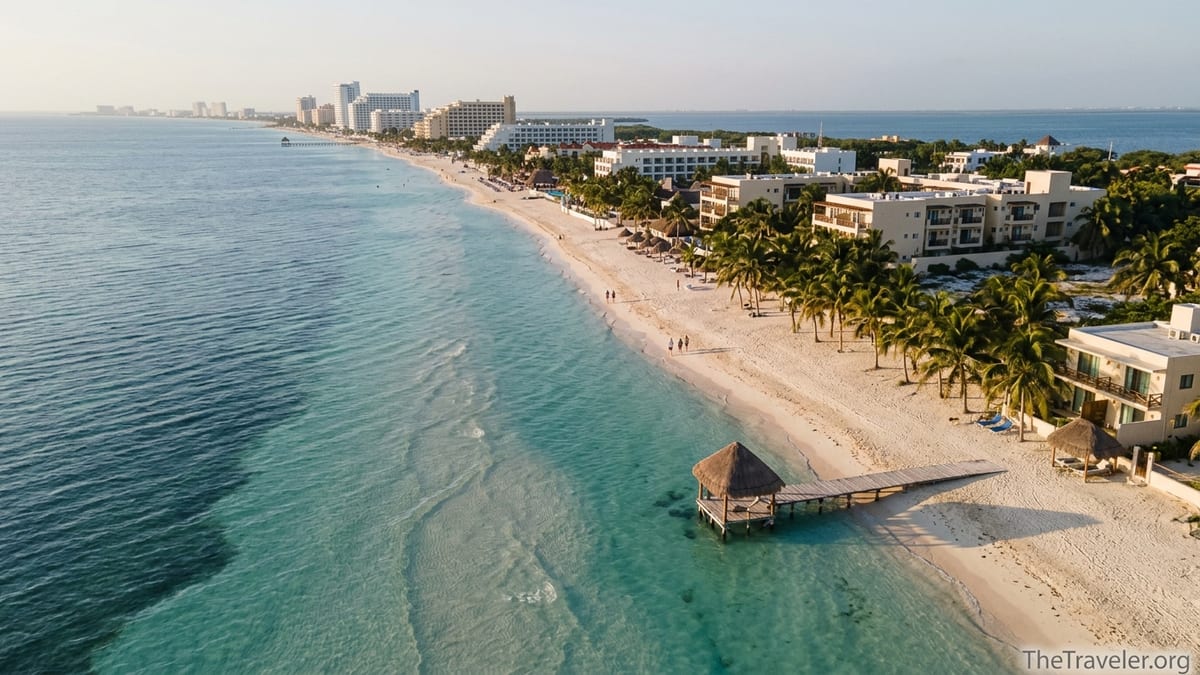
Understanding Yucatán’s Coastlines and Seasons
The Yucatán Peninsula actually has two very different coasts plus one standout lagoon. The Caribbean side runs from Cancún through Playa del Carmen, Akumal and Tulum down toward Belize. It is famous for turquoise water, coral reefs and big-name resorts. The Gulf of Mexico side around Progreso and Celestún feels more low-key, with shallower green-blue water, wide sand and a largely local crowd. Inland, Bacalar is a long freshwater lagoon known as the Lagoon of Seven Colors, where you swim off wooden docks into clear, calm water rather than crashing waves.
Weather and sea conditions should shape your plans. Dry season, from roughly late November to April, usually brings calmer seas, cooler evenings and clearer water, which suits snorkelers and first-time visitors. From about May to October, humidity and rain increase, and hurricane season peaks between August and October. Many travelers still come in summer, but you should pack for tropical showers and check flexible cancellation policies before prepaying non-refundable stays.
Another factor is sargassum, the brown seaweed that can wash onto Caribbean beaches, especially between roughly April and September. It changes week by week and beach by beach, so it is worth checking a recent seaweed map or hotel webcam before you book. In recent seasons, some Cancún Hotel Zone beaches, parts of Playa del Carmen and especially Tulum have seen heavier arrivals, while Isla Mujeres and the northern side of Cancún’s hotel strip have often remained cleaner thanks to their orientation and daily cleanup efforts.
Prices also vary widely across the region. In winter high season, oceanfront all-inclusive resorts in Cancún and the Riviera Maya can easily run from around 350 to 700 US dollars per night for two people, while simple family-run guesthouses in Progreso or Bacalar might start near 60 to 100 US dollars. Knowing when and where to go can help you enjoy the best of each coastline without unnecessary surprises.
Cancún: Classic All-Inclusive Resorts and Easy Beach Holidays
Cancún’s Hotel Zone is the easiest gateway to the Yucatán’s beaches, especially for first-time visitors and short trips. The 20 kilometer strip of sand holds everything from large family-friendly all-inclusives to adults-only towers with rooftop pools. Stays at big-name brands typically include buffet and à la carte meals, drinks, kids’ clubs and organized activities, so you can spend most of your time between the pool and the sand without worrying about logistics.
For consistently good swimming conditions, look at the northern curve of the Hotel Zone, especially around the calm waters near Playa Caracol and the sheltered area facing Isla Mujeres. In recent seaweed seasons, this section has often had less sargassum accumulation than the open-ocean stretches farther south, thanks in part to its position inside the bay and the work of municipal cleanup crews. Families with young children tend to appreciate the shallower, gentler water here compared to the steeper, wave-exposed beaches along the open Caribbean side.
Budget-wise, Cancún spans a wide spectrum. In shoulder seasons such as late April or early December, midrange all-inclusive resorts often advertise nightly rates around 250 to 400 US dollars for two adults, while high-end properties with premium liquor, spa access and oceanfront suites can run double that over Christmas, New Year or Easter week. If you are price-sensitive, you can also stay in downtown Cancún, where business hotels and small inns are much cheaper, and then take the city bus to the beach for a couple of US dollars per ride.
Travelers who value nightlife and convenience more than tranquility will feel at home in Cancún. Bars, clubs and mall-style dining are concentrated around the Forum area in the middle of the Hotel Zone, and most resorts can arrange day trips to Chichén Itzá, cenotes, Isla Mujeres or snorkeling tours. If you prefer quiet evenings or boutique style, consider splitting your time between Cancún and a smaller beach town elsewhere on the peninsula.
Playa del Carmen and Tulum: Trendy Beach Scenes and Boutique Escapes
South of Cancún, Playa del Carmen and Tulum stretch along the Riviera Maya, mixing sandy coves, reef access and a very different personality from the high-rise skyline of Cancún. Playa del Carmen is compact and walkable, centered on Quinta Avenida, a pedestrian street lined with cafés, beach clubs, boutiques and small hotels. It works well for travelers who want a car-free stay and easy access to both beach time and urban-style dining.
Accommodation in Playa del Carmen ranges from hostels near the bus station to boutique hotels with rooftop pools and midrange all-inclusive resorts on the northern and southern edges of town. In high season, simple but comfortable hotels a few blocks from the beach might start around 80 to 150 US dollars per night, while upscale beachfront options can reach 300 US dollars and beyond. Several beach clubs sell day passes that include a sunbed, towel and food credit, which can be a flexible option if you do not want to pay resort prices but still enjoy serviced loungers on the sand.
Tulum sits about an hour and a half farther south and has grown from a sleepy backpacker stop into one of Mexico’s most recognizable beach destinations. It is effectively divided into three areas: the Pueblo, which has cheaper guesthouses and restaurants inland; the Beach Zone, where stylish boutique hotels, yoga retreats and beach clubs line a narrow road; and the archaeological zone, where the famous ruins overlook a small, photogenic cove. Luxury eco-resorts and designer villas in the Beach Zone often charge 400 to 800 US dollars per night or more in peak weeks, especially for rooms with private plunge pools or direct beach access.
Visitors considering Tulum should be aware of a few trade-offs. Beach access is more privatized than in some other areas, so you often enter via a beach club or hotel, sometimes paying a cover charge that is credited toward food and drinks. In recent years, the open Caribbean shoreline here has also been more exposed to sargassum arrivals in spring and summer, which can temporarily affect swimming and beach aesthetics. On the other hand, Tulum consistently appeals to travelers seeking boutique design, wellness retreats, plant-forward cuisine and a lively bar and nightlife scene that runs late into the night.
Isla Mujeres and Holbox: Laid-Back Islands and Car-Free Stays
For travelers who want quieter streets and a more relaxed rhythm without giving up white sand and bright water, Isla Mujeres and Holbox are strong contenders. Both are islands you reach by ferry, and both restrict regular cars in their main tourist areas, which immediately changes the pace compared with the mainland.
Isla Mujeres lies just offshore from Cancún and is easy to visit even on a short trip. The ferry ride takes around 20 to 30 minutes from the mainland piers. Most visitors focus on Playa Norte, a wide crescent of shallow, calm water ideal for long swims and sunset walks. The orientation of the bay and the island’s position have helped Playa Norte often stay clearer of sargassum than some mainland beaches in recent seasons, though conditions can still vary at different times of year. Sun loungers, cocktail service and casual seafood spots line the shore, while small hotels and guesthouses sit within walking distance in the main town.
Holbox, at the northern tip of Quintana Roo, feels more remote and bohemian. The ferry from Chiquilá takes about 20 minutes, delivering you to a sandy town where streets are unpaved and golf carts and bicycles handle most transport. Long, shallow sandbars angle out from the beach at low tide, creating warm, ankle-deep water that is ideal for families or anyone who likes to wade far from shore. Resort development is increasing but still smaller in scale than in Cancún or Playa del Carmen, with many properties offering simple, stylish rooms in palapa-roofed buildings.
Prices on both islands shift with the seasons. On Isla Mujeres, midrange hotels near Playa Norte might run from about 180 to 300 US dollars per night in winter, while on Holbox simple beach hotels can start closer to 150 US dollars and rise sharply for suites with plunge pools or direct beach access. During peak weeks, such as Christmas and Easter, both islands book out far in advance. In exchange for the higher cost, you get softer evenings, less traffic noise and the chance to walk barefoot back to your room after watching the sun set over the water.
These islands suit travelers who prize atmosphere and gentle beach time over big resort amenities. You will not find sprawling all-inclusive complexes with multiple pools and kids’ clubs here. Instead, expect smaller pools, hammocks on porches, independent beach clubs and locally run restaurants where fresh fish tacos and ceviche are common staples.
Akumal and the Riviera Maya for Snorkeling and Family-Friendly Bays
Akumal sits roughly between Playa del Carmen and Tulum and has long been known for its shallow bay and resident sea turtles. The main beach, Akumal Bay, is a curved, protected stretch with usually calm water and easy entry, which makes it well suited to families with children and to travelers who prioritize snorkeling right from the sand. On typical days you can see schools of fish, seagrass beds and sometimes turtles within a relatively short swim from shore.
The area has a mix of all-inclusive resorts, condominium complexes and small hotels. Families often choose apartment-style stays in the surrounding residential areas of Akumal because they combine kitchen facilities with access to community pools and, in some cases, private or semi-private beach access. Nightly rates can vary widely, but a two-bedroom condo with a sea view might start near 200 to 300 US dollars in mid season, compared with higher prices at full-service all-inclusive resorts that include meals and kids’ programs.
In recent years, local authorities have introduced more controls on snorkel tours in Akumal Bay to protect the turtles and seagrass. Visitors may need to join a guided tour, follow designated swimming routes or wear life jackets while snorkeling in certain zones. If you plan to come specifically for turtle encounters, it is wise to check the latest rules and choose a licensed operator that follows conservation guidelines rather than trying to approach wildlife independently.
Beyond Akumal, smaller bays along the Riviera Maya such as Xpu-Ha and Paamul offer a quieter alternative to the busier town beaches. These coves generally have soft sand, reef-protected water and a handful of low-rise hotels and beach clubs. You will often pay a modest entrance fee or day-pass cost to access facilities like shaded loungers, restrooms and restaurants, which can be worthwhile if you prefer a more organized base than a completely undeveloped public beach.
Bacalar Lagoon: Freshwater Blues and Quiet Escapes
Bacalar, about a three- to four-hour drive south of Tulum near the Belize border, offers a completely different water experience from the Caribbean and Gulf coasts. The Lagoon of Seven Colors is a long, narrow freshwater body edged by mangroves, small piers and wooden docks. Instead of waves, you get glassy water that shifts from pale mint to deep cobalt depending on depth and sunlight, making it particularly appealing if you like calm swimming and paddle sports.
Because Bacalar is a lagoon rather than the open sea, issues such as sargassum and strong surf are not a concern here. Many small hotels and guesthouses sit directly on the water, with private jetties where you can climb down a ladder into the lagoon or stretch out on a hammock suspended over the shallows. Travelers on a midrange budget might find waterfront rooms starting around 120 to 200 US dollars per night, while simpler inland guesthouses and hostels can be significantly cheaper.
Days in Bacalar tend to revolve around quiet activities. Common choices include sunrise kayak outings, leisurely swims to nearby sandbars, and boat tours that stop at cenote-like deep spots within the lagoon. There is some nightlife in town, but it is modest compared with the party scenes farther north. Restaurants skew toward casual, with a mix of Mexican dishes, simple grilled fish and vegetarian-friendly options.
Bacalar suits travelers who want a slow-paced escape, couples on a romantic break and remote workers seeking a less crowded base with natural swimming. If you are combining several destinations in one trip, spending two or three nights here after busier days in Cancún or Tulum can provide a welcome change of scenery and a break from crowds.
Progreso and Celestún: Gulf-Coast Beaches and Local Vibe
On the Gulf of Mexico side of the peninsula, Progreso and Celestún deliver a more local Yucatecan beach experience. Progreso is the main port city north of Mérida, known for its very long pier and a malecón lined with simple seafood restaurants, beach bars and rental loungers. The water here is shallower and generally calmer than many spots on the Caribbean coast, with a light green-blue color and gentle waves that suit relaxed swimming rather than high-adrenaline water sports.
Accommodation in Progreso skews toward modest hotels, apartment rentals and guesthouses, with relatively few large-scale resorts. That keeps prices more accessible. In many cases you can find basic but comfortable rooms within walking distance of the malecón starting around 60 to 120 US dollars per night, especially outside peak Mexican holiday periods. Weekends and national holidays can feel quite busy, when families from Mérida drive up for the day to enjoy the beach and fresh seafood lunches.
Farther west along the coast, Celestún offers quieter beaches and a protected biosphere reserve famous for its flamingo colonies and mangrove channels. The main town beach is simple, with a few small hotels and restaurants, and most visitors split their time between swimming, walking the shoreline and taking boat tours into the estuary. Compared with Progreso, Celestún feels smaller and more nature-focused, and nights are usually very quiet.
These Gulf-side destinations work well for travelers seeking lower prices, a predominately Mexican crowd and an easy pairing with cultural time in Mérida. You will not find the intense turquoise shades of the Caribbean, but you also avoid some of the heavier resort development and seasonal seaweed issues. Plan for slower service, siesta hours and a focus on simple pleasures such as hammocks, ice-cold drinks and plates of grilled fish under palapa roofs.
Choosing the Right Beach for Your Travel Style
With so many destinations packed into one region, the key question is not which beach is best overall, but which is best for your particular trip. Travelers who want maximum convenience, structured activities and little day-to-day decision-making often gravitate to Cancún’s Hotel Zone or to larger Riviera Maya resorts near Playa del Carmen or Akumal. In those settings, you can bundle flights and accommodation, rely on on-site restaurants and let the resort’s tour desk arrange day trips to cenotes or Maya ruins.
If you value atmosphere and independence over large facilities, the islands and smaller towns usually win. Isla Mujeres, Holbox and Bacalar have fewer chains and more locally run hotels, guesthouses and cafés. You might trade a big buffet for a corner breakfast spot and a rooftop bar for a beach shack with plastic chairs, but in return you get quieter nights and the ability to walk almost everywhere. These destinations are especially satisfying for repeat visitors who have already seen the main sights and now want to slow down.
Travelers focused on snorkeling and marine life may prefer Akumal and select parts of the Riviera Maya where reefs lie close to shore. Those drawn to wellness retreats, design hotels and a lively restaurant scene still find Tulum compelling despite higher prices and increased crowds. Meanwhile, budget-conscious visitors who also enjoy local culture might choose to stay in Mérida and visit Progreso or Celestún on day trips, combining city museums and markets with afternoons by the sea.
When planning, consider combining two or three contrasting bases over a week or more. For example, you might spend three nights in a full-service resort in Cancún for easy beach time and day tours, three nights on Isla Mujeres or Holbox for barefoot island life, and two nights in Bacalar for freshwater swimming and quieter evenings. Building variety into your route helps you experience the full range of what the Yucatán Peninsula’s beaches and waterways can offer.
The Takeaway
The Yucatán Peninsula is far more varied than a single postcard of white sand and palm trees suggests. On one coast you have the Caribbean, with its iconic turquoise water and resort infrastructure, and on the other the gentler Gulf of Mexico with its local beach towns and lower-key tourism. Inland, Bacalar’s lagoon adds a freshwater alternative that avoids many of the sea-related variables that can affect ocean beaches.
Instead of asking which destination is objectively best, it helps to be honest about what you enjoy most. If your ideal holiday includes entertainment teams, buffet lines and a choice of pools, Cancún and the larger Riviera Maya resorts deliver that with minimal effort. If you are happiest wandering small streets in flip-flops and watching the tide roll in from a simple beach bar, Isla Mujeres, Holbox, Bacalar, Progreso or Celestún may fit better.
Practical details matter too. Travel times between destinations can be longer than they look on the map, high-season prices can rise quickly, and seasonal factors such as seaweed or tropical storms can shape the experience. Checking recent conditions, booking flexible rates where possible and balancing one or two high-profile spots with at least one quieter base will help you create a trip that feels both memorable and restful.
Whichever coastline you choose, give yourself time to slow down. The strongest memories from the Yucatán’s beaches often come not from the most photographed viewpoints, but from small, unscripted moments: an early-morning swim in still water, the sound of palm leaves in the wind or a simple plate of fresh seafood eaten with sandy feet and the day’s last light fading across the sea.
FAQ
Q1. When is the best time of year to visit Yucatán Peninsula beaches?
The most reliable conditions usually fall between late November and April, when temperatures are warm, humidity is lower and rain showers are less frequent. This is also high season, so prices are higher and popular beaches are busier.
Q2. How bad is the sargassum seaweed problem on these beaches?
Sargassum typically appears in varying amounts between about April and September along the Caribbean coast. Some beaches remain relatively clear while others see heavy accumulations that affect swimming. Conditions change week by week and beach by beach, so it is wise to check recent seaweed reports or hotel photos before finalizing bookings.
Q3. Which destinations are usually better for avoiding seaweed?
In recent seasons, more sheltered areas such as the northern curve of Cancún’s Hotel Zone, Isla Mujeres and the islands’ interior-facing beaches have often seen less seaweed than open Caribbean shorelines. Bacalar, as a freshwater lagoon, and the Gulf-coast towns of Progreso and Celestún are not affected in the same way as the Caribbean.
Q4. Do I need a rental car to explore the Yucatán beaches?
You can visit many places without a car by using airport shuttles, ADO buses, taxis and ferries. Cancún, Playa del Carmen, Isla Mujeres and Holbox are manageable with public transport. A rental car becomes more useful if you plan to combine several destinations such as Tulum, Akumal, Bacalar or the Gulf-coast towns in a single trip.
Q5. Are the Yucatán Peninsula’s beaches safe for swimming?
Most main beaches have areas suitable for swimming, but conditions vary with weather and currents. Some Caribbean beaches have stronger waves and undertows, while bays like Akumal and the calmer waters off Isla Mujeres and Bacalar’s lagoon are usually gentler. Always follow local flags, warning signs and lifeguard advice where available.
Q6. How expensive is it to stay near the beach in this region?
Prices range widely. Simple guesthouses or small hotels a few blocks from the sand can start near 60 to 120 US dollars per night, while midrange beachfront hotels often run between 150 and 300 US dollars. Large all-inclusive resorts and high-end boutiques in hot spots such as Cancún and Tulum can easily exceed 400 US dollars per night in peak periods.
Q7. Which area is best for a quiet, romantic escape?
Couples often favor Holbox for its car-free streets and long sunsets, Bacalar for its tranquil lagoon-front hotels and hammocks, or smaller Riviera Maya bays and boutique properties in Tulum’s Beach Zone. Choosing a smaller property away from the busiest nightlife strips helps ensure quieter evenings.
Q8. Where should families with young children stay?
Family travelers often do well in Cancún’s calmer northern Hotel Zone, in large Riviera Maya resorts with kids’ clubs and shallow pools, or in protected bays such as Akumal. Holbox and Isla Mujeres also work well for families who like walking and shallow, gently sloping beaches.
Q9. Can I combine cultural visits with beach time easily?
Yes. Many visitors pair Mérida with beach days in Progreso or Celestún, or combine Riviera Maya bases such as Playa del Carmen or Tulum with day trips to archaeological sites like Tulum ruins, Cobá or Chichén Itzá and to cenotes for freshwater swimming.
Q10. How far in advance should I book accommodation?
For Christmas, New Year, Easter and popular school holiday periods, it is sensible to book several months in advance, especially on small islands and in high-demand towns like Tulum and Bacalar. In shoulder seasons, you often have more flexibility, but waterfront boutique hotels and well-reviewed budget options can still fill up quickly.