


Ask a dozen seasoned travelers how they finally took that big trip, and you will almost never hear, “Because everything in my life was perfectly lined up.” Flights were getting more expensive, work was busy, the kids had school, a parent was unwell, the savings account was thinner than they hoped. They went anyway. In a world of rising airfares, unpredictable headlines, and never-ending to-do lists, the perfect time to travel is an illusion. The good news is that meaningful, responsible travel rarely depends on perfection. It depends on choices, trade-offs, and a willingness to leave even when life still feels unfinished at home.
Get the latest updates straight to your inbox!
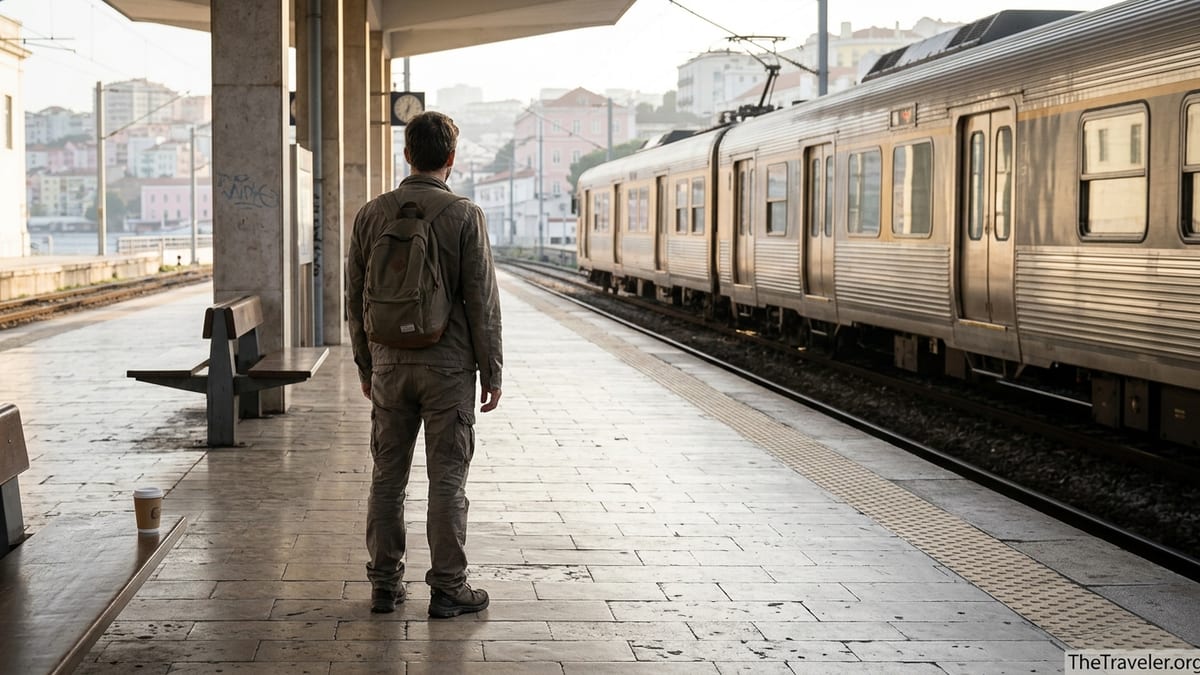
The Myth of the “Perfect” Season of Life
Many people imagine there will be a future chapter when travel suddenly becomes easy: when the promotion comes through, when the kids are older, when the mortgage is smaller, when the world feels calmer. Talk to people in any of those “future” stages and you discover a quieter truth. The executive who finally earns extra vacation time also has more responsibility and finds it harder to disconnect. Parents whose kids are in college are often supporting tuition instead of plane tickets. Retirees may finally have free time but face health constraints or fixed incomes. Life does not neatly open a window and hang a sign that says, “Now is ideal for travel.”
Consider a couple in their early thirties in Chicago who dream of spending a month in Portugal. In their twenties, money was the constraint. By the time they could afford a $650 to $800 off-season round-trip flight from Chicago to Lisbon, their jobs had grown more demanding and elderly parents needed more support. If they wait for the moment when work slows and family obligations disappear, that moment might never come. Instead, they choose to work remotely for three weeks from Porto and take vacation time for one week, accepting that some days they will eat pasteis de nata between video calls rather than hike all day along the Douro.
Across the travel industry, demand continues to rise even in periods of economic uncertainty, precisely because people are deciding that waiting for “someday” is riskier than going now in a thoughtful way. Surveys in North America and Europe show that leisure travelers keep planning trips despite inflation and higher airfares, often trimming trip length or shifting destinations instead of skipping travel entirely. People are no longer just traveling to escape; they are traveling because they recognize that postponing meaningful experiences carries its own cost.
This does not mean throwing caution aside. It means recognizing that careers will rarely be perfectly stable, savings will rarely feel fully sufficient, and families will rarely be free of obligations. If you accept that messiness is the default setting of adult life, the question quietly changes from “When is the perfect time to travel?” to “What kind of trip is realistic and responsible for me this year?”
Money Will Almost Never Feel Like “Enough”
Finances are the most common reason people give for postponing travel. Airfares in North America have risen notably in recent years, with average economy tickets for long-haul routes often hovering in the $700 to $1,000 range from major hubs for international trips. Hotel rates in popular European capitals like Paris or Rome frequently sit between $150 and $300 per night for mid-range properties in high season. For a family of four, even a one-week trip can start to look daunting. It is understandable to want a larger safety net before committing to those costs.
Yet travelers who wait until money feels fully abundant often discover that lifestyle has quietly expanded alongside income. The raises and bonuses that might have gone to a trip get absorbed into a bigger apartment, a car upgrade, or higher childcare costs. Meanwhile, travel prices have a tendency to climb over time. A traveler who visited Iceland in 2016 might recall paying under $400 for a shoulder-season flight from Boston to Reykjavik. A similar trip in 2026 might easily cost double that when you add fuel surcharges and demand-driven pricing.
Instead of chasing a vague feeling of “more comfortable,” it can be more practical to define a clear budget band and then design the trip to fit. A solo traveler from Dallas with $1,800 earmarked for a week abroad might skip Western Europe in July and instead choose Mexico City in late April. Round-trip flights might be around $400 to $600 if booked a few months out, a stylish guesthouse in Roma Norte could cost roughly $70 to $120 per night in shoulder season, and daily meals from street tacos to mid-range restaurants might average $25 to $40. Suddenly, a week of rich culture, museums, and food is achievable within that fixed budget by choosing a destination where the currency and cost of living stretch dollars further.
Travelers with tight budgets are increasingly using tools and strategies to make imperfect finances workable rather than disqualifying. Some prioritize one “anchor” experience per trip, such as a guided day in Tokyo’s Tsukiji Outer Market or a safari drive outside Nairobi, and keep everything else minimal: local buses, street food, budget guesthouses. Others lean into slower trips, renting an apartment in a city like Valencia or Chiang Mai for a month at a lower weekly rate instead of city-hopping in Europe every three days. The total cost may surprise them by being comparable to a rushed two-week itinerary, but with deeper immersion and less transportation spending.
Your Career Will Not Pause for Your Dreams
Work is another powerful reason people delay travel, particularly in countries like the United States where paid vacation time can be limited. Many professionals worry that stepping away for two weeks will signal a lack of dedication, jeopardize promotion opportunities, or leave them drowning in email on return. The irony is that burnout has become one of the top reasons people eventually quit their jobs altogether, often taking longer breaks between roles than a planned vacation would have required.
Some companies are quietly recognizing this tension. A growing share of employers, especially in sectors like technology, consulting, and design, are adopting hybrid or remote-first policies that allow employees to work from other locations for limited periods. In practice, this looks like a marketing manager from New York working three weeks from a co-working space in Barcelona while taking advantage of evenings and weekends to explore the city’s neighborhoods. Instead of waiting for a future sabbatical that may or may not come, they are threading travel into their existing work life.
Even where remote work is not an option, people are learning to negotiate their way to more time. Teachers in Canada often align major trips with their summer break, then extend by a week on either side through unpaid leave, accepting a small income hit in exchange for a longer journey. Healthcare workers in Australia sometimes combine several shorter shifts into compressed schedules, freeing clusters of days for domestic road trips along the Great Ocean Road or up the Queensland coast without using vast reserves of annual leave.
Of course, not every job or industry is flexible. Frontline workers, small business owners, and those in highly specialized roles may find it harder to disappear. In these cases, the answer is rarely to abandon responsibility. Instead, it can mean redefining what travel looks like. A restaurant owner in Atlanta might not manage a three-week escape during peak season, but can carve out four days in January to fly to Puerto Rico when ticket prices are lower and the restaurant can operate on reduced hours. Those four days, spent wandering Old San Juan’s cobblestone streets and decompressing on Luquillo Beach, might do more for long-term resilience than waiting years for a gap that never comes.
Relationships, Kids, and Caregiving Are Constant, Not Temporary
Another common story: “We will travel when the kids are older” or “Once my parents are settled, I’ll finally take that trip.” Family responsibilities are real, and in many cultures, caring for children and older relatives falls heavily on the same adults. Yet the idea that there will be a clean break between “busy caregiving years” and “free travel years” often proves false. Children become teenagers with exam schedules and sports. Parents age more quickly than expected. Long-term partners may develop their own health issues or career changes that complicate travel plans.
Families who do travel amid this complexity often accept that their trips will look different than the carefree backpacking of their twenties. Take a couple from Toronto with two children under ten and one grandparent living with mild mobility issues. Instead of postponing all travel, they might plan a ten-day trip to Italy in May, splitting time between Florence and a farmhouse in Tuscany. They choose an apartment with an elevator and nearby tram stop, book a direct flight even if it costs more than a layover, and plan alternating days of activity and rest. The children get gelato-fueled piazza time and countryside bike rides; the grandparent enjoys local cafes and quiet afternoons on the terrace.
Multigenerational travel has quietly grown over the past decade as families realize that memories are a form of inheritance. A retired couple in their seventies might decide to take their grandchildren on a road trip through national parks in the American Southwest, renting a minivan in Phoenix and following a loop through Sedona, the Grand Canyon, and Zion National Park. The pace is slower, accessible trails are prioritized, and some days are simply about campfires and stargazing. There is no illusion that this is the “perfect” trip; rather, it is a conscious effort to spend time together now while mobility and health still allow it.
Caregivers who cannot travel with their loved ones sometimes create micro-getaways instead of long absences. A woman caring for a parent with dementia in Manchester might coordinate with siblings so she can take two nights every few months in another city, perhaps taking a low-cost train to Edinburgh in February when hotel prices are softer. She spends 48 hours walking along the Water of Leith, visiting a gallery, and sleeping deeply in a small guesthouse. It is not a grand tour, but it is travel that acknowledges both her responsibilities and her need for mental space.
Health, Age, and the Risk of Waiting Too Long
Health is one of the most sobering reasons people postpone travel. If you are dealing with a chronic condition, recovering from surgery, or supporting someone who is, it may feel safer to wait. Yet travelers who reach their late sixties and seventies often share a regret: they assumed active travel would still be easy at that stage, only to find that knee problems, heart issues, or simple fatigue restricted what was realistic. High-altitude treks, long days of city walking, and even overnight flights can become far more challenging in later decades.
Consider a man in his fifties from Seattle who has always dreamed of hiking the Inca Trail to Machu Picchu. He tells himself he will go “after retirement” to avoid interfering with work. By the time he is in his late sixties, he develops arthritis in his knees and finds stairs painful. The four-day trek, with steep ascents and descents at altitude, shifts from difficult to unrealistic. If instead he had planned the trip at 55, perhaps using a local trekking company in Cusco and building in extra acclimatization days, he might have completed the route safely while still fit enough.
Travelers facing health uncertainties sometimes pivot to less physically demanding but equally meaningful experiences instead of abandoning travel altogether. A woman undergoing cancer treatment in Melbourne might not be able to backpack across Southeast Asia, but she might feel strong enough for a five-day stay in Hobart, exploring the waterfront, visiting the Museum of Old and New Art, and taking short drives into the Tasmanian countryside. By choosing a destination with good medical facilities, short flight times, and flexible activities, she can travel in a way that respects her body’s limits.
Insurance and contingency planning become more important as health risks rise. Purchasing a travel insurance policy that covers trip interruption and medical evacuation, traveling with updated prescriptions and doctor’s letters, and choosing destinations with reliable healthcare infrastructure can mitigate some fears. None of these measures create a perfect scenario, but they make it possible to say “yes” to travel in an imperfect season, rather than waiting indefinitely for the all-clear that may never come.
The World Is Uncertain, But Staying Still Is Not Risk-Free
Global events add another layer of hesitation. Economic slowdowns, public health concerns, geopolitical tensions, and natural disasters can make international news feel like a list of reasons to stay home. It is sensible to pay attention to advisories and to avoid regions experiencing active conflict or instability. At the same time, history shows that the world has rarely been free of risk. People traveled during oil crises, during currency shocks, and in the years following major events like volcanic eruptions or hurricanes. They adjusted their choices, but they did not eliminate travel entirely.
Recent years have highlighted how resilient travel demand can be. Airline spending days have repeatedly hit record highs even during periods of inflation and uneven economic growth, as people prioritize experiences over some kinds of discretionary goods. Cruises, in particular, have rebounded strongly, drawing travelers who find comfort in the predictability of a pre-paid itinerary that bundles lodging, food, and entertainment into a single upfront price. For value-conscious families from Texas or Ohio, a weeklong Caribbean cruise out of Galveston or Miami can feel more financially manageable than piecing together separate flights, hotels, and meals.
Uncertainty does not always mean danger; sometimes it simply means variability. A traveler planning a trip to Japan might face fluctuating exchange rates that make hotels and dining either surprisingly affordable or unexpectedly pricey compared with previous years. The same goes for British travelers weighing a holiday in the eurozone as currency values shift. Instead of abandoning the idea entirely, many travelers adjust the length, downgrade hotel categories, or choose more budget-friendly regions like Kyushu instead of Tokyo for longer stays.
Practical risk management is a more realistic goal than total safety. Checking government travel advisories, registering with consular services before visiting certain countries, and maintaining flexible bookings where possible can provide a buffer if situations change. So can choosing destinations with diversified economies and stable infrastructure, such as Portugal, Canada, or Japan, during times of volatility elsewhere. Remaining at home may avoid one set of risks, but it introduces another: the slow erosion of curiosity and resilience that comes from never stepping outside familiar surroundings.
How Travelers Actually Make Imperfect Trips Work
Behind every “dream trip” photo in a magazine or social feed lies a mosaic of compromises that rarely make the caption. The couple smiling under cherry blossoms in Kyoto might have taken overnight flights in economy, eaten most meals at convenience stores like Lawson or 7-Eleven to save money, and spent evenings catching up on work from a tiny business hotel room. The family on safari in Kenya may have booked a shorter three-night stay in the Maasai Mara instead of a week, then spent extra days in Nairobi self-catering in an apartment rental to balance the budget.
One of the most practical shifts travelers make is embracing shoulder seasons. A visitor from London who wants to explore the Greek islands might skip August crowds and aim for late May or early October instead. Ferries between Piraeus and islands like Naxos or Milos still operate frequently, water temperatures are swimmable, but nightly rates for small hotels often drop, sometimes by a third or more compared with peak summer. Restaurants are less crowded, locals have more time to chat, and the overall experience can feel more relaxed. The trade-off: slightly cooler evenings, a less frenetic nightlife scene, and the risk of a choppy ferry ride in off-peak weather.
Another strategy is choosing second cities over famous capitals. Instead of Paris, travelers might base in Lyon, where a well-connected train station still gives access to the rest of France but accommodation prices and restaurant queues can be gentler. Travelers who dream of Italy but balk at Venice in high season might fall in love with Bologna, a university city with rich food traditions and easier last-minute table reservations. These choices do not represent settling for less; they often yield richer, more local experiences while avoiding the pressure and cost that attach themselves to marquee destinations.
Technology has also made imperfect timing more manageable. Flexible booking options, fare alerts, and apartment rental platforms allow travelers to jump when a good deal appears, even if their calendars are not pristine. Someone scrolling flight search apps over breakfast in Denver might spot an unusually low late-September fare to Bogotá and decide to build a five-day trip around it, shifting meetings and swapping on-call obligations with colleagues. They do not wait to see whether October or November will be better; they shape their obligations around a real opportunity.
The Quiet Benefits of Traveling Before You Feel Ready
Going now, even when circumstances are less than ideal, offers benefits that do not appear on budgets or itineraries. Travelers frequently report that the very act of negotiating time off, budgeting carefully, and planning around constraints builds skills they later apply elsewhere in life. A software engineer in Berlin who arranges a two-month “work from anywhere” stint in Taipei, for example, must coordinate with their team across time zones, refine communication habits, and learn to set firmer boundaries around availability. Those skills can strengthen their professional reputation rather than weaken it.
Travel in imperfect seasons also has a way of sharpening gratitude. A young parent from Dublin who takes their toddler on a road trip around the west coast of Ireland in unpredictable April weather may find the trip more tiring than restorative in the moment. Yet years later, the memory of watching their child splash in puddles along the Cliffs of Moher trail between rain showers becomes a treasured story. The trip does not have to be “relaxing” to be important; its value lies partly in experiencing the world together under real-life conditions.
For some, traveling before they feel fully financially or emotionally prepared leads to a clearer sense of what they value most. A professional in Singapore might spend a modest week in Hanoi, eating in family-run pho shops and wandering backstreets, and realize they prefer this kind of grounded travel to a future of ultra-luxury resorts. Another traveler might discover that they care most about food and local markets, so they consciously downgrade accommodation on future trips to free up budget for cooking classes or guided food walks in cities like Oaxaca or Seoul.
Perhaps most importantly, travel in less-than-perfect circumstances reminds us that resilience is not built in comfort. Missing a train in Italy and figuring out how to rebook, navigating a delayed flight through Istanbul with children in tow, or handling a minor illness in Mexico City builds confidence that you can cope with disruption. The next time life at home feels unsettled, you carry a quiet memory: if you managed a language barrier and a logistical tangle abroad, you can navigate uncertainty in other parts of your life too.
The Takeaway
There will almost always be a persuasive reason to postpone travel. Airfares rise. Work projects intensify. Children need help with school. Parents need help with health. News cycles grow more alarming. The illusion is that all these threads will someday fall neatly into place, leaving you with a wide-open calendar, a padded bank account, a strong back, and a peaceful world. That day is unlikely to arrive in the way you imagine it.
Yet within imperfect conditions, there are countless ways to travel responsibly and meaningfully: shorter but more intentional trips, shoulder-season itineraries, second-city stays, remote work “workcations,” micro-getaways closer to home, and carefully planned journeys that account for health and caregiving. These are not compromised versions of a dream; they are the real trips that most people take, the ones that fit inside the messy reality of modern life.
The question is less whether now is the perfect time and more whether you can shape a trip that honors your current responsibilities while still honoring your finite time on the planet. If you wait until it feels easy, you may wait forever. If you go thoughtfully, even when it is a stretch, you may find that the very act of going becomes one of the most important stories of your life.
FAQ
Q1. How do I know if I can afford to travel right now?
Start by setting a specific budget for the entire trip, including flights, accommodation, food, local transport, insurance, and a buffer for surprises. Then choose destinations and dates that fit that number instead of designing an ideal trip first and hoping it matches your finances. Often, adjusting timing to shoulder season, staying in apartments with kitchens, and choosing second-tier cities over famous capitals can make an otherwise unaffordable trip realistic.
Q2. What if my employer frowns on long vacations?
Have a candid conversation focused on outcomes, not entitlement. Present a plan that shows how your work will be covered, what you will finish before leaving, and how you can be reached for genuine emergencies. If remote work is possible, suggest a hybrid arrangement where you work some days from your destination and take fewer full vacation days. Many managers are more receptive when they see that you have thought through the logistics professionally.
Q3. Is it irresponsible to travel while I still have debt?
It depends on the kind and level of debt and your repayment plan. If you are managing high-interest debt or struggling with basic expenses, it may be wise to prioritize stability. However, if you have a realistic repayment schedule, small, well-planned trips that fit within your budget can still be possible. Consider weekends away or nearby destinations that do not require flights, and avoid financing travel with new high-interest credit.
Q4. How can I travel with young children without it becoming overwhelming?
Choose fewer bases and more time in each place, prioritize accommodations with separate sleeping spaces and access to a kitchen, and build in rest days with no major activities. Direct flights, even if slightly more expensive, often pay off in reduced stress. Destinations with parks, pedestrian areas, and family-friendly dining, such as Copenhagen, Vancouver, or Lisbon, can make daily life on the road smoother with kids.
Q5. What should I consider if I have a chronic health condition?
Consult your healthcare provider well before travel, choose destinations with reliable medical facilities, and keep your itinerary flexible and not overly strenuous. Travel with copies of prescriptions and a summary of your medical history, and ensure your insurance covers medical care and evacuation if needed. Look for trips where you can enjoy nature, culture, and food without needing intense physical exertion every day.
Q6. Is it safe to travel given current global uncertainties?
No trip is risk-free, but you can make informed choices. Check official travel advisories, avoid regions experiencing active conflict or major instability, and favor destinations with strong infrastructure and healthcare systems. Flexible bookings, good insurance, and contingency plans for delays or changes can help. For many travelers, the personal benefits of travel outweigh the manageable level of risk when trips are planned thoughtfully.
Q7. How do I handle guilt about leaving family or dependents at home?
Guilt often eases when you plan support systems in advance. Arrange reliable care, communicate clearly about your plans, and stay reachable at agreed times. Framing travel as something that helps you recharge can also shift the narrative; you may return with more energy and patience. In some situations it might be more realistic to start with shorter trips and gradually build confidence for longer ones.
Q8. Can short trips really be meaningful, or should I wait for a long break?
Short trips can be deeply meaningful if you focus on depth over breadth. A three-day stay in a nearby city, exploring one neighborhood thoroughly, can leave a stronger impression than two rushed weeks of constant moving. Waiting for a perfect month-long break that never comes often leads to no travel at all, whereas a series of short, intentional trips can quietly add up to a rich tapestry of experiences.
Q9. How can I travel more sustainably if I decide to go now?
Opt for fewer, longer trips instead of many short flights, choose trains or buses where practical, and support locally owned accommodations and restaurants. Consider visiting during shoulder season to distribute visitor impact more evenly and look for tours and activities that respect local communities and ecosystems. Small decisions, like carrying a reusable water bottle and shopping at local markets, also contribute to a more responsible footprint.
Q10. What if I regret spending the money on travel later?
Regret is less likely when you align your trip with your core values. If you design travel around experiences that matter deeply to you, such as visiting family roots, learning a language, or seeing specific landscapes, you are investing in memories and personal growth rather than in fleeting status. Keep records of your trips through journals or photos; looking back often reinforces that the experiences were worth the trade-offs.