


More news on this day
For many parents planning a first family voyage at sea, Disney Cruise Line feels like the obvious choice, with its movies, characters and kid-focused spaces promising an easy win. Yet as more families sample rival brands, some are discovering that the most magical option for adults and children alike may not be the one with Mickey on the funnel.
Get the latest news straight to your inbox!
Disney’s Immersive Magic Still Wins With Young Children
Disney Cruise Line has built its reputation around storytelling and immersive themes that start working the moment families step on board. Current ships such as Disney Wish and Disney Treasure are structured almost like floating resorts inside a Disney park, with character meet-and-greets, movie screenings, themed restaurants and deck parties designed with younger children in mind.
The ships devote substantial real estate to youth clubs. Programs such as Disney’s Oceaneer Club and Oceaneer Lab typically cover ages 3 through 10, with additional dedicated venues for tweens and teens. Publicly available information shows that nearly an entire deck on newer vessels is dedicated to supervised activities, crafts and games tailored to children, easing parents’ concerns about how to keep kids occupied at sea.
For a parent traveling with young children, that focus delivers immediate benefits. Kids can step directly into environments inspired by Disney films, while parents receive built-in childcare and structured programming. For many families, that first cruise establishes Disney as the benchmark for how family-friendly a ship can feel.
However, that same emphasis on characters and curated experiences can narrow the appeal for adults and older children once the initial novelty wears off. As kids grow, parents sometimes begin to weigh whether the premium for that level of theming still makes sense.
Royal Caribbean’s Newer Ships Raise the Bar on Onboard Thrills
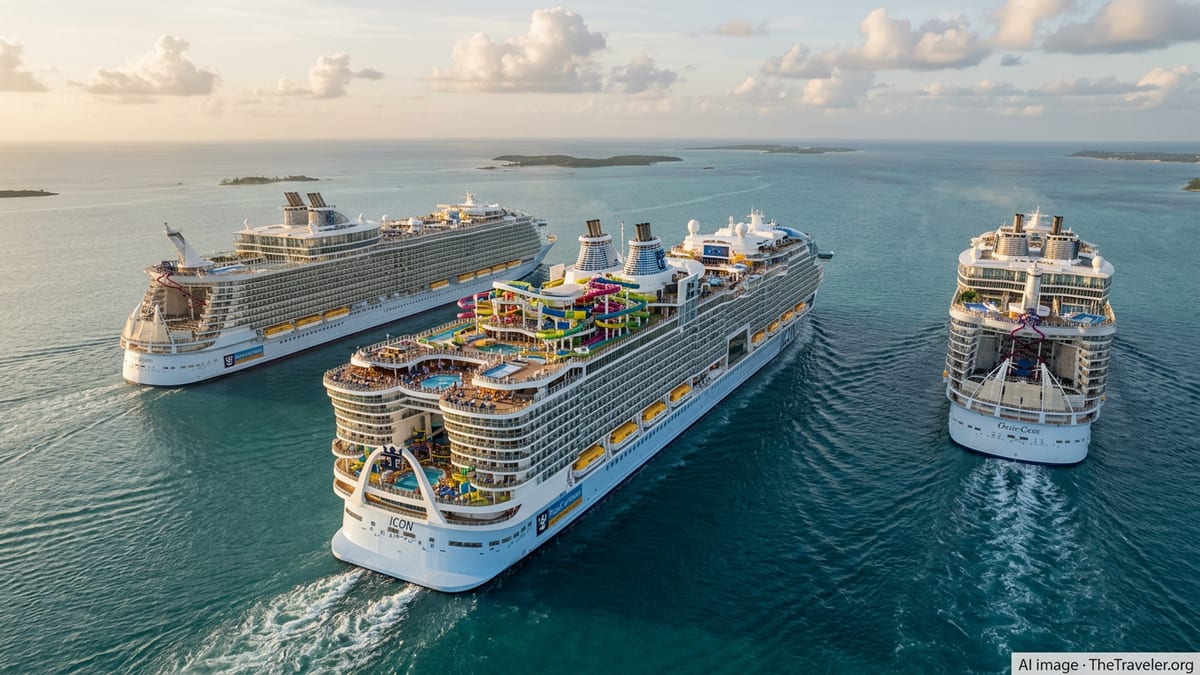
Royal Caribbean has responded to the family market by investing heavily in hardware that competes less on characters and more on physical experiences. Its newest ships, including the Icon class, highlight large-scale attractions such as multi-story water parks, surf simulators, bumper cars, ice rinks and expansive sports zones that appeal across age groups.
Reports indicate that these ships are designed to function as all-in-one entertainment hubs, with neighborhoods, multi-level pool decks and venues that can shift from family-friendly shows to late-night entertainment for adults. For parents who enjoyed the structure of a Disney cruise but wanted more variety beyond character events, the breadth of activities on Royal Caribbean can feel like an upgrade after a single sailing.
The kids’ clubs on Royal Caribbean are less themed than Disney’s but still extensive, and they are typically paired with large family pools and splash areas where parents and children can spend time together. This balance can be attractive to families whose children are aging out of the most character-focused years but still want designated youth spaces.
For one parent who tried Royal Caribbean after several Disney itineraries, the ship’s hardware, variety of venues and ability to keep both younger and older family members engaged quickly elevated it to preferred status.
Big Price Gaps Change How Families Perceive “Value”
Published comparisons for 2026 show that Disney Cruise Line itineraries generally remain significantly more expensive than similar sailings on Royal Caribbean, even when sailing comparable routes from the same Florida ports. Sample pricing for a four-night cruise for a family of four often places Disney at a notable premium over Royal Caribbean for standard cabins.
That price difference can be justifiable for parents with young children who are likely to spend most of their waking hours immersed in Disney’s stories and characters. The included soft drinks, rotational dining with themed shows and access to all kids’ clubs contribute to the sense of an all-inclusive, memory-driven vacation.
Once a family experiences Royal Caribbean, however, the calculation can shift. A parent who sees their children equally delighted by water slides, adventure courses and varied evening entertainment may conclude that the lower fare on Royal Caribbean delivers similar or greater happiness per dollar, especially for repeat cruisers.
Budget-conscious travelers also point to the impact of onboard spending. While both lines encourage extras such as specialty dining and shore excursions, some parents report feeling more comfortable experimenting with add-ons when the base fare on Royal Caribbean is lower than Disney’s.
Cabins, Dining and Crowd Flow Feel Different at Sea
Side-by-side reviews note meaningful differences in cabins and dining between the two brands. Disney’s staterooms are often praised for family-friendly layouts, including split bathrooms and more storage, which can simplify life with young children. Royal Caribbean, particularly on its latest ships, counters with a wider range of cabin categories and suites, from interior rooms to multi-bedroom suites with separate living areas.
Dining also reflects each line’s priorities. Disney offers rotational main dining rooms with elaborate themes and in-restaurant entertainment, which can be a highlight for young cruisers. Royal Caribbean leans into diversity, with large buffets, multiple complimentary venues and numerous specialty restaurants that span cuisines. Families who discover that their children enjoy trying new foods and settings may find this variety particularly appealing.
Crowd flow and ship layout can be another tipping point. With a smaller fleet, Disney ships tend to feel more compact, which some families appreciate for ease of navigation with strollers and small children. Royal Caribbean’s newest vessels are far larger but segment activities into distinct neighborhoods, which can reduce congestion in any single area and allow family members to spread out based on their interests.
For a parent used to Disney’s intimate scale, walking onto a Royal Caribbean mega-ship can initially feel overwhelming. After a few days, though, the extra space, multiple pools and duplicated venues often translate into shorter perceived waits and more spontaneous choices.
Age, Itineraries and Future Plans Influence Cruise Loyalty
Travel industry coverage indicates that Disney often remains the top choice for first-time cruises with very young children, especially among families already invested in Disney theme parks and films. The brand’s ability to deliver consistent character experiences, family-focused service and tightly managed entertainment continues to define its appeal.
Royal Caribbean, in contrast, often emerges as a stronger fit as kids grow into school-age and teen years, when adrenaline-driven attractions and more flexible nightlife become bigger priorities. Parents who have already “done Disney” at sea may view a Royal Caribbean itinerary as the logical next step, especially when the price gap becomes more noticeable for larger or extended families.
The parent who shifted loyalty after a single Royal Caribbean voyage reflects a broader pattern seen in recent travel commentary. Initial cruises with Disney provide a memorable foundation, but subsequent experiences on newer, activity-packed Royal Caribbean ships can recalibrate expectations about what a family cruise should offer and what it should cost.
For families planning their next sailing, the choice increasingly comes down to children’s ages, appetite for characters versus thrills and sensitivity to overall trip budgets. Once parents see their kids equally captivated on a ship without Disney branding, the case for exploring alternatives to their first favorite cruise line becomes much stronger.