


More news on this day
Italy’s lesser known lakes and coastal villages are emerging as powerful magnets for crowd-weary travelers in 2026, as national strategies and shifting visitor habits redirect attention from saturated hotspots to quieter waters and small-town shorelines.
Get the latest news straight to your inbox!
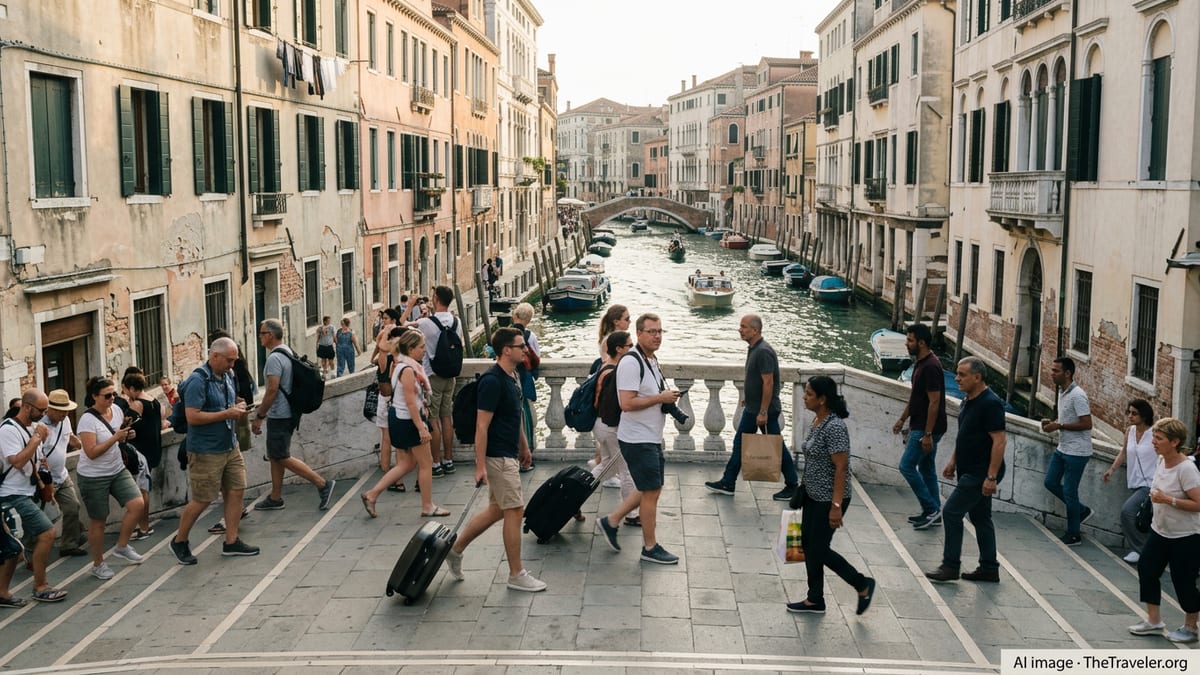
Data Signals a Shift Away From Italy’s Hotspots
The rising appeal of hidden destinations in Italy is closely linked to wider European travel patterns. Recent analysis of European visitor data for 2025 shows increasing demand for quieter regions and off-peak seasons, as travelers look to escape both overtourism and intense summer heat in classic resorts. Industry coverage indicates that while regions like Lazio and Tuscany continue to draw large numbers, a growing share of visitors is seeking out less crowded alternatives and spreading trips across the calendar instead of concentrating strictly on July and August.
Italian statistics point in the same direction. Ministry figures reported in national media show that in 2025 small municipalities recorded growth in overnight stays and arrivals that outpaced the national average, confirming the growing pull of rural villages, inland areas and minor coastal communities. Independent estimates released in early 2026 suggest that Italy’s small towns alone could account for more than 21 million arrivals and around 80 million overnight stays this year, volumes comparable to those seen in some of the country’s best known art cities.
International policy reporting adds that Italy’s current tourism plan through 2027 places strong emphasis on diversifying destinations and easing pressure on famous centers. The Organisation for Economic Co operation and Development notes that Italian tourism authorities are prioritizing “balanced” development, with explicit goals to redistribute visitor flows toward lesser known locations while maintaining a major contribution to national employment and exports.
These trends mean that previously overlooked lakeside hamlets and modest seaside resorts are entering mainstream trip planning for 2026. Travel platforms and tour operators are now highlighting smaller communities that once fell well outside the standard Rome Florence Venice itinerary.
Secret Lakes Step Out of Como’s Shadow
Italy’s northern lakes have long drawn international visitors, but coverage in 2025 and 2026 indicates a gradual pivot away from the most famous shorelines toward quieter waters. Reports from tour providers and travel guides describe growing interest in secondary lakes and low profile corners of better known basins, as travelers seek lake scenery without the crowds and prices associated with marquee destinations such as Lake Como.
Advisories and itineraries now spotlight under the radar stretches of Lake Maggiore and Lake Orta, pointing to towns like Baveno and Stresa as gateways to less hectic experiences. Travel reports portray these communities as bases for exploring the Borromean Islands or smaller lakeside villages while retaining a calmer atmosphere and more moderate accommodation costs than the highest profile resorts. Recent traveler accounts also reference Maggiore as a deliberate alternative for visitors who want the northern lake experience but prefer to sidestep the busiest promenades.
Further south, attention is turning to compact lakes in Lazio and central Italy that had rarely appeared in international travel media until recently. Specialist travel counsellors and niche operators have started promoting lakes such as Posta Fibreno, describing clear waters, low rise development and surrounding nature reserves that appeal to birdwatchers and hikers. These lakes are being marketed as day trip options from Rome and Naples for 2026, providing relief from urban heat and coastal congestion.
Industry observers suggest that climatic pressures are accelerating this movement inland. During recent summers, Italian and international coverage highlighted how persistent heatwaves pushed many domestic travelers away from overheated beaches toward fresher, higher altitude destinations. While Alpine resorts have absorbed a large share of this shift, cooler lake environments are increasingly positioned as a compromise between mountain retreats and traditional seaside holidays.
Coastal Gems Emerge Beyond Amalfi and Cinque Terre
On the coasts, multiple reports indicate a slow but steady diversification away from the Amalfi Coast and Cinque Terre, which have struggled with crowding and infrastructure strain. Travel features in 2025 described the narrow villages of the Ligurian coast and the cliffside paths of Cinque Terre as emblematic of overtourism, prompting both local regulations to manage crowd flows and intensified promotion of alternative towns along the Italian Riviera.
Coverage in international media and Italian travel portals has increasingly highlighted smaller Ligurian communities such as Camogli, Cervo and other Riviera dei Fiori towns. These destinations are portrayed as maintaining colorful historic centers and local fishing traditions while hosting fewer international tour groups than marquee stops. Reports note that many of these villages are reachable by regional train, allowing visitors to base themselves in a quieter town while still accessing larger hubs when needed.
Further south, coastal stretches in regions like Calabria, Basilicata and parts of Puglia are emerging in travel trend briefings as “next wave” Mediterranean escapes. A growing number of travel trend reports single out Calabria in particular as an alternative for travelers priced out of or frustrated with Italy’s best known coasts. Online trip accounts from 2026 describe empty or lightly visited beaches in parts of southern Italy even at the height of summer, along with lower restaurant prices compared with northern resorts.
Central Italy’s Tyrrhenian shoreline is also drawing renewed attention. Travel forums frequented by North American visitors now routinely recommend towns such as Sperlonga or Vico Equense as calmer bases within reach of Rome or the Bay of Naples. Commenters point to walkable centers, small castles and local beach culture that still feel mostly Italian in character, even as international arrivals rise.
Policy Push: Luminous Destinations and Balanced Tourism
The rise of Italy’s hidden destinations in 2026 is not driven solely by traveler preference. National and promotional strategies are increasingly aligned around the idea of dispersing visitors beyond the traditional circuit. One of the most visible examples is the “Luminous Destinations 2026” initiative, presented on a European tourism platform as an award program designed to spotlight lesser known Italian locations that combine cultural vitality with landscape protection.
According to publicly available information, the project is framed as a response to overtourism and centers on recognizing places that offer strong local identity, preserved environments and infrastructure capable of handling moderate visitor numbers. The initiative explicitly favors destinations that are beautiful yet less crowded, with the goal of encouraging what it describes as deeper and more responsible travel experiences.
This approach dovetails with Italy’s broader tourism strategy, which international policy documents summarize as promoting sustainable and balanced growth across the country. Reports emphasize that national planners see the redistribution of visitor flows as a way to support under served rural economies, reduce pressure on historic centers and heritage sites, and extend the tourism season beyond peak summer weeks.
Regional authorities and destination marketing organizations have followed suit with campaigns that foreground small towns, minor islands and coastal villages once absent from mainstream brochures. As a result, travelers researching Italy for 2026 are more likely than in previous years to encounter imagery of inland lakes, fishing harbors and hilltop borgos alongside the familiar skylines of Rome, Florence and Venice.
What Travelers Can Expect in 2026
For visitors planning trips to Italy in 2026, the growing prominence of hidden lakes and coastal gems translates into both new opportunities and fresh responsibilities. Travel trend reports indicate that demand for these destinations is rising, but they still generally lack the density of hotels, large scale transport links and round the clock services that characterize major resort areas. Travelers considering smaller lakes or lesser known coasts are being advised to plan ahead for seasonal ferry schedules, limited parking and shorter restaurant opening hours, particularly outside high summer.
At the same time, early bookings for specialist tours and independent itineraries suggest that the window for “empty” experiences in some of these places may narrow as they gain attention. Industry analysts note that the pattern seen in previous Italian hotspots still applies: once a village or lake appears frequently on social media or in guidebooks, visitor numbers can climb quickly. For 2026, however, many lakeside communities and coastal hamlets remain at an early stage of this curve, offering a mix of authenticity and relative calm that appeals to repeat visitors seeking something new.
Climate considerations are likely to reinforce the shift. Reporting on recent heatwaves across southern Europe suggests that high temperatures and wildfire risks are influencing destination choice and travel timing. Cooler lakeside microclimates and breezier, less urbanized coastal zones are expected to remain attractive for travelers looking for outdoor experiences without prolonged exposure to extreme heat.
For Italy, the rise of hidden destinations in 2026 represents an attempt to balance economic reliance on tourism with growing concern over quality of life in saturated hubs. For travelers, it broadens the map, inviting exploration of quiet quays on Lake Maggiore, small Lazio lakes framed by wetlands, or sun bleached villages on lesser known stretches of the Tyrrhenian and Ionian coasts that, until recently, rarely appeared on international itineraries.