


More news on this day
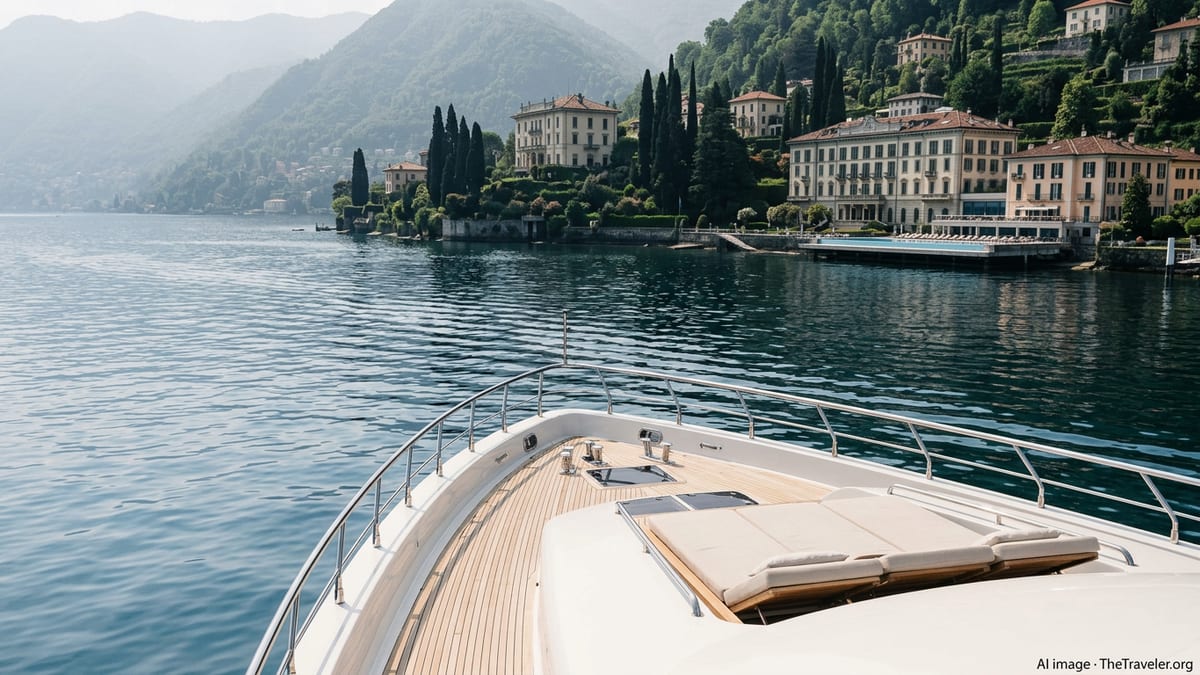
Italy’s quieter lakes and under-the-radar coastal villages are emerging as some of Europe’s most sought-after escapes in 2026, as travelers look beyond the country’s saturated hotspots toward lesser-known waters and small-town shores.
Get the latest news straight to your inbox!
Policy Shifts and Traveler Behavior Redirect Tourist Flows
After several years of record visitor numbers in destinations such as Venice, the Amalfi Coast and Cinque Terre, Italian tourism planners have been under pressure to ease congestion in heavily promoted areas. Publicly available information shows that national and regional strategies for the 2025 to 2026 seasons are increasingly centered on spreading visitors across a wider map of the country, from alpine lakes to secondary coastlines.
Reports on Italy’s tourism policy indicate that initiatives for 2026 highlight little-known villages and rural districts as part of a broader effort to showcase what officials have described as the “99 percent” of Italy that receives only a small share of international arrivals. Campaigns emphasize slower stays, smaller properties and destinations that can absorb visitors without the strains seen in more famous resorts.
At the same time, travel media coverage points to a shift in traveler preferences, with growing interest in nature-focused trips, outdoor swimming, and low-key seaside towns that retain a local community feel. This combination of policy and demand is helping to lift a network of secondary lakes and coastal communities into the spotlight for the 2026 peak season.
Industry reports note that group itineraries for 2026 increasingly pair marquee stops such as Florence or Rome with side trips to little-known lakes and quieter stretches of shoreline, suggesting that hidden destinations are moving from niche add-ons to headline experiences in their own right.
Secret Lakes Offer Alternatives to the Big Three
For years, Italy’s lake tourism narrative has been dominated by Como, Garda and Maggiore. Recent coverage indicates that a wider ring of smaller basins is gaining attention, particularly among repeat visitors and travelers searching for swimming, hiking and village life in less commercialized settings.
Travel features published in spring 2026 highlight lakes in northern regions such as Trentino and Piedmont, describing waterside villages where walking trails, thermal resorts and historic centers remain largely oriented toward domestic visitors. Promotional material for the 2026 season cites Lake Levico, for example, as a “hidden gem” base for exploring the surrounding Valsugana area, with emphasis on quiet beaches and lakeside promenades rather than high-end resorts.
Other recent roundups of “hidden Italian lakes” point to smaller bodies of water in central and southern Italy, including karst and volcanic lakes that offer clear waters, birdlife and traditional fishing communities. These destinations are often reachable by regional trains or secondary roads and have so far escaped the large-scale infrastructure changes associated with mass tourism.
Tourism dossiers for the Lake Maggiore and Lake Orta districts, long considered more understated than Como, underline how the region is positioning itself for 2026 as a refined but less crowded alternative. Local tourism materials highlight island gardens, historic villas and lakeside walking routes, while stressing that capacity remains manageable compared with Italy’s best-known alpine lakefronts.
Under-the-Radar Coastal Villages Step Into Focus
On the coasts, the search for calmer seaside experiences is steering more travelers away from the country’s most photographed bays toward secondary and tertiary shorelines. Travel guides for summer 2026 compiled by Italian and international outlets feature small Ligurian, Tuscan, Marche and southern villages where fishing boats still share space with modest beach clubs and family-run guesthouses.
Recent lists of “little-known seaside towns worth visiting this summer” spotlight hamlets along the Tyrrhenian and Adriatic coasts where historic centers remain intact and waterfronts are scaled for local life. These reports describe stone alleys leading down to small coves, low-rise promenades and beach areas that fill primarily with Italian holidaymakers during peak months.
Coverage in global travel sections in 2026 has also pointed readers toward lesser-known islands and peninsulas as alternatives to the Amalfi Coast and Capri. Features outlining “less crowded” coastal choices cite destinations where visitor numbers are still significant in high season but remain below the thresholds that have triggered traffic controls and access restrictions elsewhere.
Real estate and lifestyle publications in Italy, which regularly profile coastal communities for potential residents, have contributed to this trend by highlighting villages in regions such as Cilento, Calabria and parts of Sicily. These articles often emphasize quality of life, walkability and unspoiled waterfronts, further reinforcing the appeal of such places to travelers seeking simpler seaside stays.
Data Points to Rising Demand for Slower, Smaller Stays
The pivot toward hidden destinations is reflected not only in editorial coverage but also in product development and booking patterns for the 2026 season. Tour operator brochures for 2025 and 2026 show a growing number of itineraries concentrated on “minor Italy,” with multi-night stays in lakeside or coastal villages that previously appeared only as short stops.
Destination marketing materials distributed for 2026 stress the economic and environmental rationale for this approach. Smaller lakes and lesser-known coastal towns are presented as places where existing infrastructure can accommodate visitors without the extensive crowd-management measures now associated with high-profile hotspots. The messaging frequently pairs these benefits with an emphasis on sustainability and protection of cultural landscapes.
Travel advisories and consumer reporting in early 2026 suggest that cost is another factor nudging visitors toward secondary destinations. With prices in marquee resorts climbing sharply following the rebound in global tourism, many travelers are turning to inland lakes and quieter seaside areas for more affordable accommodation and dining, while still accessing beaches and scenic views.
Commentary in travel forums and specialist media indicates that this shift is especially visible among independent travelers, who are increasingly willing to rent cars or navigate regional rail lines in order to reach quieter corners of Italy’s coasts and lake districts.
Pressure Builds to Preserve “Hidden” Status
The rapid rise in attention raises questions about how long these destinations can remain “hidden.” Analysts writing about Italian tourism caution that increased promotion, particularly on social platforms, can quickly transform once-obscure lakes or fishing villages into heavily visited sites within a few seasons.
Some of the promotional material for the 2026 season therefore emphasizes limits as much as growth. Messaging includes encouragement for off-season travel, suggestions to base in secondary villages rather than small historic centers, and recommendations to rely on local public transport where possible in order to avoid traffic congestion along narrow coastal and lakeside roads.
Municipal planning documents and regional strategies discussed in recent coverage also highlight efforts to support local communities as visitor numbers rise. These include incentives for year-round residents, initiatives to maintain working waterfronts and traditional agriculture around lakes, and guidelines aimed at preventing excessive conversion of housing stock into short-term rentals.
For now, Italy’s smaller lakes and lesser-known coastal villages are entering the 2026 season positioned as an answer to overtourism elsewhere. How long they can retain their low-key character will likely depend on how effectively current strategies balance new demand with the everyday life that made these destinations attractive in the first place.