


More news on this day
More than 80 flights at London Heathrow and Gatwick were cancelled over the past 24 hours, leaving hundreds of passengers stranded and triggering knock on disruption across European, North American and Asian routes at the height of the early summer travel season.
Get the latest news straight to your inbox!
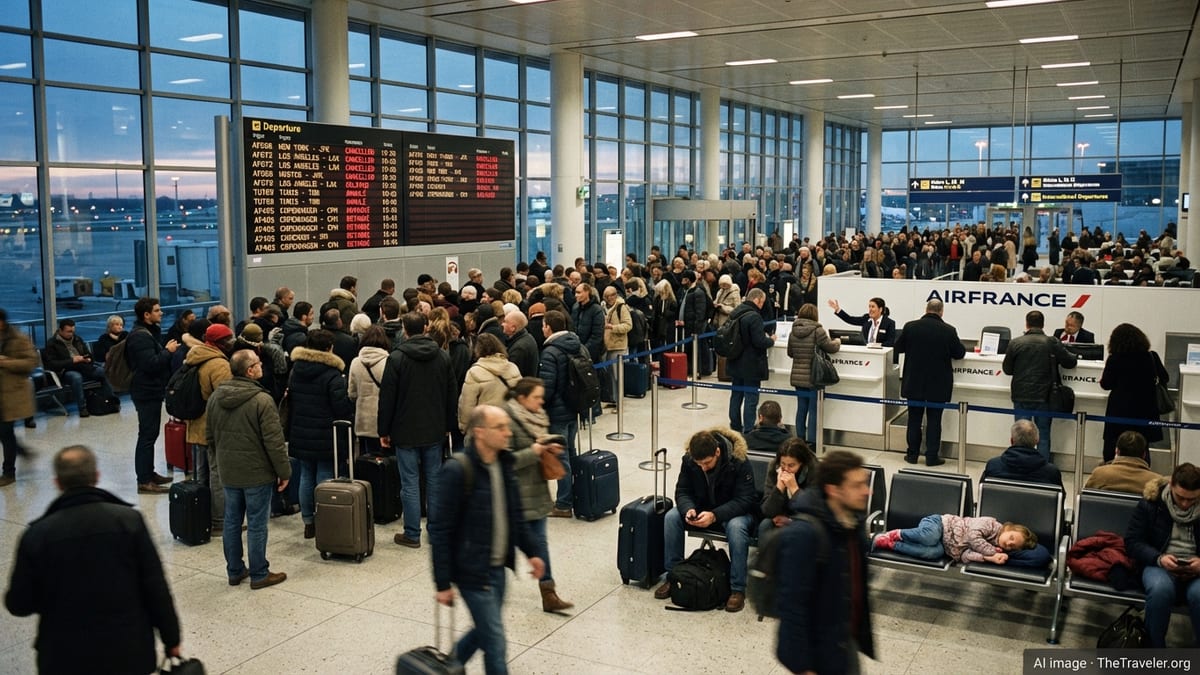
Wave of Cancellations Hits London’s Busiest Airports
Operational data compiled on 8 and 9 June 2026 indicates that London Heathrow and London Gatwick have emerged as two of the hardest hit hubs in a fresh bout of flight disruption sweeping European airspace. Monitoring by multiple aviation trackers and specialist travel outlets shows that, combined, the two airports saw more than 80 flights removed from schedules in this period as airlines scrambled to cope with weather, staffing bottlenecks and wider network imbalances.
At Heathrow, cancellations have primarily affected short and medium haul services linking the United Kingdom with key European gateways, alongside select long haul departures to North America and Asia. Gatwick, a major base for leisure carriers and low cost airlines, has seen a cluster of axed flights to Mediterranean destinations and Atlantic islands, along with knock on disruption to long haul connections operated by international carriers.
Airlines including British Airways, KLM, easyJet and several leisure operators have all featured among the carriers registering cancellations or extended delays into and out of the London system, according to published operational tallies. With many flights running close to capacity at this point in June, even a modest percentage of cancelled services has translated into long queues at transfer desks and crowded gate areas as travelers attempt to secure alternative options.
Reports from European monitoring networks suggest that the London cancellations form part of a broader pattern of instability across the continent, with major hubs such as Amsterdam Schiphol, Paris Charles de Gaulle and Vienna also reporting significant delays and aircraft out of position.
Stranded Passengers Across Europe, the US and Asia
The immediate impact of the cancellations has been felt most acutely by passengers already en route or in transit, many of whom were depending on Heathrow and Gatwick as connection points between Europe, North America and Asia. Long haul services from London to major US gateways, including New York, Boston and West Coast hubs, have faced rolling delays as inbound aircraft and crews arrived late or were reassigned within airline networks.
In the opposite direction, travelers heading to London from cities such as San Francisco and Dallas have encountered disrupted itineraries as carriers adjusted schedules to cope with aircraft availability, according to recent flight status data and airline advisories. Similar challenges have appeared on routes linking London with Gulf hubs and onward Asian destinations, where tightly timed connections have been undermined by missed slots and late arriving feeder flights.
Within Europe, cancellations at Heathrow and Gatwick have rippled outward to secondary airports. Published coverage of conditions at Amsterdam and Dublin indicates that delayed departures from those hubs to London created further complications for passengers attempting to continue onward to North America and Asia, with some travelers forced into unplanned overnight stays or lengthy re routing via alternative cities.
On leisure routes, disruption to flights between London and island destinations has left holidaymakers particularly exposed. Strong winds in parts of the Atlantic region over the weekend led to a cluster of cancellations and diversions, including services operated by British and European carriers to and from London, compounding pressure on already stretched summer schedules.
Weather, Staffing and Network Strain Drive Disruptions
While no single cause explains the more than 80 cancellations at Heathrow and Gatwick, aviation analysts point to an overlapping set of pressures on airlines and airports. Localized bouts of adverse weather across parts of Western Europe in recent days have reduced runway capacity at short notice, forcing controllers to slow movements and compelling airlines to trim schedules or cancel individual rotations.
At the same time, published analyses of European operations in 2026 emphasize that many carriers are running with tight staffing margins following several years of fluctuating demand and recruitment challenges. Shortfalls in cockpit and cabin crew availability, as well as constraints in ground handling teams, mean that even relatively small delays can cascade into missed duty time limits, prompting airlines to cancel flights rather than risk regulatory breaches.
Network structure is also playing a role. Data from recent industry reports shows that major hubs such as London, Amsterdam and Paris are operating near capacity for much of the day, with little slack in slots or spare aircraft. When long haul services from North America or Asia arrive late, the knock on effect is felt quickly on connecting short haul sectors, particularly during morning and evening peaks when passenger volumes are highest.
In addition, ongoing airspace restrictions in parts of the Middle East and surrounding regions have lengthened some intercontinental flight times and shifted traffic flows, making it harder for airlines to absorb additional disruptions. Carriers that expanded aggressively into new long haul markets over the past two years are now more exposed to these network wide stresses.
Knock On Effects for Airlines and Schedules
The cancellations at Heathrow and Gatwick are feeding into a complex picture for airline operations across Europe and beyond. According to aggregated statistics published on 9 June, more than one hundred flights across several major European hubs were cancelled in a 24 hour window, with thousands more delayed, highlighting how quickly localized problems at one or two airports can spread through wider networks.
Legacy carriers such as British Airways and KLM, which depend heavily on London and Amsterdam for connecting traffic, face particular challenges when disruptions hit both their home hubs and key partner airports simultaneously. Aircraft may end up in the wrong place for subsequent rotations, and crew rosters can become misaligned with planned schedules, forcing further cancellations as airlines work to rebalance their fleets.
Low cost and leisure operators based at Gatwick are also vulnerable, as many rely on high aircraft utilization to keep fares competitive. When one or two rotations are lost in a day, the financial impact per aircraft can be significant, and there may be limited backup capacity to operate replacement services. Analysts note that this dynamic can lead airlines to consolidate lightly booked flights and cancel overlapping services on certain routes when disruption builds.
For the broader transatlantic market, interruptions to London services risk creating bottlenecks on already busy corridors between Europe and the United States. Industry observers point out that peak season demand, combined with aircraft delivery delays and earlier capacity reductions on some long haul routes, has left limited room for passengers to be re accommodated at short notice.
What Travellers Can Expect in the Coming Days
Travel industry observers caution that the pattern of disruption seen at Heathrow and Gatwick could persist intermittently over the coming days, particularly if unsettled weather continues to affect parts of Western Europe or if further strains emerge in air traffic control and airport staffing. With schools approaching summer holidays in several key markets, passenger numbers are expected to rise, leaving less flexibility within the system to absorb irregular operations.
Publicly available guidance from airlines and consumer groups continues to emphasize the importance of monitoring flight status closely via carrier apps and airport information screens before setting out for the airport. Passengers booked on itineraries involving tight connections at Heathrow or Gatwick are being advised in published commentary to allow additional time between flights where possible, or to consider more robust connection options through alternative hubs.
For those already affected by cancellations, current European passenger rights regulations entitle eligible travelers departing from the United Kingdom or European Union to assistance such as rebooking, refreshments and, in some cases, financial compensation, depending on the cause and length of disruption. Consumer advocates note that processing times for claims can be lengthy during periods of widespread disruption, and encourage passengers to retain documentation of delays and expenses.
As airlines and airports attempt to stabilize operations, industry analysts suggest that the events at Heathrow and Gatwick offer an early warning for the 2026 summer season. With high demand, constrained capacity and persistent external pressures on global aviation, further days of large scale disruption remain a distinct possibility for travelers on both sides of the Atlantic and across Asia.