


More news on this day
In the meeting rooms and hotel corridors of ASTA’s Northeast Summit, the liveliest conversations were not just about destinations, but about how travel advisors can sharpen their brands, protect revenue and keep pace with a fast-shifting marketplace.
Get the latest news straight to your inbox!
Brand Visibility Becomes the New Currency
Attendees traded notes on how quickly brand visibility has become as critical as product knowledge for travel advisors across the Northeast. Published agenda materials for the summit highlight sessions centered on defining a clear value proposition and standing out in a crowded field, and that focus carried into informal conversations among chapter leaders and front-line sellers.
Advisors compared tactics ranging from refreshed logos and taglines to niche specialization built around interests such as expedition cruising or multi-generational travel. Many described an increased willingness to invest in professional design support and targeted social campaigns, viewing those costs as essential rather than optional marketing spend.
There was also recurring discussion about the importance of personal branding for individual advisors inside larger host or consortia networks. Participants cited peer examples of advisors who have leaned into video, podcasts or educational webinars to build recognizable personalities that clients follow beyond a single booking cycle.
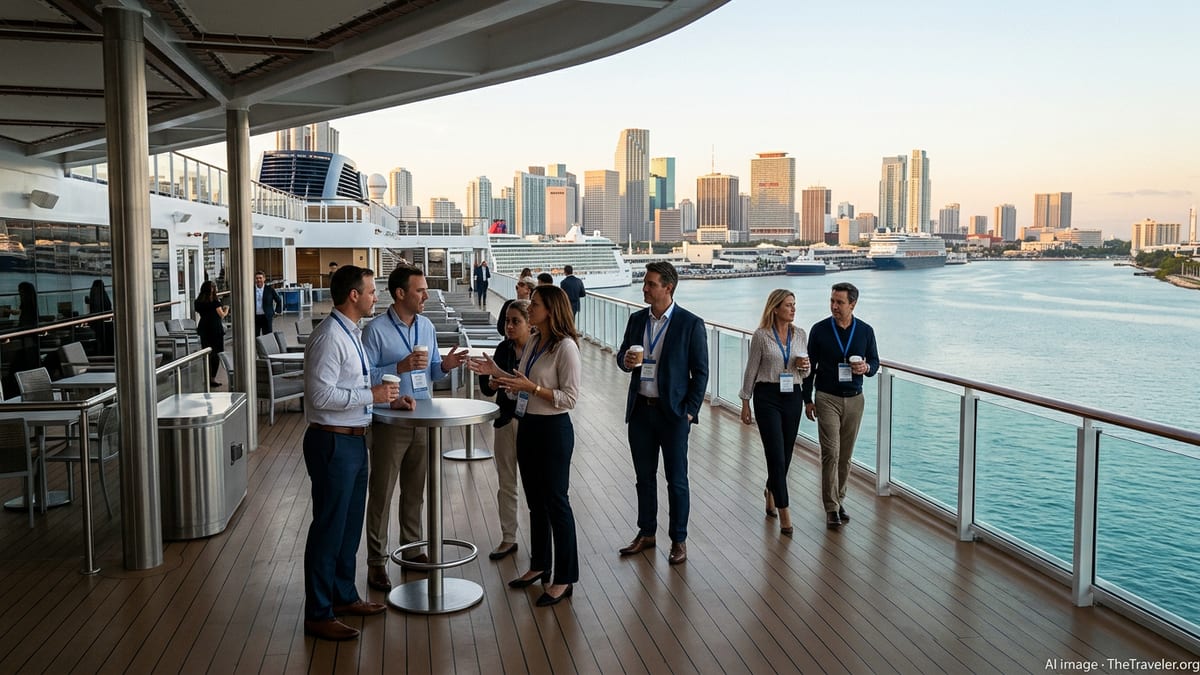
Some chapter representatives noted that the regional summit itself functions as a live branding laboratory, giving advisors a chance to test new messaging, introduce updated collateral and gather candid feedback from colleagues who understand the competitive landscape in major Northeast source markets.
Revenue, Fees and Supplier Alignment Under the Microscope
Another dominant theme in hallway conversations was revenue resilience. With supplier contracting, dynamic pricing and fluctuating commission structures in constant motion, many advisors used the summit to compare how they are safeguarding income and setting client expectations around professional fees.
Published ASTA materials in recent years have emphasized the association’s broader push to support advisor revenue through advocacy and education, and participants at the Northeast event appeared to be translating that guidance into practical tactics. Advisors discussed minimum planning fees for complex itineraries, retainer-style models for frequent travelers and clearer written explanations of what clients receive beyond ticketing.
There was also active chatter about aligning more strategically with preferred suppliers that demonstrate long-term support for the advisor channel. Some participants referenced shifting share toward partners with transparent commission policies and strong on-the-ground support, particularly in Europe and key long-haul destinations popular with Northeast travelers.
Several chapter leaders reported renewed interest in contracts and terms, with advisors reviewing force majeure language, cancellation policies and post-booking service commitments, aiming to reduce revenue leakage and protect client relationships when disruptions occur.
Practical Tech Wins Take Priority Over Shiny Objects
Technology talk at the summit, according to publicly available agenda descriptions and attendee recaps, skewed strongly toward practical solutions rather than experimental tools. Many conversations in common areas focused on incremental improvements that save time or reduce errors, rather than wholesale platform overhauls.
Advisors traded recommendations on workflow-friendly customer relationship management systems, integrated invoicing and document-delivery tools, and plug-ins that simplify comparison shopping without forcing clients into self-service booking. There was particular interest in tools that centralize communication histories, allowing advisors to track conversations across email, messaging apps and social media in one place.
Artificial intelligence appeared in the discussion less as a buzzword and more as a behind-the-scenes helper. Participants described using AI-driven tools for first-draft itinerary language, photo selection and social captions, but indicated they still view human curation as critical for destination nuance, brand tone and client fit.
Security and data stewardship were recurring subtopics. Advisors expressed concern about protecting client passports, payment details and medical notes, and many indicated that summit sessions prompted them to revisit password practices, two-factor authentication and secure document portals when they return to their agencies.
Leadership, Mentorship and Chapter Collaboration Gain Momentum
The Northeast Summit’s leadership focus shaped much of the informal “word on the street” as chapter officers and rising volunteers looked for ways to keep local communities engaged between major national events. Event listings for the gathering emphasize regional collaboration, and participants appeared eager to carry that spirit into the next membership cycle.
Conversations frequently returned to mentorship, with experienced advisors discussing how they are pairing with newer entrants to help navigate supplier relationships, service recovery and the emotional side of client management. Some chapters are exploring structured mentorship programs, while others rely on informal buddy systems sparked at events like the summit.
There was also discussion of how chapters can better share successful programming formats, from consumer nights and cruise showcases to training days focused on specific destinations or segments such as luxury or groups. Attendees noted that replicating proven event templates across multiple Northeast markets can stretch volunteer capacity and sponsor dollars further.
Leadership succession planning surfaced as a quiet but important thread. Chapter board members spoke about the need to identify future officers early, provide them with opportunities to lead small projects and ensure that institutional knowledge is documented so that chapter operations remain smooth through transitions.
Client Expectations Push Service Standards Higher
Finally, the conversations filtering through hotel lobbies and reception rooms underscored how quickly client expectations are changing in the post-pandemic travel environment. Advisors at the summit traded stories about travelers who are better informed, more digitally connected and quicker to compare service experiences across sectors, from hospitality to banking.
Many participants reported that clients now expect proactive communication about disruptions, clearer explanations of insurance and cancellation options, and more transparent pricing from the first proposal onward. Advisors described revising their welcome packets, confirmation templates and pre-trip briefings to anticipate common questions and reduce last-minute anxiety.
There was particular focus on how to balance personalization with boundaries. Advisors discussed setting office hours, response-time expectations and after-hours policies while still delivering the high-touch service that differentiates human advisors from online booking engines. Some indicated they are adding service tiers, giving clients the option to pay for elevated access or concierge-style support.
Across these conversations, the shared sentiment was that the ASTA Northeast Summit serves as a real-time barometer of the region’s travel trade: a place where trends become tangible through peer experience, and where the “word on the street” helps advisors adjust course before the next busy season arrives.