


More news on this day
World Cup 2026 is not only filling stadiums across North America but also spilling out to sea, as Royal Caribbean prepares to show every match live across its global cruise fleet and transform pool decks and theaters into floating fan zones.
Get the latest news straight to your inbox!
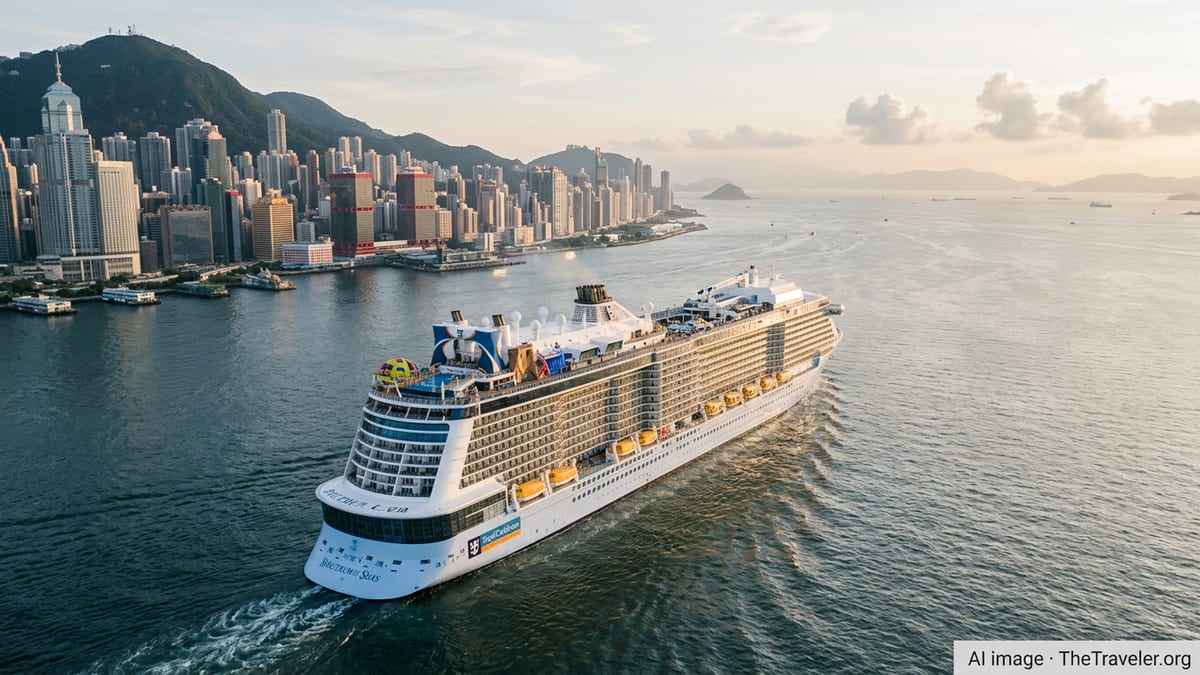
Every match, every ship, all summer
Royal Caribbean is positioning its ships as an offshore extension of the World Cup 2026 fan experience, pledging to broadcast every one of the tournament’s 104 matches live on all 30 ships in service. The company’s partnership information states that games will be carried via Sport 24 special event channels, giving passengers access to real time coverage regardless of where their itinerary takes them between June 11 and July 19.
Publicly available details show that the coverage will reach well beyond cabin televisions. Matches are set to be screened in high energy venues such as Playmakers Sports Bar & Arcade, as well as on giant outdoor screens in spaces like the AquaTheater, Studio B and the multi level Two70 lounge. That approach reflects a deliberate effort to turn key areas of each ship into communal viewing hubs rather than leaving sports fans to seek out lone bar screens.
The timing is significant for both the cruise line and its passengers. The men’s World Cup runs almost in parallel with peak summer cruise season, particularly in the Caribbean and Europe, when family travel and multigenerational groups dominate bookings. By confirming that the full tournament will be available at sea, Royal Caribbean is attempting to remove one of the main hesitations some travelers have about cruising during a major sporting event: the risk of missing live games.
From stadiums to sea: Miami partnership boosts visibility
The push at sea coincides with a broader onshore strategy. Royal Caribbean has been named the official Miami World Cup 2026 Host City Supporter through a partnership with the local host committee, creating a direct link between the tournament’s South Florida festivities and the company’s long established homeport at PortMiami. Public materials on the partnership highlight plans for fan events, entertainment and live screenings of matches on giant screens in the city.
That dual presence on land and sea is expected to help the brand capture travelers flying into South Florida for matches at Hard Rock Stadium, as well as cruise guests who are already using Miami as a gateway for Caribbean itineraries. Industry coverage notes that Miami is one of the key hubs for Royal Caribbean’s newest ships, including the heavily marketed Icon class, making the World Cup an opportunity to showcase upgraded entertainment and digital infrastructure.
The alignment also underscores how host cities and travel brands are increasingly treating the World Cup as a multi platform spectacle, spreading beyond the 90 minutes of play on the pitch. For Royal Caribbean, associating with Miami’s official tournament program adds a layer of civic visibility that complements the high profile broadcasts taking place onboard.
Onboard experience: from poolside big screens to late night kickoffs
For passengers, the most visible change will be how match days reshape the rhythm of life on board. Reports from Royal Caribbean focused cruise outlets describe plans for games to be shown on pool deck screens, in sports bars packed with jerseys and flags, and in theaters or lounges repurposed as viewing zones. On larger Oasis and Icon class ships, that can mean simultaneous screenings at multiple venues, accommodating different fan groups and languages.
With matches spread across host cities in the United States, Canada and Mexico, kickoff times will range from afternoon to late evening depending on itinerary and time zone. Cruise commentators indicate that late fixtures are likely to be shown in indoor venues such as sports bars and casinos, where staffing and lighting are easier to manage, while afternoon and early evening matches are expected to dominate the outdoor poolside schedule.
The line’s growing reliance on satellite broadband, including Starlink deployments on several ships, adds another layer to the experience. While the official broadcasts will come through Sport 24 feeds, passengers who purchase internet packages are expected to supplement the onboard programming by streaming alternative commentary, highlights and studio shows on their personal devices, turning quiet corners of the ship into ad hoc fan enclaves.
Competitive pressure as cruise lines chase football fans
Royal Caribbean is not alone in targeting fans of the global game, but its decision to commit to every match on every ship helps set a benchmark. Cruise industry news reports that MSC Cruises has already announced plans to show the full World Cup live across its fleet, while Norwegian Cruise Line has publicized a similar tournament wide broadcast commitment. Other premium brands, including Holland America Line and Disney Cruise Line, are expected to offer a mix of in cabin access and selected games in public spaces.
This level of coverage marks a shift from earlier tournaments, when passengers could not be certain which matches would be available at sea and often had to rely on patchy bar screenings or personal streaming workarounds. By tying their offers directly to the 2026 schedule, major operators are treating the World Cup as a core part of the summer entertainment line up, on par with big stage productions and destination driven shore excursions.
For Royal Caribbean, the emphasis on immersive fan experiences is consistent with its wider strategy of turning ships into all in one resort environments. The brand’s marketing around amplified ships already highlights large format screens, multi venue bar districts and flexible lounge spaces, all of which can pivot quickly to football viewing when the calendar demands it.
Booking patterns and itineraries shaped by the tournament
The availability of live World Cup coverage is expected to influence how some guests choose their sailings. Travel advisors and cruise forums are already flagging the tournament dates and suggesting that sports focused travelers consider itineraries that align with key matches, especially knockout rounds and the final scheduled for July 19 at MetLife Stadium in the New York metropolitan area. Caribbean and Bahamas sailings from East Coast ports during that period may see increased demand from fans seeking a combined beach and football getaway.
Royal Caribbean’s 2025 to 2026 deployment plans show a heavy concentration of seven night and shorter Caribbean cruises from Florida and Gulf ports, as well as summer programs in the Mediterranean and Northern Europe. With World Cup matches running on most days of the tournament, many guests will be able to board a ship, watch group stage fixtures during sea days, and disembark having followed the progress of their national team almost as closely as they could at home.
There is also potential for the tournament to drive onboard spending. Packed sports bars and extended operating hours around high profile fixtures tend to translate into higher sales of food and beverages, while themed activities, merchandise and photo opportunities give the entertainment teams additional revenue levers. By turning World Cup screenings into structured events rather than background programming, Royal Caribbean and its rivals are treating football as both a retention tool and a commercial asset.
As the 2026 World Cup gathers pace across North America, cruise ships are emerging as one of the more unexpected arenas for shared viewing. For Royal Caribbean, promising every game on every ship is as much a statement about the modern cruise product as it is a service to fans: wherever guests sail, the world’s biggest sporting tournament is now designed to follow them on board.