

France remains one of the world’s most visited countries, blending grand cities, coastal resorts and quiet countryside. For first-time visitors, though, the mix of rules, customs and practical details can be confusing. From new entry requirements to tipping etiquette and the reality of strikes, understanding a few fundamentals before you go will make your trip smoother and more enjoyable.
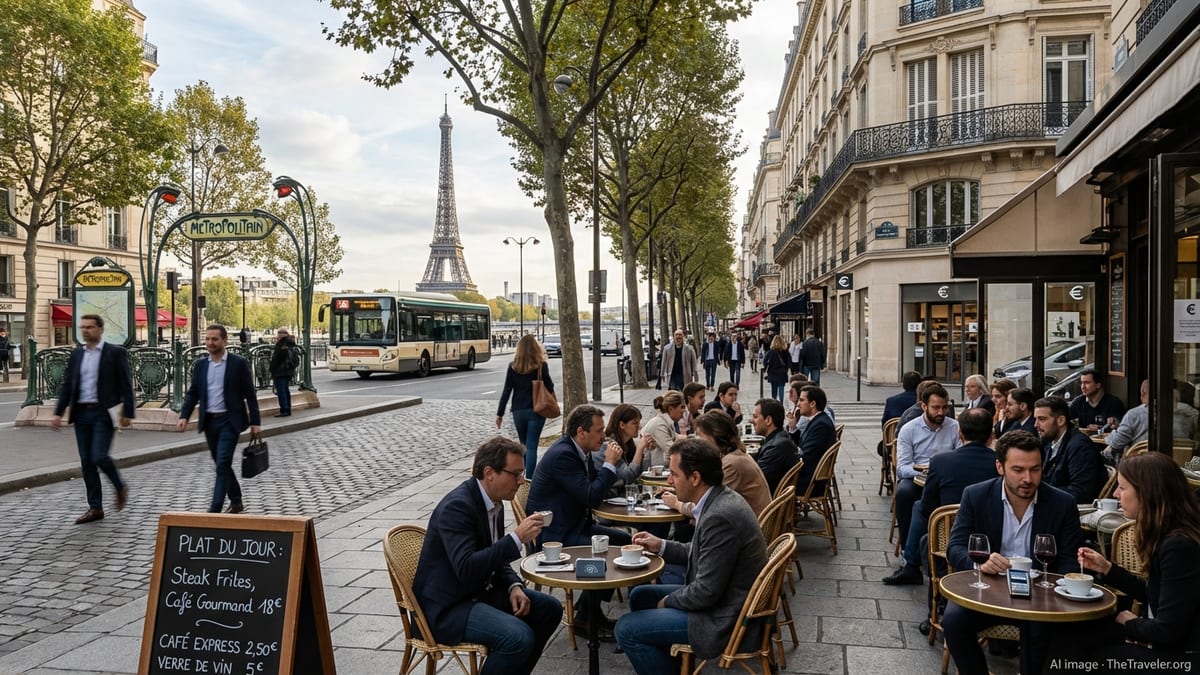
1. Entry Requirements and Visas Are Changing
France is part of the Schengen Area, which means that for many travelers, short stays are relatively straightforward. Most visitors from countries such as the United States, Canada, the United Kingdom and Australia can currently enter visa free for tourism or business for up to 90 days within any 180 day period, provided they hold a valid passport and can show proof of onward travel and sufficient funds if asked at the border. Travelers from other regions may need a Schengen visa in advance and should check the latest rules for their nationality well before departure.
From 2026, visitors who do not need a visa, including many North American and other non European travelers, will be required to obtain a digital travel authorization known as ETIAS before arriving in France. ETIAS is not a full visa but a pre travel security check that links electronically to your passport and is verified when you cross an external Schengen border. It is expected to be completed online, typically in a few minutes for most applicants, but you should still apply at least several days before your trip in case of delays or requests for additional information.
Regardless of where you are from, your passport should be valid for at least three months beyond your planned departure from the Schengen Area, and many airlines insist on six months’ validity as a condition of carriage. Border officials may also ask about your accommodation, travel insurance and return ticket, particularly if you are arriving without a set itinerary. Keeping digital copies of key documents and confirmation emails on your phone or printed in a small folder can speed up questions at passport control.
It is also important to understand how the 90 days in any 180 day rule works, especially if you plan to visit several European countries in one extended trip. Time spent in any Schengen member state, not just France, counts toward your total. If you overstay, you can face fines, entry bans or problems on future trips. Simple online Schengen calculators can help you track your days, but when in doubt, plan conservative dates and avoid trying to cut your departure too close to the legal limit.
2. Money, Payments and the Real Cost of Visiting
France uses the euro and cash is still widely accepted, though urban life is increasingly card friendly. In cities such as Paris, Lyon and Marseille, you can expect to pay by card in most shops, restaurants and transport systems, including contactless payments for metro and bus tickets. In smaller towns and rural areas, however, some bakeries, cafés and markets still prefer cash or set a minimum spend for cards, so carrying a mix of payment options remains helpful. ATMs are common in city centers and larger villages, usually attached to banks.
When paying by card issued outside the eurozone, you may occasionally be offered the choice to be charged in your home currency instead of euros. This so called dynamic currency conversion often comes with a poorer exchange rate than your bank would apply. Whenever you see the option, choosing to pay in euros is usually better value. It is also wise to let your bank know about your travel dates, and to bring at least one backup card stored separately from your main wallet in case of loss or malfunction.
France is not a budget destination, but costs vary sharply between regions. Paris and the French Riviera command some of Europe’s highest hotel and restaurant prices, particularly during school holidays, major trade fairs and summer events. Smaller inland cities and rural regions, from Burgundy’s wine villages to the Dordogne’s river towns, are typically more affordable, especially outside peak season. Booking flexible rates early, staying outside the most famous neighborhoods and eating your main meal at lunch, when fixed price menus are common, can significantly reduce your daily spending.
Tipping culture is more restrained than in North America. By law, restaurant and café prices include a service charge, often indicated as “service compris” on the menu or bill. Locals may add a small token amount, such as rounding up the bill or leaving a few extra coins for good service, but a large percentage tip is not expected. In touristy areas, handheld payment terminals may prompt you to add 10, 15 or even 20 percent. You are under no obligation to follow these suggestions; a modest gratuity is considered generous, and in many everyday situations, no extra tip at all is perfectly acceptable.
3. Language, Etiquette and Everyday Interactions
French is the official language throughout France, and while English is widely spoken in major cities, tourist zones and international businesses, you should not assume that every waiter, taxi driver or shop assistant will be fluent or comfortable using it. Opening a conversation with a simple “Bonjour” or “Bonsoir” followed by “Parlez vous anglais, s’il vous plaît” sets a more respectful tone than launching directly into English. Even if your French is limited to greetings and a few phrases, making the effort is often rewarded with warmer interactions.
Politeness is a central part of everyday life. When you enter small shops, cafés or hotel lobbies, it is customary to greet staff and sometimes other customers with “Bonjour” and to say “Au revoir” or “Bonne journée” when leaving. Using “s’il vous plaît” and “merci” liberally is more than good manners; it signals that you understand and respect local norms. Conversely, failing to greet staff, especially in smaller, more traditional establishments, can be seen as abrupt or rude, even if you do not intend it that way.
Dining etiquette in France can feel more formal than in some countries. Meals are often viewed as social occasions rather than purely functional refueling stops. It is common to order a full sequence of courses at lunch or dinner, linger at the table and avoid asking for the check until you are truly ready to leave. Servers rarely rush diners or bring the bill unprompted, so if you are on a schedule, politely ask “L’addition, s’il vous plaît” when you need to go. Splitting bills table side with multiple cards is usually possible in larger restaurants but can be awkward in very small or busy places; having one person pay and settling among yourselves later may be smoother.
Dress style in France leans toward understated and neat rather than overtly casual. You do not need designer fashion, but clean, well fitting clothes in neutral colors help you blend in more easily than athletic wear or beach outfits away from the coast. In churches and some formal venues, covering shoulders and knees is appreciated, and large backpacks, loud conversations and eating on the go can draw disapproving looks, particularly inside historic or religious sites. Observing how locals behave in a given setting is usually a good guide to what is appropriate.
4. Getting Around: Trains, Metros and Strikes
France has one of Europe’s most extensive rail networks, making it relatively easy to combine several regions in a single trip without renting a car. High speed TGV trains link Paris with major cities such as Lyon, Bordeaux, Marseille and Lille in a matter of hours, while regional TER lines connect smaller towns and countryside destinations. Booking long distance tickets ahead of time often yields significantly lower fares, especially on popular routes and during busy holiday periods. For short regional hops, advance savings can be more modest, and buying on the day is sometimes fine.
Within cities, public transport is generally efficient. Paris in particular has a dense metro system, complemented by RER commuter trains, buses and trams. Ticketing has modernized in recent years, with contactless payments and rechargeable cards increasingly replacing old style paper tickets. Even so, it is important to validate your ticket or pass when required, whether by tapping in at barriers or using small validation machines on platforms and buses. Fare inspections are common and fines for riding without a valid ticket can be steep, payable on the spot in many cases.
One aspect that often surprises visitors is the frequency and impact of strikes, particularly in transport. Rail workers, air traffic controllers and urban transport staff periodically stage industrial action that can disrupt trains, flights, metros and buses. Sometimes the effect is limited, with most services running and only certain lines affected. At other times, especially during large nationwide strikes, schedules can be heavily reduced and travel days become complicated. Dates are usually announced in advance, but details of which services will run often emerge only a day or two before.
To cope with this reality, build a margin of flexibility into your itinerary. Avoid planning extremely tight connections on days when strikes are announced, and try not to schedule crucial long distance journeys or airport transfers very late at night when alternatives are scarce. Monitor local news and transport operator updates as your travel dates approach, and consider booking accommodation that can be cancelled or changed without heavy penalties. If a strike coincides with your trip, staying patient, starting early and having back up plans such as buses, car rentals or even revised sightseeing days will help you adapt without too much stress.
5. Safety, Scams and Seasonal Crowds
Overall, France is considered a relatively safe country for travelers, with low levels of violent crime in most tourist areas. That said, petty theft and pickpocketing do occur, particularly in crowded places such as metro lines, busy squares, outdoor markets and major sights including the Eiffel Tower, Montmartre and large train stations. Thieves often work in teams and target distracted visitors handling phones, cameras or wallets. Keeping bags zipped, wallets in interior pockets and phones out of back pockets can reduce your risk significantly.
Common scams range from attempts to distract you while an accomplice steals your belongings to small cons involving fake petitions, friendship bracelets or unofficial ticket sellers near attractions. A general rule is to be cautious of unsolicited approaches, avoid signing documents you do not understand and decline offers that sound strangely urgent or generous. Official staff and inspectors are typically clearly identified, and legitimate ticket sales take place in recognizable booths, machines or within the grounds of known institutions rather than on street corners.
France has experienced occasional protests and demonstrations in recent years, some of which have led to disruptions or clashes with police in city centers. These events are generally predictable and heavily managed, but they can temporarily affect public transport, traffic and access to certain areas. If you come across a large gathering or see police cordons forming, it is usually wise to take a different route and avoid lingering. Staying informed via hotel staff, local media or official announcements will help you steer clear of disruption while you explore.
Seasonality also shapes the travel experience. July and August bring peak crowds, especially in Paris, along the Mediterranean coast and in popular mountain regions. Prices are higher, queues at major sights are longer and accommodation, especially family friendly options, can sell out months ahead. Shoulder seasons in late spring and early autumn often offer a better balance of pleasant weather and manageable visitor numbers. In winter, cities are quieter outside of holiday periods, but some coastal resorts and rural areas may limit schedules or close entirely, which can affect restaurant choice and public transport frequency.
6. Food, Drink and Dining Traditions
French cuisine is central to the country’s identity, and eating well is one of the great pleasures of a trip. Beyond iconic dishes and pastries, what often stands out to visitors is the rhythm of daily food culture. Breakfast is typically light, perhaps a croissant or tartine with coffee, while lunch and dinner can stretch over multiple courses, especially on weekends or special occasions. Many restaurants offer a fixed price menu at lunchtime that represents better value than ordering à la carte, and these menus often highlight seasonal ingredients and regional specialties.
Meal times tend to be more structured than in some countries. Outside of large cities and tourist zones, you may find that restaurants open for lunch around midday and close by mid afternoon, then reopen for dinner from about 7 or 7:30 in the evening. Turning up at 5 o’clock expecting a full menu is a common source of frustration for visitors, as kitchens are usually closed and staff are preparing for the evening service. Planning your day around local meal times, or seeking out brasseries and cafés that serve food continuously, can prevent hunger induced disappointment.
Tap water in France is generally safe to drink, and you can ask for a carafe d’eau in restaurants rather than buying bottled water if you prefer. Wine lists often feature both well known appellations and more affordable regional bottles; house wines by the glass or carafe can be excellent value. Drinking alcohol in moderation with meals is part of local culture, but public drunkenness is frowned upon, and many bars and restaurants will refuse service to visibly intoxicated customers. Non alcoholic options, including syrups with sparkling water, regional fruit juices and elaborate coffee drinks, are widely available.
If you have dietary restrictions, planning ahead is important. Vegetarian dishes are increasingly common, especially in cities, but vegan and gluten free options may still be limited in traditional restaurants. Learning key phrases such as “sans viande” for without meat or “allergique à” for allergic to, and being prepared to explain your needs clearly, will help. In major urban areas, dedicated vegetarian and specialty cuisine restaurants are easier to find, while in smaller towns, markets and supermarkets can be useful for picking up suitable snacks and picnic supplies.
7. Respecting Culture, Regions and the Environment
France is often imagined as a single, unified destination centered on Paris, but in reality it is a mosaic of regions with distinct histories, languages, landscapes and identities. From the Breton coast to the Provençal countryside, from the vineyards of Champagne to the mountains of the Alps and Pyrenees, local pride runs deep. Taking time to learn about the specific region you are visiting, its traditional dishes, festivals and customs, adds depth to your trip and helps you avoid treating the country as a one size fits all backdrop for the same experiences.
Many French people are proud of their cultural heritage and appreciate visitors who show an interest in local arts, music, literature and history. Visiting smaller museums, attending concerts or village festivals, and exploring neighborhoods beyond the main tourist circuits can create more meaningful encounters. Simple gestures such as ordering regional specialties, asking shopkeepers about artisan products or acknowledging bilingual signage in local languages like Breton, Occitan or Basque demonstrate curiosity and respect.
Environmental awareness has become increasingly important in French public life. National parks, coastal dunes, alpine meadows and rural landscapes are subject to rules intended to protect fragile ecosystems. Staying on marked trails, taking your litter with you, using refillable bottles and respecting bans on lighting fires or wild camping in certain areas are not only legal requirements but also contributions to preserving the places you have come to enjoy. In cities, using public transport, cycling schemes and walking instead of relying on taxis for short distances similarly reduces pressure on urban environments.
Finally, remember that as a visitor you are entering spaces where people live and work, not just curated tourist stages. Keeping noise levels down in residential buildings, respecting closing times, avoiding intrusive photography of individuals without consent and being patient when language barriers arise will all be noticed. France welcomes millions of tourists each year, and those who approach the country with a spirit of humility and genuine interest in local life often find their experiences enriched in return.
The Takeaway
Preparing for a trip to France involves more than booking flights and hotels. Understanding upcoming entry rules, getting comfortable with euros and subdued tipping customs, recognizing the role of language and politeness, and anticipating how public transport and occasional strikes work will make day to day life smoother. Staying alert to petty crime without becoming anxious, timing your visit to balance crowds and climate, and approaching food, culture and regional identities with curiosity all help transform a simple vacation into a more rewarding journey.
No guide can anticipate every detail, and part of the pleasure of travel lies in unexpected encounters and discoveries. Yet arriving with a solid grasp of the essentials frees you to enjoy those surprises without being derailed by avoidable problems. With a little preparation, you can step off the plane ready not only to see France’s famous landmarks but to navigate its routines with confidence and a sense of connection.
FAQ
Q1. Do I need a visa to visit France for a short trip?
Most travelers from visa exempt countries, including the United States, Canada, the United Kingdom and Australia, can visit France visa free for up to 90 days within a 180 day period for tourism or business. Travelers from other countries may need a Schengen visa and should check current requirements well before they plan to travel.
Q2. What is ETIAS and when will I need it for France?
ETIAS is a forthcoming electronic travel authorization for visitors from visa exempt countries who wish to enter the Schengen Area, including France. It is expected to become mandatory in 2026 for short stays and will require an online application before departure, but it will not replace a full visa for those who already need one.
Q3. Is France a cash or card country?
Both are widely used. In cities and tourist areas, cards and contactless payments are accepted almost everywhere, while in small towns, markets and some cafés, cash is still preferred. Carrying a mix of payment options is the most practical approach.
Q4. How much should I tip in French restaurants and cafés?
A service charge is included in menu prices, so tipping is never strictly required. Locals often just round up the bill or leave a small amount for good service, and leaving a large percentage, such as 20 percent, is unusual outside very upscale settings.
Q5. How safe is France for tourists?
France is generally safe, with violent crime against visitors relatively rare in major tourist areas. The main concern is petty theft in crowded places, so using common sense measures such as keeping valuables secure and staying alert in busy transport hubs goes a long way.
Q6. Are strikes really common and how can they affect my trip?
Strikes by rail workers, air traffic controllers and city transport staff occur periodically and can disrupt schedules. They are usually announced in advance, so checking the news and transport updates, allowing extra time and keeping your plans flexible on affected days will help you manage any changes.
Q7. Can I drink tap water in France?
Yes, tap water is generally safe to drink throughout France unless local authorities specify otherwise. In restaurants, you can request a free jug of tap water by asking for a carafe d’eau instead of ordering bottled water.
Q8. What is the best time of year to visit France?
Spring and early autumn often provide the best balance of mild weather and manageable crowds. Summer brings long days and lively festivals but also higher prices and more visitors, while winter can be atmospheric in cities and mountain resorts but quieter in some coastal and rural areas.
Q9. Do I need to speak French to travel around France?
You can travel successfully with limited French, especially in major cities and tourist destinations where many people understand at least some English. However, learning basic phrases and using polite greetings dramatically improves interactions and shows respect for local culture.
Q10. Is public transport better than renting a car?
For trips focused on cities and major towns, trains and local public transport are usually efficient and convenient. Renting a car becomes more useful if you plan to explore rural regions, small villages or areas with limited rail and bus services, but driving and parking in big cities can be stressful and expensive.