


More news on this day
Aegis Travel Insurance is expanding its footprint in the fast‑evolving travel protection market with new coverage aimed at travelers whose plans center on a single ticketed event, promising reimbursement when concerts, matches or shows are canceled.
Get the latest news straight to your inbox!
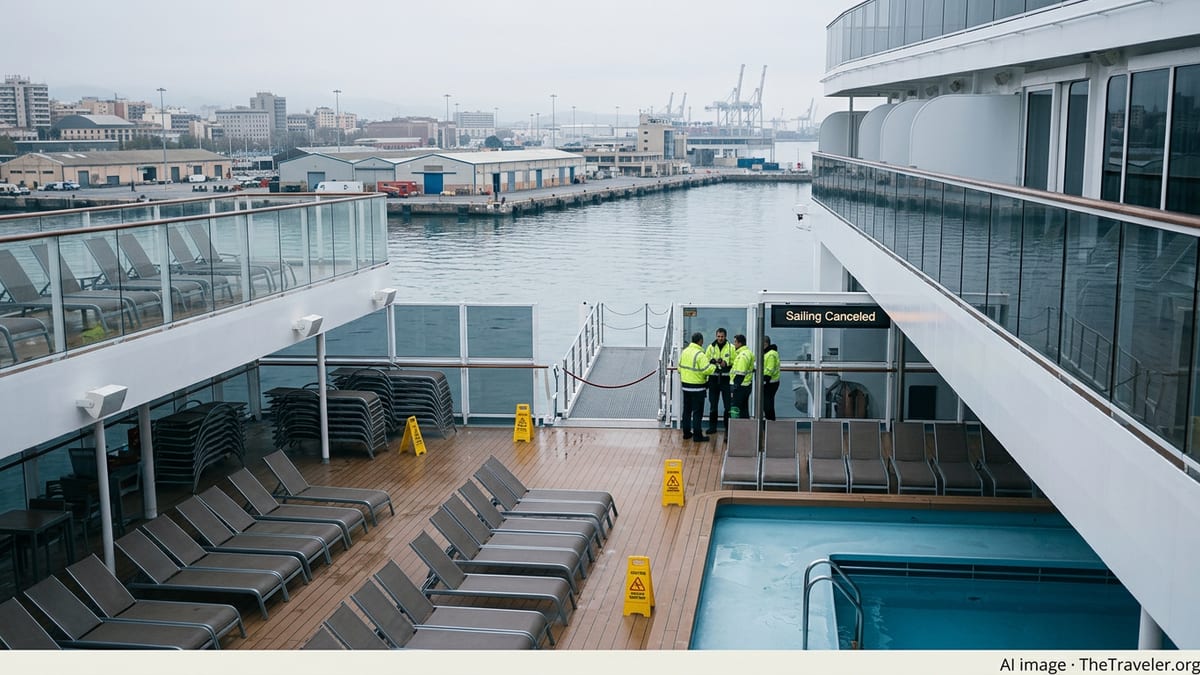
New focus on event-driven travel
Publicly available information indicates that Aegis has introduced coverage specifically tailored to trips built around a primary ticketed event, such as a concert, theater performance or sporting fixture. The move targets travelers who often spend more on flights and hotels than on the event ticket itself, but who may struggle to recover those ancillary costs when an event is called off.
According to recent product descriptions, the coverage is structured to reimburse prepaid, nonrefundable trip expenses when the main event is canceled for a covered reason. That can include airfare, hotel stays and certain prepaid tours tied to the dates of the event, provided travelers purchased coverage before the cancellation became foreseeable.
The development comes as consumers increasingly organize travel around time‑sensitive experiences, from global tours by high‑profile artists to once‑in‑a‑generation sporting events. Industry comparisons suggest trip cancellation has become one of the most scrutinized benefits, with travelers seeking clarity on when they can reclaim costs if a key experience does not go ahead as planned.
How Aegis event cancellation coverage works
Policy summaries show that Aegis positions its event‑focused protection as an extension of traditional trip cancellation benefits, which typically reimburse 100 percent of insured trip cost when a covered disruption prevents departure. In the case of event‑driven travel, that disruption is defined around the cancellation of the primary ticketed event, rather than an illness, weather disruption or other conventional trigger.
Under the new structure, travelers insure the prepaid, nonrefundable components of their trip that are directly connected to attending the event. If the organizer cancels the event and the situation meets the policy’s covered criteria, Aegis coverage is designed to help travelers recoup those expenses, subject to stated limits and exclusions.
Available documentation indicates that the coverage is not designed to protect the face value of event tickets when organizers or ticketing platforms already offer refunds or credits. Instead, it focuses on the surrounding travel arrangements that are often harder to recover, particularly when bookings were made on restrictive airline fares or nonrefundable hotel rates.
As with other Aegis offerings, the event‑driven protection sits alongside broader benefits such as trip interruption, travel delay, baggage coverage and emergency medical assistance on certain plans. Travelers selecting an event‑centric option are generally encouraged by published guidance to match their coverage level to the total nonrefundable amount at risk.
Positioning within the wider travel insurance market
The introduction of event‑cancellation trip coverage places Aegis in a competitive segment where insurers are looking for ways to differentiate beyond standard medical and delay benefits. Market analyses from consumer finance outlets describe Aegis as a mid‑priced provider whose comprehensive plans consistently emphasize strong trip cancellation and interruption limits, and the new event‑focused protection appears to extend that strategy.
Comparisons with other providers show that several competitors offer broad Cancel For Any Reason upgrades, which typically come at a higher cost and reimburse only a portion of trip expenses if travelers back out for non‑specified reasons. Aegis’s event‑linked approach instead concentrates on a narrower set of triggers tied to the cancellation of the main attraction, which may appeal to travelers seeking targeted protection at a lower premium than full discretionary cancellation options.
Industry commentary also notes that distributors are paying closer attention to event‑driven policies as partners in sectors such as ticketing, festivals and sports hospitality look to bundle travel cover with their core offerings. Recent promotional materials highlight Aegis’s travel and event cancellation division working with third‑party platforms to embed coverage at the point of sale, positioning the company to capture demand from customers booking both tickets and travel in a single transaction.
Observers suggest that this alignment between event organizers, ticketing partners and insurers could reshape how travelers buy protection, moving away from generic add‑ons and toward plans tailored to the specific nature of a trip.
What travelers should know before buying
While the new coverage is marketed around canceled events, policy documents emphasize that benefits only apply when the cancellation meets the definition of a covered event and when travelers have complied with all conditions. That typically includes purchasing the policy shortly after making the first trip payment, insuring the full value of nonrefundable costs and providing documentation of the event cancellation.
Publicly available sample certificates underscore that exclusions and limitations still apply. For instance, cancellations due to situations that were known or reasonably foreseeable at the time of purchase may not qualify, and benefits can be reduced or denied if the traveler receives refunds or credits from airlines, hotels or event organizers. Travelers are also advised in published materials to review whether weather‑related disruptions, strikes or venue changes fall under trip cancellation, trip interruption or travel delay sections of the policy.
Consumer advocates generally recommend that travelers carefully read the schedule of benefits and coverage definitions before purchasing any travel insurance, with particular attention to how an insurer defines a covered event and what proof is required. This guidance is viewed as especially important for event‑driven trips, where multiple parties, including ticket vendors and tour operators, may offer overlapping or partial refunds.
Travelers comparing Aegis with other insurers may find that premium levels vary based on trip cost, traveler age, destination and coverage limits. While event‑related protection can provide peace of mind for high‑value itineraries centered on a single performance or match, analysts suggest that buyers should weigh the cost of the policy against the likelihood and potential financial impact of cancellation.
Rising demand for protection around major events
The launch of dedicated coverage for event‑driven travel follows a period in which large‑scale cancellations have become more prominent in traveler decision‑making. High‑profile disruptions, from postponed concerts to weather‑affected festivals, have highlighted the financial risk of planning entire trips around one scheduled experience.
Industry data show that travel insurance sales often spike during years with major sporting tournaments, headline concert tours or rare natural phenomena that attract visitors to specific locations. In these settings, accommodation and airfare prices can rise sharply, magnifying the potential loss if the central event does not proceed.
Analysts note that the new Aegis offering appears designed to capture this demand by promising a more precise fit between the reason for travel and the structure of coverage. By explicitly linking trip cancellation benefits to the status of a primary ticketed event, the product aims to address a concern that traditional policies were not always perceived to handle clearly.
Whether the approach becomes a template for other providers remains to be seen, but early positioning suggests that event‑specific coverage is emerging as a distinct niche in the broader landscape of travel protection.