


More news on this day
Two international flight cancellations involving Air Canada and Air India from Seoul’s Incheon International Airport over the weekend have disrupted travel plans for passengers bound for Vancouver and New Delhi, underscoring the vulnerability of long haul routes during a busy late May travel period.
Get the latest news straight to your inbox!
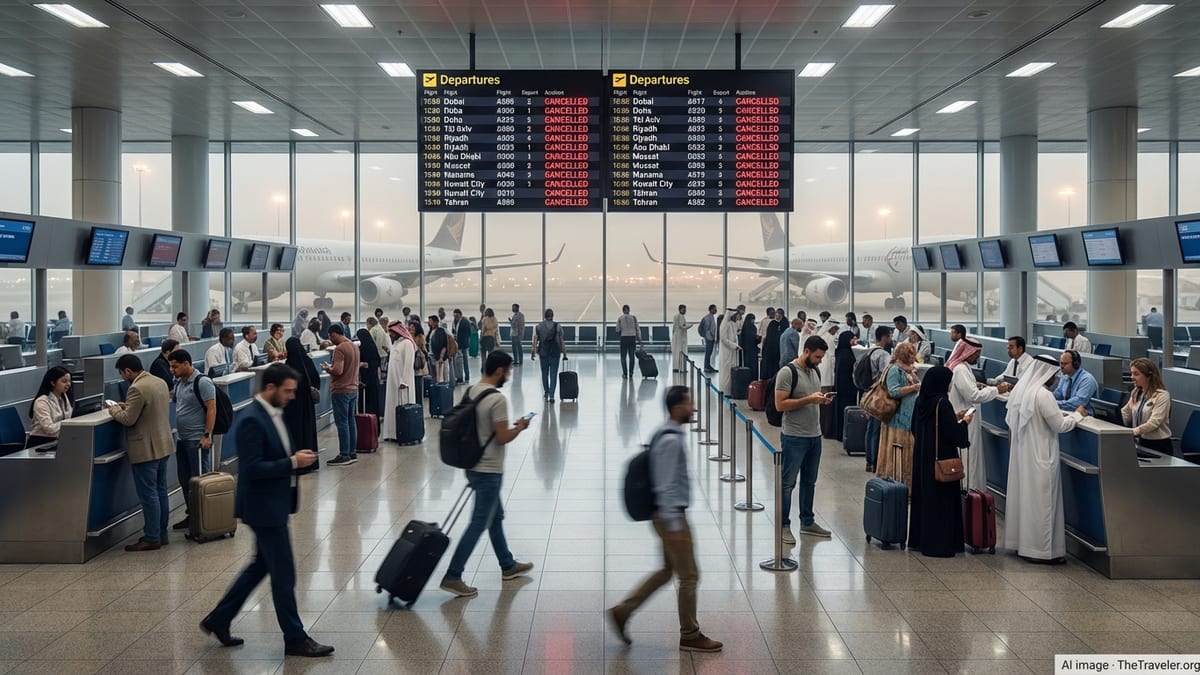
Seoul Incheon Passengers Face Abrupt Disruptions
According to flight tracking data and schedule information, separate long haul departures operated by Air Canada to Vancouver and by Air India to New Delhi were cancelled from Seoul Incheon, affecting passengers at one of Asia’s key transfer hubs. The disruptions occurred as demand through Incheon continues to rise in late May, with many travellers using the airport as a gateway between North America, South Asia and the wider Asia Pacific region.
Published coverage and publicly available timetable data show that the Seoul to Vancouver corridor is typically served by a limited number of non stop options, meaning a single cancellation can quickly reduce available capacity. Travellers on the New Delhi route similarly rely on a relatively small pool of direct or one stop itineraries between South Korea and India, amplifying the impact when a scheduled departure does not operate.
Passengers at Incheon reported needing to re arrange onward connections and overnight plans as they sought alternative routings through other Asian hubs or via Europe and the Middle East. The incident added to a broader pattern of schedule volatility that has been visible across multiple global carriers during the current travel season.
Knock on Effects for Vancouver and New Delhi Bound Travellers
The cancelled Air Canada service disrupted itineraries not only for origin and destination customers between Seoul and Vancouver, but also for those connecting onward to other North American cities. Vancouver International Airport functions as a significant transpacific hub, and one long haul cancellation can force rebookings across multiple subsequent domestic and regional legs.
For passengers heading to or from New Delhi, the Air India cancellation reduced direct lift on a route that links South Korea with one of India’s busiest international gateways. Many travellers on this sector are connecting to or from further domestic destinations across India, meaning missed links can cascade into missed family events, business meetings and group tours.
Reports indicate that some affected passengers were offered re routing via alternative hubs using a mix of partner and non partner airlines, while others opted to postpone trips entirely. In both cases, the cancellations increased pressure on remaining services during an already constrained period, further tightening seat availability and pushing some fares higher on last minute alternatives.
Operational Pressures at Flag Carriers Come Into Focus
The disruptions at Incheon arrive amid a period of operational strain for both Air Canada and Air India. Recent coverage of Air Canada’s network has highlighted pockets of cancellations and delays across its system as the carrier manages high demand, tight aircraft utilisation and broader industry challenges such as crew availability and fuel costs.
Air India, meanwhile, has been adjusting parts of its international network as it balances fleet deployment, ongoing refurbishment plans and airspace constraints on certain long haul corridors. Publicly available announcements and passenger accounts describe a mix of route reductions and selective suspensions on overseas sectors over the northern summer months, contributing to uncertainty for travellers planning complex itineraries.
In this context, the cancelled Seoul Incheon departures appear as part of a wider pattern in which airlines make short notice schedule changes when operational margins narrow. While each individual cancellation may be attributed to a specific factor such as aircraft rotation, technical checks or broader network realignment, the combined effect for passengers can be experienced as a general lack of reliability on long range routes.
Passenger Rights and Rebooking Options Vary by Jurisdiction
The impact of the Seoul cancellations for individual travellers has also depended on differing consumer protection regimes and airline policies. For itineraries touching Canada, travellers may look to national frameworks governing compensation and care in the event of cancellations, though entitlements can hinge on whether the cause is deemed within an airline’s control and whether alternative transportation is offered on a reasonable schedule.
For passengers ticketed on Air India to or from New Delhi, recourse is primarily shaped by the carrier’s own conditions of carriage and by applicable Indian and international aviation regulations. Publicly available guidance from the airline indicates that rebooking, refunds or travel credits may be available under certain circumstances, but experiences described by travellers suggest that outcomes can vary depending on booking channel, timing of notification and seat availability on alternate flights.
Travel advisers generally recommend that passengers confronted with a same day long haul cancellation act quickly to secure new seats, keep documentation of any additional costs and monitor both airline channels and airport displays for evolving options. Travel insurance coverage, where purchased, may also influence the financial consequences of disrupted journeys.
Broader Implications for Asia Pacific Long Haul Reliability
The twin cancellations involving Air Canada and Air India at Seoul Incheon highlight broader questions about the resilience of transpacific and South Asia networks as airlines push aircraft and crews to meet strong demand. Long range flights require tightly coordinated rotations, and a disruption on one sector can ripple across several days of schedules.
In the Asia Pacific region, where many routes operate only a few times per week, a single cancelled departure can effectively erase an entire day’s capacity on a city pair, forcing travellers into lengthy detours or multi day delays. This dynamic is especially pronounced on links that connect secondary markets via major hubs such as Incheon, Vancouver and New Delhi.
For now, published data and industry commentary indicate that airlines are continuing to refine their schedules, occasionally trimming or consolidating flights to stabilise operations. For passengers planning trips through Seoul and other major hubs, the experience at Incheon serves as a reminder of the value of flexible itineraries, robust contingency plans and close monitoring of flight status in the days leading up to departure.