


More news on this day
Air Canada travelers across North America and Europe faced a fresh wave of disruption after six flights were canceled and at least 43 more delayed, affecting journeys through Toronto, San Francisco, Chicago, Montreal, Naples and additional cities, according to publicly available flight-tracking data and media reports on recent operational challenges at the carrier.
Get the latest news straight to your inbox!
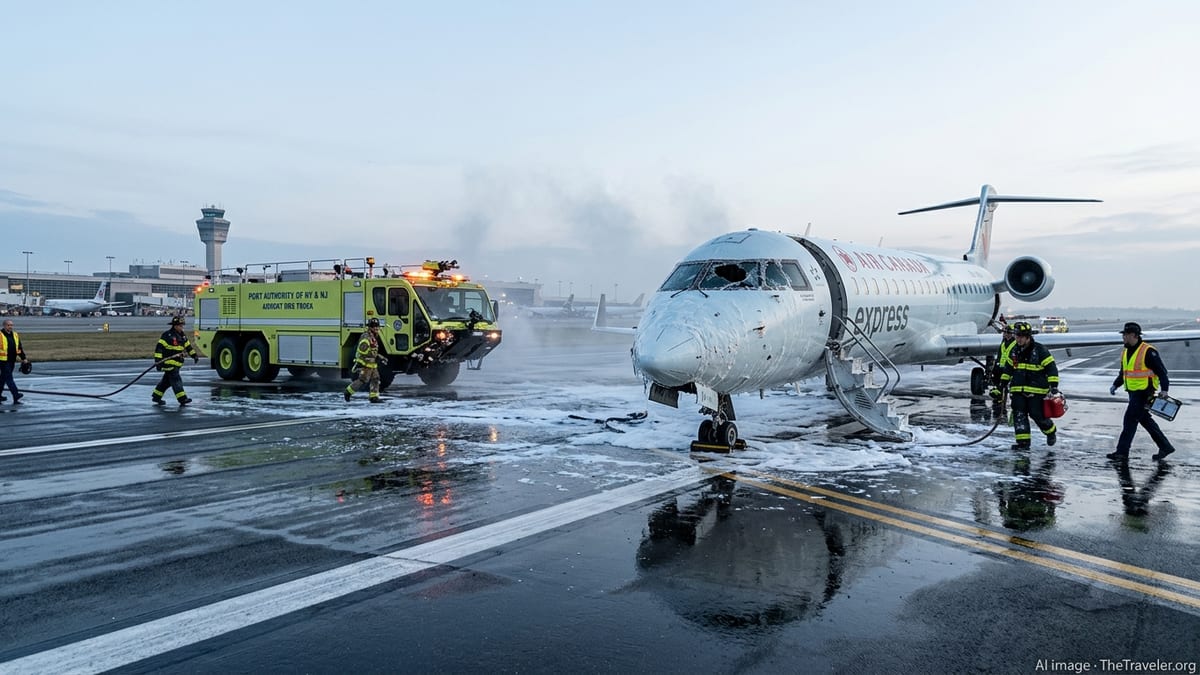
Targeted Cancellations Hit Multiple Hubs
Reports compiled from flight-status dashboards and aviation blogs indicate that a cluster of six Air Canada flights was canceled across the network, hitting key hubs including Toronto Pearson and Montreal Trudeau as well as international destinations such as San Francisco, Chicago and Naples. The cancellations were concentrated on transborder and transatlantic services, magnifying the impact on connecting itineraries.
Although the affected flights represent a small fraction of Air Canada’s daily schedule, the consequences were amplified because many of the routes link major hubs where aircraft and crews are tightly scheduled. Disruptions on these corridors can cascade across the network, pushing later departures off schedule and limiting aircraft availability for evening and overnight departures.
Published coverage of Air Canada’s recent schedule adjustments shows that the airline has already been trimming select services in 2026, including suspending several seasonal and lower-demand routes as jet fuel costs rise and operational pressures mount. In that context, the latest cluster of cancellations fits into a broader pattern of a carrier recalibrating capacity while still contending with day-to-day irregular operations.
Travel-industry analysis suggests that even a handful of cancellations on busy days can strand hundreds of passengers, particularly when cabins are already near full and options for same-day rebooking are limited. Travelers on affected flights in and out of Toronto and Montreal faced the greatest risk of missed onward connections to U.S. and European destinations.
Delays Ripple Through Toronto, Montreal and Beyond
In addition to outright cancellations, more than 40 Air Canada departures and arrivals were reported delayed across the network, with Toronto Pearson and Montreal Trudeau again emerging as focal points. Disruption data compiled by travel-compensation platforms and aviation news sites for this spring already show that Canada’s two busiest hubs have experienced several waves of delays linked to weather, air-traffic constraints and infrastructure bottlenecks.
Recent case studies of Canadian airport performance cite examples of days when well over 200 flights were delayed or canceled across the country’s major hubs, with Air Canada and WestJet bearing a significant share of the operational strain. Analysts note that when ground handling, baggage systems or air-traffic communications encounter problems in Toronto, the effects often spread to Montreal, Vancouver and regional airports within hours.
For this latest event, publicly available data suggest delays generally ranged from 45 minutes to several hours, with knock-on effects for passengers traveling onward to the United States and Europe. Connecting itineraries through Toronto to cities such as Chicago and San Francisco appeared particularly vulnerable, given the tight turnaround times typical on transborder flights.
Travel forums and passenger-rights organizations have documented growing frustration among some Air Canada customers who say recurring disruptions have complicated both business travel and long-planned holidays. Several consumer groups tracking 2026 flight data in Canada describe an environment in which minor operational issues can quickly snowball into widespread schedule disorder when airports are already operating near capacity.
International Routes to San Francisco, Chicago and Naples Affected
The disruption has been especially visible on high-profile international links. Flight-tracking platforms and recent airline operational summaries point to delayed or canceled Air Canada services into San Francisco and Chicago, two of the carrier’s most important U.S. gateways for both business and leisure traffic.
On the European side, published travel advisories and airline-focused commentary highlight that seasonal services to Mediterranean destinations such as Naples have been under particular scrutiny in 2026 as carriers reevaluate performance on leisure-oriented routes facing volatile demand and rising fuel costs. References in aviation-industry documents to a “Naples incident,” in which passengers were stranded after a cancellation, have become a touchpoint in ongoing discussions about how Air Canada handles irregular operations outside its Canadian hubs.
These disruptions come on top of broader network changes in which Air Canada has suspended or reduced frequencies on several international routes, including some Canada–U.S. city pairs, as part of a wider capacity reset. While those decisions are separate from same-day cancellations and delays, travelers encountering both structural schedule cuts and short-notice disruptions perceive a more fragile network overall.
Industry observers note that long-haul and transborder travelers are particularly exposed when a hub bank is affected. A canceled or significantly delayed flight from Toronto or Montreal to a city like San Francisco, Chicago or Naples can break carefully timed itineraries, forcing overnight stays and rebookings on alternative carriers when seats are scarce.
Underlying Pressures: Fuel Costs, Weather and System Strain
Aviation analysts point to a convergence of structural and short-term pressures behind Air Canada’s recent operational challenges. Published route announcements and industry commentary underscore that surging jet fuel prices in 2026 have already driven airlines to trim marginal routes and bring seasonal services to an early close, especially on thinner Canada–U.S. and sun-destination markets.
At the same time, reports from Canadian and U.S. travel outlets document multiple weather-related disruptions this year, including storms and low-visibility conditions that triggered widespread delays and ground stops along the U.S. East Coast and at major Canadian airports. On some of those days, large numbers of Air Canada and partner-airline flights were delayed or canceled, leaving aircraft and crews out of position for later rotations.
Technical and infrastructure issues have added to the strain. Accounts shared by airport workers and passengers describe recent examples of communications outages affecting flight plan filing and ground operations at Toronto Pearson, which slowed departures and contributed to persistent backlogs. Although such events are typically resolved within hours, the resulting delays can linger for much longer as airlines work through queues of waiting aircraft.
According to publicly available performance dashboards, these overlapping pressures have made it harder for carriers to recover quickly from disruptions. The combination of high load factors, tight staffing and busy summer schedules leaves little slack in the system, meaning that a relatively small number of cancellations or delays can propagate across the network.
What Travelers Through Affected Cities Should Expect
For passengers booked on Air Canada flights through Toronto, Montreal, San Francisco, Chicago, Naples and other affected cities, travel experts recommend monitoring flight status closely in the hours leading up to departure. Airline and airport data published during recent disruption events suggest that schedules can change multiple times in a short window as carriers juggle aircraft, crews and gate space.
Experience from similar irregular-operations days in 2026 indicates that missed connections are among the most common consequences when delays reach the 60 to 90 minute range. Travelers with tight layovers in Toronto or Montreal, particularly on itineraries connecting from domestic Canadian flights to U.S. or European services, may face rebookings onto later departures or different routings via alternative hubs.
Consumer-rights organizations tracking Canadian air travel emphasize the importance of understanding applicable rules on rebooking, refunds and care. In previous disruption waves, some Air Canada customers have contested denied compensation claims, arguing that causes such as maintenance or staffing were within the airline’s control. Regulators and advocacy groups continue to monitor how airlines apply passenger-protection frameworks when disruptions occur.
With fuel prices elevated and summer travel demand building, industry analysts anticipate that operational resilience will remain a central concern for Air Canada and its competitors. Travelers using busy hubs such as Toronto and Montreal, or flying on popular long-haul routes to the United States and Europe, may continue to experience occasional pockets of disruption even as airlines refine schedules and contingency plans.