


More news on this day
Travelers across both sides of the Atlantic faced a difficult start to the weekend as Icelandair scrubbed 10 flights and reported 17 delays, creating knock-on disruption at Reykjavik’s Keflavik hub and at major airports including Frankfurt, Berlin and Newark.
Get the latest news straight to your inbox!
Operational Issues Ripple Through Keflavik Hub
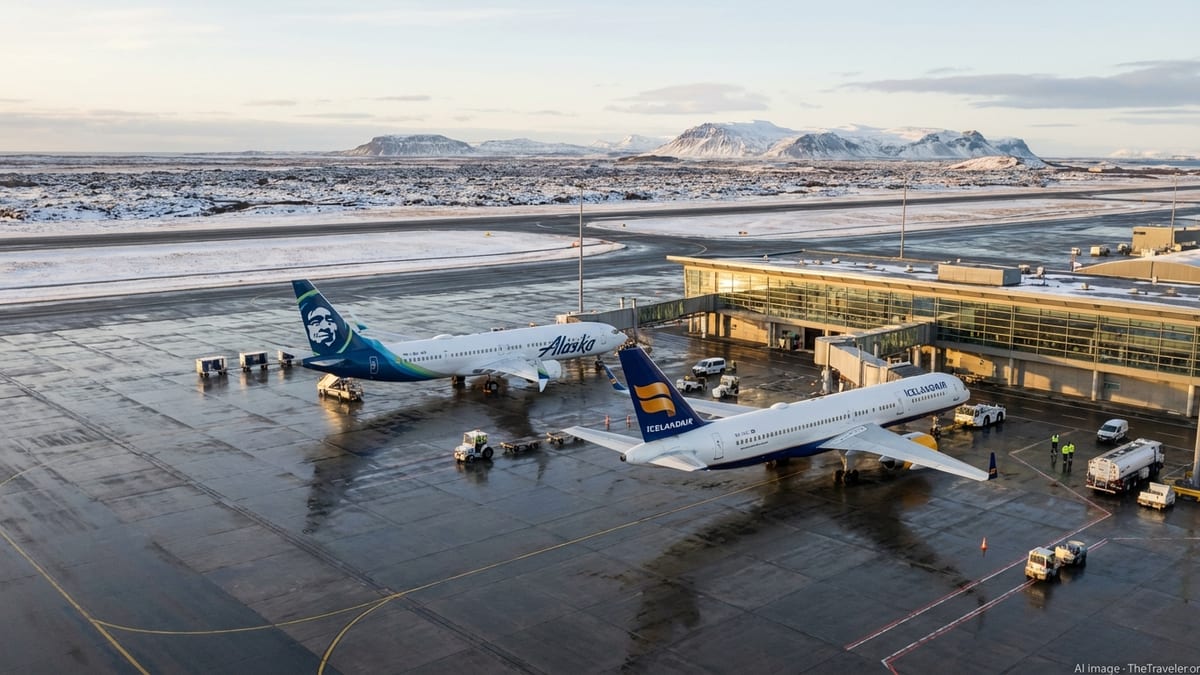
Publicly available flight-tracking data and schedule information for May 23 indicate that Icelandair’s network has come under pressure, with a cluster of cancellations and delays centered around Keflavik International Airport. The disruption has affected a mix of transatlantic and intra-European services, leaving aircraft and crews out of position and compressing already busy peak travel banks.
The scrapped flights include departures linking Reykjavik with major European cities such as Frankfurt and Berlin, as well as transatlantic rotations that usually feed traffic into and out of North American gateways. Delays have also developed on remaining flights as the carrier attempts to re-time departures, consolidate passengers and sequence aircraft back into a workable pattern.
Data from independent trackers shows several Icelandair services operating with delayed departure times out of Keflavik, including flights bound for large North American markets. Those delays, while often under an hour, compound the impact of full cancellations by tightening connection windows and forcing some onward rebookings.
A review of Icelandair’s published customer service documentation shows that the airline’s standard policy in the event of cancellations is to re-accommodate affected travelers on the next available flight or provide a refund, depending on circumstances and passenger preference. In practice, on a day with multiple disrupted services, that can translate into longer waits at the hub as limited spare capacity is absorbed.
Frankfurt, Berlin and Newark Among Hardest Hit
The latest disruption has been particularly visible in major Icelandair markets such as Frankfurt, Berlin and Newark, where the airline typically operates as a niche transatlantic connector. Flight-status pages and airport boards for these cities show a mix of outright cancellations and departures operating on delay, reflecting the strain spreading outward from Iceland.
In Frankfurt, one of Icelandair’s key continental European gateways, passengers connecting onward into the broader Lufthansa and Star Alliance network have reported schedule changes and missed connections as Icelandair flights arrive later than planned or not at all. Similar patterns have been noted in Berlin, where point-to-point leisure travelers make up a significant portion of the traffic to Iceland and onward to North America.
On the US East Coast, disruption has been most visible at Newark Liberty International Airport, an important Icelandair entry point alongside New York JFK. Public flight information boards show schedule adjustments and delays for Reykjavik services, forcing some passengers to be rerouted through alternative US gateways or to travel on later dates.
Because Icelandair’s model relies heavily on tight connections through Keflavik between Europe and North America, problems on one side of the Atlantic quickly cascade to the other. A canceled or heavily delayed inbound flight may remove the aircraft needed for an outbound rotation hours later, extending the operational impact from morning into late evening banks.
Knock-On Effects for Passengers and Crews
Reports from passenger forums and social media over recent weeks already described growing frustration with schedule reliability on some Icelandair routes, with individual accounts of last-minute cancellations and significant itinerary changes. The latest cluster of 10 cancellations and 17 delays appears to fit a wider pattern of pressure on the carrier’s tightly utilized fleet, particularly during busy travel periods.
When cancellations occur at short notice, travelers may face extended time at the airport while new options are arranged. Those with onward connections through Reykjavik can see a single missed flight evolve into an overnight delay or an unplanned stopover if no same-day alternatives exist. For long-haul travelers returning to North America or Europe, that can affect hotel bookings, car rentals and other ground arrangements at the final destination.
Crew scheduling is also affected. Pilots and cabin crews are bound by strict duty-time limitations, and irregular operations can trigger mandatory rest periods that remove additional flights from the schedule. Publicly available planning documents and industry guidance show that airlines in such situations must often reshuffle crews at short notice, which can prolong the recovery period beyond the initial weather or technical trigger.
Travel compensation rules vary by jurisdiction, but passengers departing from European airports or flying into the region with an Icelandic carrier are generally protected under European-style air passenger rights frameworks. Consumer advocates note that, depending on the specific cause of a cancellation or long delay, travelers may be entitled to meals, accommodation and, in some instances, financial compensation.
Weather, Airspace and Fleet Factors Under Scrutiny
The precise combination of factors behind the most recent Icelandair disruption has not been fully detailed in publicly available material, but current reporting across the European aviation sector points to a mix of issues. Weather-related restrictions, air traffic control constraints and tight aircraft availability have all been cited as contributing to a more fragile operating environment this spring.
Industry analysis over the past week describes a broader spike in delayed and canceled flights across several European hubs, with carriers including Icelandair facing challenges when severe weather or localized airspace restrictions force temporary reductions in capacity. Once schedules begin to slip, airlines that run dense banked operations through a single hub, as Icelandair does at Keflavik, have limited room to absorb the shock.
Longer term, Icelandair is in the midst of a fleet transition, phasing out older Boeing 757 aircraft and adding newer-generation jets. Public company statements and aviation reference sources indicate that this process is expected to continue through 2026. Fleet changes of this scale can temporarily tighten spare capacity, making it more difficult to cover for aircraft that are taken out of service for unplanned maintenance.
Aviation analysts suggest that while a single day of 10 cancellations may not be extraordinary for a medium-sized carrier, the concentration on key transatlantic routes heightens visibility and increases the risk of reputational damage if passengers perceive a pattern of unreliable service.
What Impacted Travelers Can Do Now
Travel experts advise that passengers affected by the latest Icelandair disruptions first confirm the status of their flight through official airline channels and airport boards, rather than relying solely on third-party apps or email notifications. If a flight is listed as canceled, travelers can typically choose between rebooking on the next available service or requesting a refund, depending on the fare rules and the specific circumstances.
Those with tight onward connections through Keflavik are urged to build in extra time where possible, particularly during periods of unsettled weather in the North Atlantic or when European air traffic control networks are under strain. If a delay appears likely to cause a missed connection, approaching the airline early in the process generally provides more options than waiting until boarding time.
Consumer organizations also recommend that passengers keep all receipts for meals, accommodation and ground transport incurred as a direct result of delays or cancellations. In many jurisdictions, such documentation will be necessary when seeking reimbursement or compensation later, whether directly from the airline or via travel insurance and credit card protections.
With peaks in transatlantic leisure travel still ahead, observers say Icelandair and other carriers operating through northern hubs will be under pressure to demonstrate more consistent performance. For now, the latest round of 10 cancellations and 17 delays is a reminder of how quickly a localized operational issue in Iceland can reverberate across airports from Frankfurt and Berlin to Newark and beyond.