


More news on this day
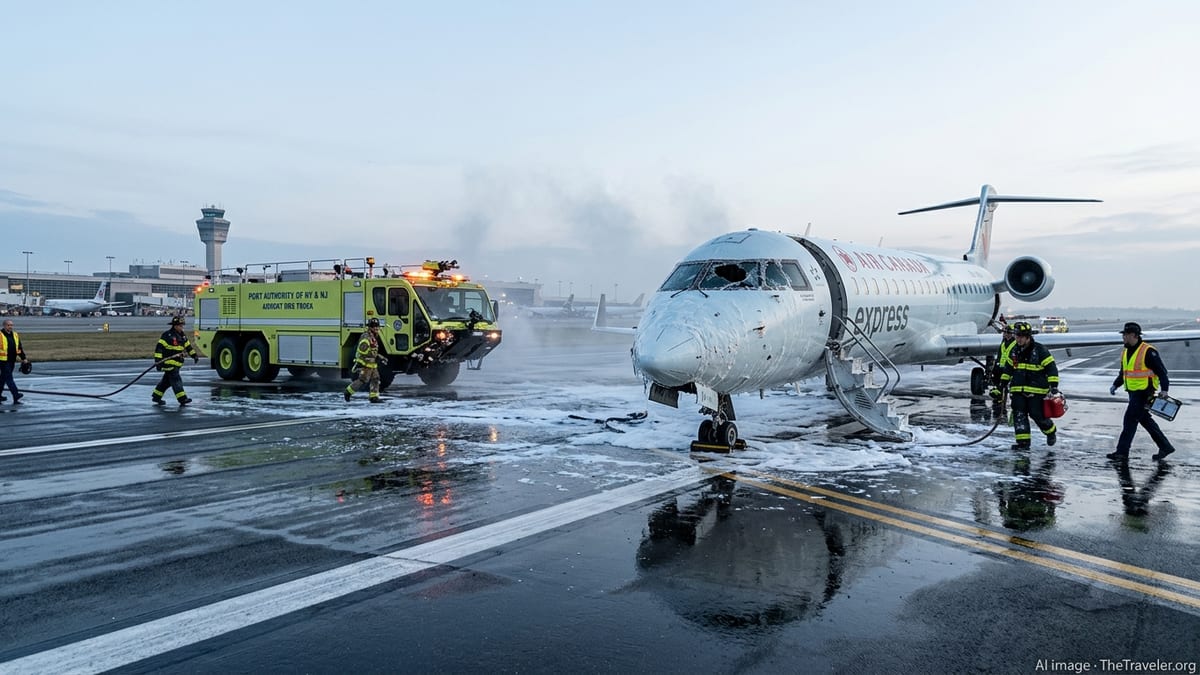
Passengers across Canada and the United States are facing extended travel disruption after 16 Air Canada flights were cancelled over the busy May long weekend, triggering knock-on delays and leaving travelers stranded in cities including Halifax, Toronto, Vancouver, Ottawa and Miami.
Get the latest news straight to your inbox!
Wave of Cancellations Ahead of Peak Travel Days
According to flight-tracking data and aviation disruption summaries published over the past several days, Air Canada removed at least 16 flights from its schedule as the May holiday rush gathered pace. The cancellations were concentrated between May 22 and May 24, a period that typically sees heavier traffic as Canadians take advantage of the late-spring long weekend.
Publicly available disruption tallies indicate that the airline has been grappling with a mix of operational and commercial pressures in recent weeks, ranging from aircraft availability to high fuel costs and tight schedules at major hubs. Those pressures have translated into short-notice schedule changes that have a disproportionate impact during peak travel windows when spare seats on alternative services are limited.
Industry trackers show that the affected flights spanned both domestic and transborder routes, with services linking Atlantic Canada, central hubs and key US gateways among those cancelled. While the overall number of affected departures remains a small fraction of Air Canada’s daily operation, the concentration of disruptions on a handful of high-demand days has intensified their effect on passengers.
Travel analysts note that these latest cancellations come on top of a broader pattern of volatility across Canada’s air network in May, with multiple days recording elevated levels of delays and schedule changes for several carriers. For travelers, the cumulative result has been a sense of fragility around travel plans that were often booked months in advance.
Major Hubs from Halifax to Vancouver Hit by Disruption
Reports from airport operations dashboards and third-party monitoring sites show that Canada’s largest hubs again bore the brunt of the disruption. Toronto Pearson, Vancouver International and Ottawa Macdonald–Cartier each recorded cancelled Air Canada departures among the 16 flights, with simultaneous delays elsewhere on their grids compounding congestion at gates and security checkpoints.
On the East Coast, Halifax Stanfield International Airport experienced cancellations that reduced connectivity for Atlantic Canada, affecting both point-to-point travelers and those relying on Halifax as a stepping stone to central Canada and the United States. Even a small number of cancelled departures at a regional hub can leave passengers with limited rerouting options, especially late in the day when alternative flights are already heavily booked.
In Western Canada, Vancouver International Airport continued to face uneven schedules as Air Canada adjusts capacity in response to fuel prices and shifting demand. While some of the most publicized changes there involve early termination of seasonal routes, day-of cancellations and extended delays have added further uncertainty for travelers using Vancouver as a gateway to Asia or to US West Coast cities.
Ottawa also featured among the affected locations, underscoring how disruptions at Canada’s political capital can ripple outward to secondary routes and regional services. When cancellations hit short-haul links such as Ottawa–Toronto or Ottawa–Halifax, passengers bound for more distant destinations via connections can experience multi-leg journey disruptions rather than a single missed flight.
Transborder Routes to US Cities Also Affected
The latest round of cancellations has not been confined to domestic travel. Publicly available flight data show that some of the 16 affected services involved cross-border links between Canadian hubs and US cities, including Miami. These routes are heavily used by both leisure travelers heading for warmer climates and business passengers relying on tight schedules.
Miami in particular serves as a key connection point for travelers continuing to Latin America and the Caribbean, meaning that a single cancelled leg can disrupt entire itineraries beyond the US border. Passengers who began their journeys in Canadian cities such as Halifax or Ottawa and routed via Toronto or Montreal to Miami faced the risk of missed onward flights and extended layovers.
The disruption to transborder services is unfolding as Air Canada is already trimming some US routes earlier than planned this summer, citing sustained pressure from jet fuel prices and evolving demand. While the earlier seasonal changes are scheduled in advance, the combination of structural cuts with short-notice cancellations is narrowing options for Canadian-origin travelers seeking direct links to US secondary cities.
Travel commentators suggest that this pattern reinforces the importance of checking itineraries frequently in the days before departure, particularly for Canada–US services that rely on precise connections. Even a minor delay on a feeder leg can now coincide with reduced backup capacity on the transborder segment.
Knock-on Delays and Stranded Passengers
Although 16 cancellations may appear modest in the context of Air Canada’s network, the timing and location of the affected flights produced widespread disruption across multiple airports. According to passenger accounts posted on public forums and data compiled by flight-compensation platforms, travelers reported missed connections, lost hotel bookings, and overnight stranding when same-day rebooking options were exhausted.
Hub airports such as Toronto and Vancouver are particularly vulnerable to knock-on effects. When a single flight from a spoke city like Halifax or Ottawa is cancelled, passengers lose access to onward connections to destinations ranging from Western Canada to Europe and the United States. Replacement itineraries can involve detours, overnight stays or arrival times more than a day later than originally planned.
In some cases, delays on surviving flights have been nearly as disruptive as outright cancellations. Industry monitoring reports indicate that during recent disruption peaks, Canadian hubs recorded dozens of delayed Air Canada departures in a single day, translating into hours-long waits on tarmacs and in departure lounges. These delays further constrain the airline’s ability to reposition aircraft and crews in time for subsequent rotations.
Travelers have taken to social media and consumer-rights platforms to document their experiences, sharing images of crowded departure halls and departure boards filled with red status indicators. While individual stories vary, a common thread is frustration at receiving little advance notice of cancellations during one of the most popular travel weekends of the late-spring season.
What Passengers Can Do When Flights Are Cancelled
Public information from consumer advocacy organizations and aviation regulators highlights that passengers affected by cancellations should first confirm the official status of their flight via the airline’s website or app, then follow the rebooking instructions provided. Many carriers, including Air Canada, provide tools for self-service rebookings onto the next available flight, which can be faster than waiting in an airport queue.
Travel rights resources note that in Canada, eligibility for compensation or reimbursement depends on the cause of the cancellation and whether it falls within an airline’s control. While not every disrupted passenger will qualify for a cash payout, all travelers whose flights are cancelled are generally entitled to a choice between rebooking and a refund of the unused portion of their ticket, subject to applicable regulations and fare rules.
Travel experts also recommend that affected passengers keep documentation of their expenses, such as hotel stays, meals and alternative transportation, in case they later seek reimbursement through the airline, travel insurance, or credit card protections. Detailed records can be particularly important when disruptions span multiple legs or involve connections at foreign airports.
With the busy summer season still ahead, observers suggest that travelers build additional flexibility into their plans where possible. Strategies can include opting for earlier flights in the day, allowing longer connection windows at major hubs, and monitoring flight-status tools closely in the 24 hours before departure. For those connecting through airports that have recently seen elevated disruption, such as Toronto, Vancouver, Halifax and Ottawa, such precautions may help mitigate the impact of any further cancellations or delays.