


More news on this day
Air Canada has halted all passenger flights to the United Arab Emirates, extending an earlier suspension of its Toronto–Dubai route as carriers recalibrate schedules in response to a deteriorating security environment and shifting airspace restrictions across the wider Middle East.
Get the latest news straight to your inbox!
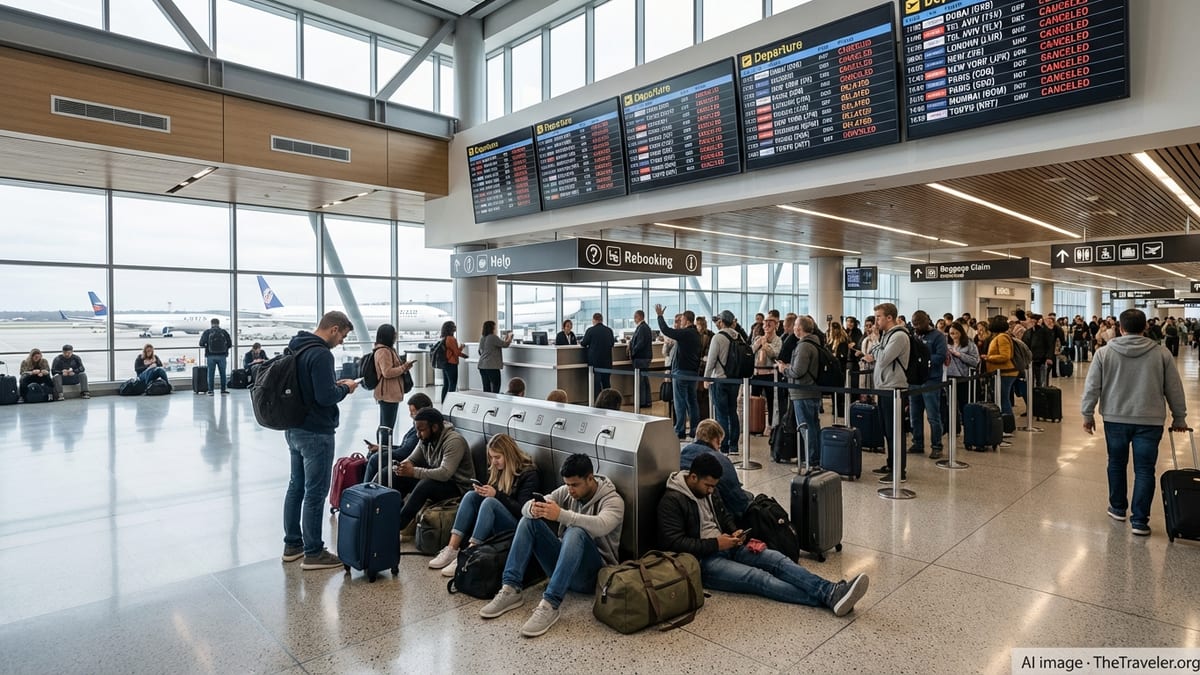
Extended Freeze Hits Toronto–Dubai Corridor
The pause in Air Canada’s UAE operations centers on its non-stop Toronto–Dubai service, which had already been suspended for several months as tensions and airspace closures disrupted long haul traffic patterns. Publicly available schedule information and airline disruption notices indicate that the carrier has repeatedly pushed back its planned restart, with bookings on the route removed well into late 2026.
Recent updates referenced in passenger communications and travel advisories suggest that the freeze now stretches into early 2027, effectively cutting a direct link that had become a key bridge between Canada and the Gulf. Travelers holding tickets for autumn and winter departures report receiving notifications that Dubai flights are no longer operating, with options to reroute via European partners or seek refunds where eligible.
The decision places Air Canada among a growing group of international airlines that have paused or severely curtailed services to major hubs in the region as they evaluate evolving security risks, insurance conditions, and the operational implications of detours around sensitive airspace.
Security Concerns and Airspace Risks Drive Network Changes
The extended suspension follows months of escalated tensions across parts of the Middle East, where incidents affecting airports and critical infrastructure have prompted authorities to restrict or temporarily close sections of airspace. Aviation safety bulletins and government travel advisories have highlighted a complex mix of threats, including the potential for long range missile and drone activity along key flight corridors.
For carriers like Air Canada, these developments have practical and financial consequences. Rerouting long haul flights around higher risk areas can add significant flight time, increase fuel burn, and reduce the viability of certain city pairs. Analysts note that some airlines have opted to consolidate capacity on alternative routes and hubs rather than operate heavily modified services into affected regions.
Published coverage from regional outlets has documented the wider impact on Dubai International Airport, traditionally one of the world’s busiest intercontinental gateways. While local airlines have continued to operate the majority of their schedules, many foreign carriers have either paused services or adjusted frequencies, reflecting differing corporate risk thresholds and insurance requirements.
Passengers Face Disruption, Refunds and Rerouting
The suspension of Air Canada’s UAE flights has left passengers with upcoming itineraries facing a fresh round of uncertainty. Customers with Dubai tickets are being steered toward a combination of refunds, travel credits, or rebooking on alternative routings, frequently via European or Asian hubs where partner airlines can carry them onward to the Gulf.
Reports from affected travelers indicate that some itineraries are now structured with an Air Canada segment to a European gateway, followed by a codeshare or interline flight on another carrier into Dubai. In other cases, passengers have opted to postpone or cancel trips altogether rather than navigate longer journeys and limited seat availability at peak travel periods.
Consumer advocates emphasize that eligibility for refunds or compensation depends on the exact fare rules and jurisdictional regulations. Given the protracted nature of the suspension, travelers are being advised to monitor booking management tools closely, keep records of schedule changes, and confirm options directly with the airline or their travel provider before making onward plans.
Knock-on Effects for Trade, Tourism and Connectivity
Air Canada’s extended pause on UAE routes carries implications beyond individual leisure and business trips. The Toronto–Dubai corridor has served as a vital link for corporate travelers, diaspora communities, and passengers connecting onwards to markets in South Asia, Africa and the broader Asia Pacific region.
With the direct flight off the map, Canadian travelers heading to the Gulf and beyond face longer routings and, in many cases, higher fares, as capacity tightens on remaining options via Europe and other hubs. Travel industry observers note that itineraries which once relied on a single connection in Dubai are now often split across multiple airlines and stopovers, complicating baggage handling and disruption recovery.
The freeze also affects cargo flows, given the role of widebody passenger aircraft in carrying freight between North America and the Gulf. While dedicated freighter operations and alternative belly cargo routes continue to move goods, logistics specialists point out that the loss of a non-stop widebody link can add cost and transit time for certain high value or time sensitive shipments.
How Air Canada’s Move Fits a Wider Airline Response
Air Canada’s decision sits within a broader industry response to the regional security environment. Several European carriers have already announced extended suspensions of flights to Dubai and other Gulf destinations, citing the same combination of airspace constraints, operational complexity and ongoing risk assessments.
Travel alerts issued by major airline groups show a patchwork of approaches: some carriers have temporarily halted all operations to certain cities, while others continue flying with revised routings, longer block times and additional safety margins. This uneven landscape has contributed to fluctuating schedules, periodic shortages of seats on specific days, and an overall increase in flight times for many journeys touching the Middle East.
Aviation analysts suggest that Air Canada is likely to keep its UAE freeze in place until there is sustained evidence of improved security conditions and more predictable access to key flight corridors. The airline is expected to review the suspension at regular intervals, weighing commercial demand against safety, insurance and regulatory considerations before making any decision on a phased return to Dubai.
Until such a decision is made, travelers planning trips between Canada and the UAE will need to rely on alternative routings and carriers, and to treat all schedules touching the region as subject to change at relatively short notice.