


More news on this day
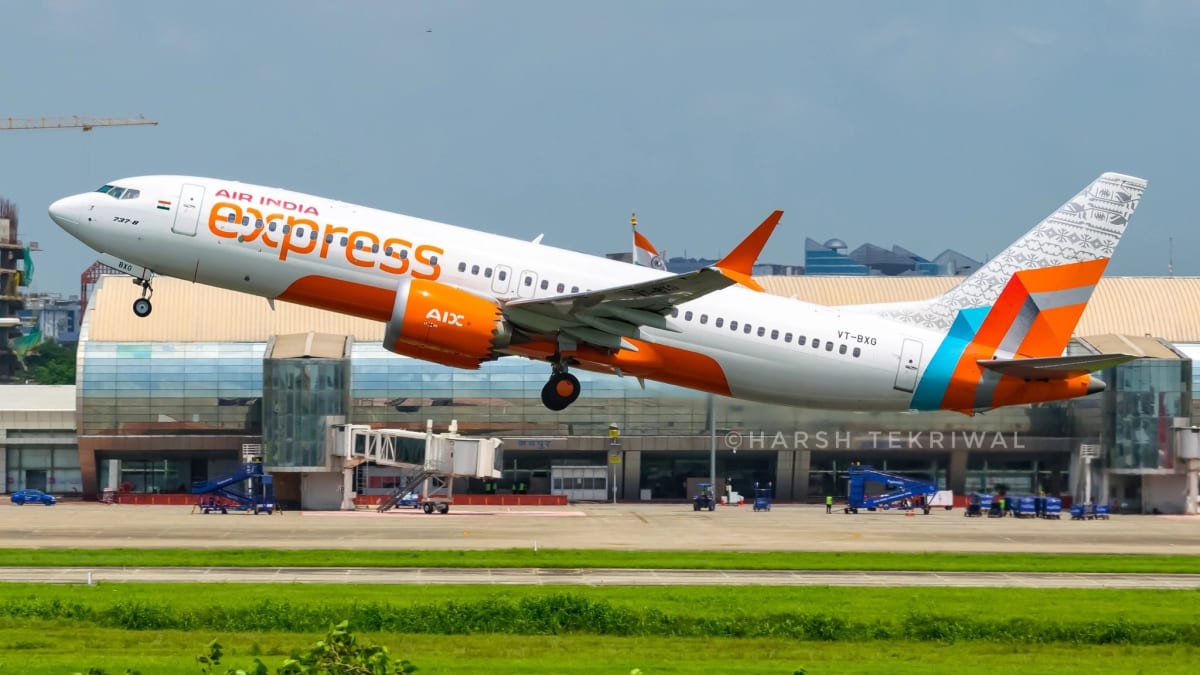
Passengers were left stranded after an Air India flight delay disrupted travel plans and triggered long waits at the airport, with knock-on effects for connections and onward ground transport as the delay stretched on.
Get the latest news straight to your inbox!
What happened and why delays can cascade quickly
Published coverage describing the disruption indicated that the delay left travelers waiting for extended periods, with some reporting uncertainty about revised departure times and whether rebooking options would be offered if the service was later cancelled. When a long-haul or high-load flight slips by several hours, the impact often extends beyond a single departure gate: passengers can miss tightly timed connections, checked baggage may need to be retagged, and inbound aircraft rotations can place additional flights at risk.
Airline operations in India and on international routes have also faced periodic network pressure from weather disruptions, airport congestion, and aircraft availability constraints. Recent industry reporting has pointed to how operational reliability can be affected when aircraft are taken out of service for maintenance or refurbishment, leaving fewer spare aircraft to cover irregular operations.
Separately, travelers have seen wider instances of major delays at large hubs in recent days, including reports of passengers stranded in Delhi during prolonged disruptions involving other airlines. These episodes have kept a spotlight on what assistance is practically delivered during long delays and how clearly it is communicated at the airport.
What passenger assistance rules generally apply in India
India’s passenger protection framework for flight delays and cancellations is anchored in the Passenger Charter and in Directorate General of Civil Aviation requirements that outline what facilities must be provided when a flight is significantly delayed, cancelled, or boarding is denied. Publicly available summaries of these rules describe assistance such as meals and refreshments after certain delay thresholds, and additional support when disruptions extend overnight.
Published guidance for travelers in India commonly frames meal and refreshment entitlements by delay length and flight duration. In widely cited summaries, passengers who have checked in on time are generally entitled to meals and refreshments once delays reach two hours for shorter flights, three hours for mid-length flights, and four hours for longer flights, with additional options once delays extend further.
For longer delays, published coverage of the rules indicates that if a delay exceeds six hours, airlines are expected to offer a choice that includes either an alternative flight within a defined window or a full refund. For disruptions that extend overnight or beyond a full day, publicly available summaries indicate that hotel accommodation and transfers may apply, depending on the circumstances of the disruption and the applicable conditions.
Refunds, rebooking, and compensation: what travelers should document
For stranded passengers, the most time-sensitive step is creating a clear paper trail while still at the airport. Travelers can save boarding passes, baggage tags, and screenshots of airline notifications showing revised departure times, cancellations, and any offered re-accommodation. Keeping receipts for out-of-pocket essentials can also help if travelers later seek reimbursement where permitted under the airline’s conditions and applicable rules.
Air India publishes passenger-rights information and maintains channels for handling flight disruption requests. The carrier also offers a disruption-management pathway for Air India-operated flights, including the ability to request documentation related to disrupted services, which can be useful for insurance claims or employer travel verification.
Compensation questions can be complicated. In general, the facilities required under India’s aviation rules can differ from cash compensation, and compensation can also vary based on when passengers were informed and on the reason for the disruption. Travelers should be cautious about relying on informal advice circulating online and instead base any claim on the specific flight facts: scheduled time, actual time, when the passenger was notified, whether the carrier offered an alternative flight, and whether the passenger accepted it.
What this means for upcoming Air India travelers
For passengers with Air India trips in the coming days, the practical takeaway is to check flight status frequently before leaving for the airport, especially on routes prone to tight aircraft rotations. When disruptions occur, travelers often have better outcomes by moving quickly to secure re-accommodation options while inventory is still available, particularly for connecting itineraries.
It can also help to plan for contingencies that are easy to overlook during a delay: ensuring access to chargers and power banks, confirming whether checked baggage can remain through-tagged when rebooked, and verifying whether overnight accommodation is being arranged or must be booked independently and claimed later where allowed.
Finally, passengers should keep in mind that long delays can sometimes shift into cancellations with little notice, especially if crew duty-time limits, aircraft serviceability, or airport constraints worsen. In those moments, a calm focus on documentation, clear choices between refund and rebooking, and using official airline channels for disruption requests can reduce the stress and financial exposure that stranded travelers often face.