


More news on this day
Departing flights from Dallas Fort Worth International Airport and Dallas Love Field were running behind schedule early Monday as thunderstorms moved through North Texas, prompting air-traffic initiatives that can ripple across airline schedules throughout the day.
Get the latest news straight to your inbox!
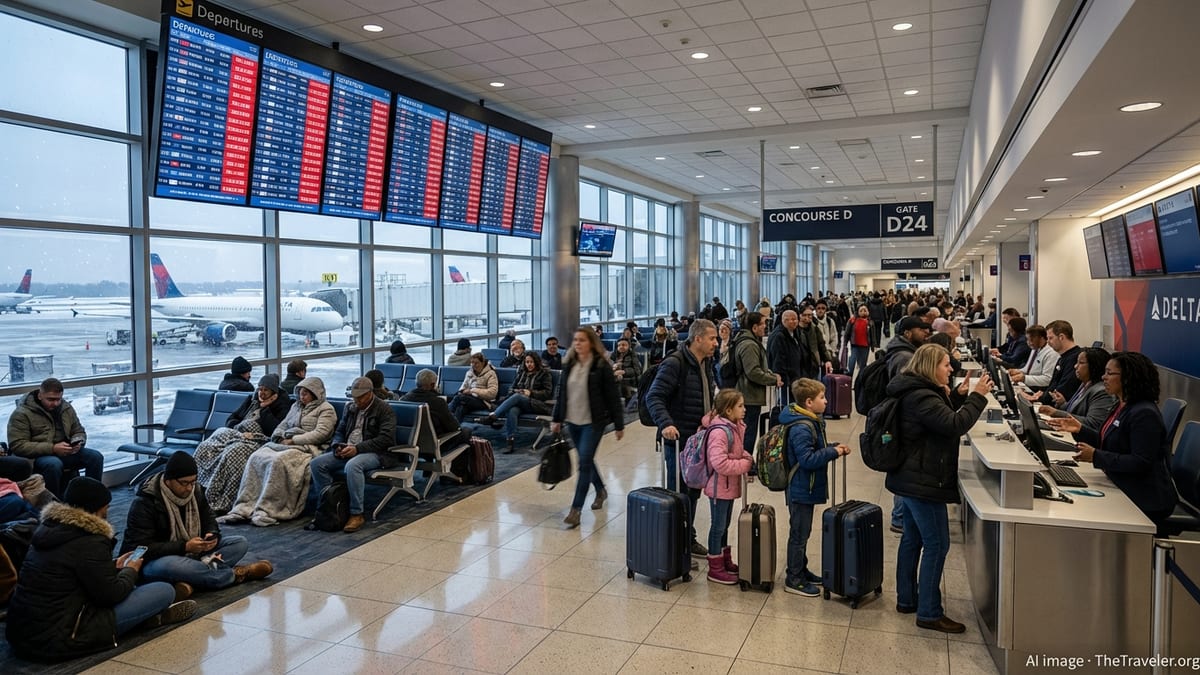
What travelers are seeing at DFW and Love Field
Publicly available FAA airport status updates showed weather-related traffic management initiatives at both airports in the early hours of Monday, September 21, 2026. At Dallas Fort Worth International Airport (DFW), the FAA status page flagged WEATHER/THUNDERSTORMS as the driver for a traffic management program affecting arrivals, with general departure delays described as gate-hold and taxi delays generally in the 15 to 29 minute range and decreasing at the time of the update.
At Dallas Love Field (DAL), the FAA’s airport status page similarly pointed to thunderstorms as the factor behind general departure delays, also described as gate-hold and taxi delays generally in the 15 to 29 minute range and decreasing.
Those airport-wide snapshots do not mean every flight is delayed, and they do not show the full passenger experience at the gate. Individual flights can be on time, delayed longer than the airport average, or canceled depending on aircraft location, crew legality, and how airlines rebuild schedules after interruptions.
Why storms can slow departures even when it is not raining at the gate
Thunderstorms affect more than runway conditions. When storm cells move near approach and departure corridors, air traffic controllers may need to reduce the rate of takeoffs and landings, hold aircraft at gates, or create spacing in the departure queue to keep aircraft safely separated while routing around weather.
At Love Field, the airport’s severe-weather guidance notes that lightning directly over the airfield can lead to operational pauses, and that heavy rain can reduce visibility and runway traction, slowing taxi, takeoff, and landing activity. The same guidance emphasizes that passengers should check directly with their airline for flight-specific impacts.
Because DFW and Love Field share the same regional airspace, disruptions can compound when weather sits over a key corridor or when traffic managers restrict flows across North Texas. Even brief slowdowns can cascade into later banked departures, particularly for airlines that rely on tightly timed aircraft turns.
What the FAA delay categories mean for your departure
For travelers watching delay alerts, “gate hold” typically indicates an aircraft may be kept at the gate, often to avoid long waits on the taxiway or to manage congestion when the airfield’s departure rate is reduced. “Taxi delay” generally signals that aircraft are moving but experiencing slower-than-normal progress to the runway.
FAA airport status pages provide a general overview of airport conditions, not a promise about any specific flight. Separately, the FAA’s broader national delays page can show whether the system is listing ground stops or widespread delay programs; as of the most recent public posting available early Monday, it did not list active nationwide ground delays or ground stops.
For passengers, the practical takeaway is that a short “general departure delay” can still translate into missed connections if your itinerary has little buffer time, or if your first delay triggers knock-on changes to aircraft assignments later in the day.
How to protect your trip plans today
If you are departing DFW or Love Field on Monday, build extra time into your schedule and monitor your airline’s app closely for gate changes, updated boarding times, and rebooking prompts. Airport status pages can change quickly as storm coverage shifts, and conditions can move from modest gate holds to longer delays if more intense cells park over the metroplex.
Travelers with connections should consider whether an earlier flight, when available, offers a better chance of arriving before afternoon or evening storm windows. When weather disrupts departures, airlines often prioritize repositioning aircraft and crews to protect later flights, but recovery timing can vary by carrier and destination.
If you are already at the airport, expect stop-and-start movement in departure queues and remain attentive to boarding announcements. Love Field’s severe-weather guidance also notes that, in certain situations such as imminent heavy hail, airlines may move passengers off an aircraft back into the terminal for safety, underscoring how quickly ramp conditions can change during active thunderstorms.