


More news on this day
Air New Zealand is restoring direct seasonal services between Auckland and Queensland’s Sunshine Coast, adding nearly 2,900 seats over the winter peak and giving international and domestic travelers more options to chase the sun across the Tasman.
Get the latest news straight to your inbox!
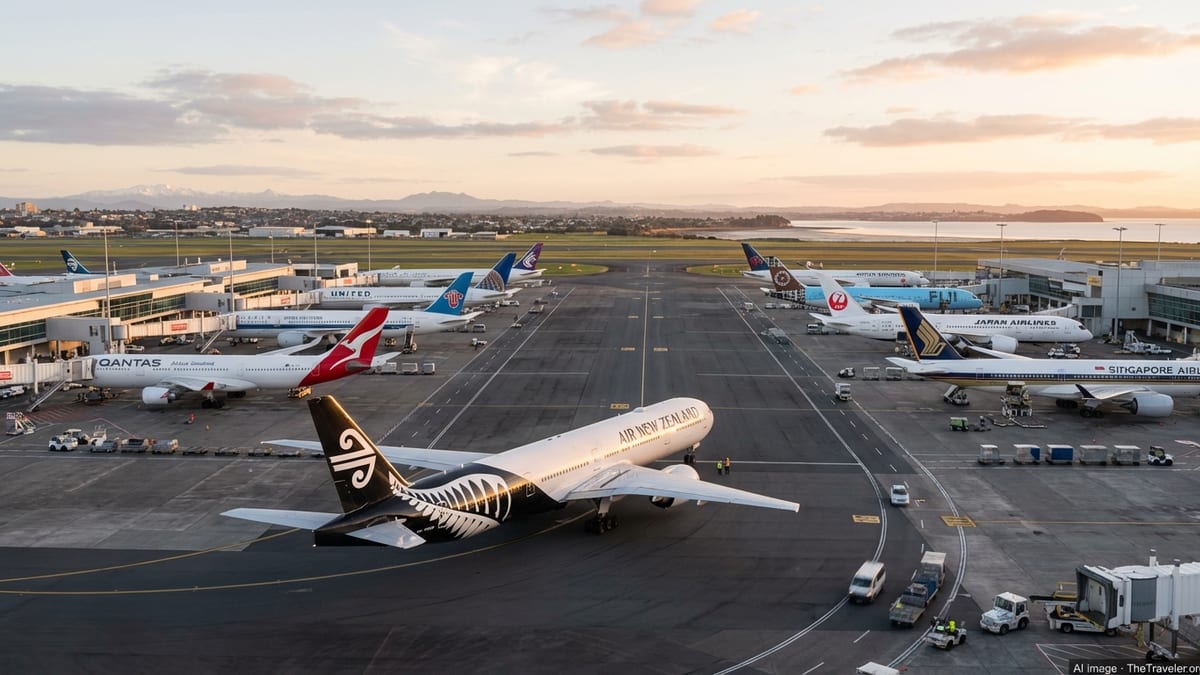
Seasonal Auckland–Sunshine Coast Link Returns
Publicly available information from the airline’s route maps and destination pages shows that Air New Zealand is once again operating non-stop flights between Auckland and Sunshine Coast Airport during the southern winter season, typically spanning June to October. The route is marketed as a seasonal service, complementing the carrier’s broader trans-Tasman network that links New Zealand with multiple Australian gateways.
Independent schedule aggregators indicate that the Auckland–Sunshine Coast route is being served several times each week, with services concentrated around key travel periods popular with holidaymakers. Flight data also shows that the typical journey time is just under four hours, positioning the route as a relatively quick hop for New Zealanders seeking warmer weather and beach escapes during the cooler months at home.
Airport and tourism updates referring to Air New Zealand’s “return” to the Coast frame the seasonal restart as part of a multi-year pattern, with the airline stepping up services in time for school holidays and peak visitation. This year’s restart is being highlighted for its additional capacity, with nearly 2,900 extra seats set to be available over the season compared with earlier schedules.
The renewed connection sits alongside competing and complementary services from other carriers, reinforcing Sunshine Coast’s role as a key leisure gateway in Queensland’s broader tourism landscape and giving travelers a choice of timings and fare types on the Tasman corridor.
Boost for Winter Tourism on Both Sides of the Tasman
The extra seats are expected to support a two-way flow of visitors. For New Zealand residents, the Sunshine Coast offers winter temperatures that are generally milder than major New Zealand cities, along with established resort areas, national parks, and a well-developed food and events scene. Tourism bodies in the region have consistently promoted the area as a short-break destination for families and couples looking to escape colder weather without undertaking a long-haul flight.
For Australians, the reinstated link improves access to Auckland and onward connections across New Zealand. Air New Zealand’s domestic network allows passengers arriving from Sunshine Coast to connect to popular South Island and North Island destinations on a single itinerary, which is particularly attractive for multi-stop holidays that combine city experiences with alpine or adventure tourism.
Industry commentary suggests that winter capacity increases are especially valuable for tourism operators who rely on a steady stream of international guests outside the traditional summer peak. Additional seats on a well-timed seasonal route can help smooth out demand across the year, supporting jobs in accommodation, hospitality, tours, and transport.
Local tourism advocates have also highlighted the importance of convenient, non-stop services to regional airports such as Sunshine Coast, arguing that they disperse visitors beyond the largest capitals and encourage longer stays in surrounding communities. The Air New Zealand seasonal operation aligns with those goals by plugging directly into a coastal market that has invested heavily in visitor infrastructure.
Schedule, Capacity and Aircraft on the Route
Timetable data from flight-tracking and schedule platforms shows that Air New Zealand’s Auckland–Sunshine Coast flights are operated as non-stop services several times per week during the core of the winter season. The pattern typically clusters around weekend and holiday peaks, when demand from families and leisure travelers is strongest, though exact days and frequencies can vary across the operating window.
The airline’s publicly available fleet information indicates that its short- to medium-haul international routes are primarily served by Airbus A320 and A321 aircraft configured for single-class or mixed-class cabins. On the Sunshine Coast service, those aircraft types translate into a few hundred seats per round-trip rotation, and the seasonal buildup to nearly 2,900 extra seats suggests either additional frequencies, use of higher-capacity variants, or a combination of both compared with earlier years.
For travelers, the aircraft choice means a familiar narrowbody cabin similar to what is seen on other trans-Tasman routes, with standard seat pitch and product features tailored to flights of around four hours’ duration. The schedule’s mid-morning and daytime departures commonly referenced in travel coverage also make it easier for families to travel without overnight sectors, aligning with the leisure focus of the route.
Capacity figures released in network and investor materials underscore that even relatively modest seasonal increases can materially expand the number of seats into a regional airport like Sunshine Coast. Against a backdrop of strong competition on core trans-Tasman city pairs, incremental growth on niche leisure routes is seen as a way for airlines to diversify their portfolios while still leveraging existing hubs and fleets.
Part of a Wider Trans-Tasman and Regional Growth Strategy
The Sunshine Coast restart sits within a broader pattern of network adjustments by Air New Zealand across Australia and the Pacific. Company updates over the past year have highlighted new or expanded services to other secondary Australian cities and seasonal holiday destinations, illustrating a strategy that mixes high-frequency trunk routes with targeted leisure-focused operations.
Investor briefings and route announcements describe an emphasis on connecting New Zealanders to more short- and medium-haul leisure destinations while making it easier for inbound visitors to spread beyond traditional gateways. Seasonal services like Auckland–Sunshine Coast, often aligned with school holidays and peak tourism periods, are presented as a flexible way to match capacity with demand without committing to year-round operations on every route.
In parallel, data from airline and tourism sources indicates that competition on the Tasman remains intense, with low-cost and full-service carriers each seeking to differentiate on price, schedule, and network connectivity. By reinforcing its presence in regional Queensland alongside major Australian hubs, Air New Zealand is positioning itself to capture travelers who prioritize direct access to specific holiday regions over connections via larger cities.
Analysts following the Australasian aviation market note that regional links such as Sunshine Coast also play a role in strengthening partnerships with local airports and tourism boards, which often support seasonal marketing and promotional campaigns. The addition of nearly 2,900 extra seats to the Sunshine Coast this winter underlines how such collaborations can translate into tangible capacity increases.
What the Added Seats Mean for Travelers
For travelers planning winter getaways, the additional seats on Air New Zealand’s Sunshine Coast service may translate into more choice of travel dates and potentially more competitive fares, particularly when booked in advance. Schedule data suggests that the spread of flights across the week gives flexibility for both short weekend breaks and longer stays.
Travel industry commentary points out that broader capacity on a route can ease pressure during peak school holiday periods, when flights on popular leisure corridors sometimes sell out or rise sharply in price. With more seats available, families and groups have a better chance of finding itineraries that suit their timing and budget.
On the Australian side, the renewed connection offers Sunshine Coast residents and visitors an additional option for reaching New Zealand without transiting through larger airports like Brisbane or Sydney. For some passengers, avoiding a domestic connection may reduce total travel time and complexity, especially when traveling with children or sporting equipment.
Overall, the restart of Air New Zealand’s seasonal Sunshine Coast flights, combined with nearly 2,900 extra seats in the market, signals continuing confidence in trans-Tasman leisure demand. It adds another link in the growing web of regional connections that support tourism, family travel, and business ties between New Zealand and Australia during the crucial winter months.