


More news on this day
Air New Zealand is stepping up its use of biometrics on trans-Tasman routes, trialling a digital identity system designed to streamline checks for travellers flying between Australia and New Zealand and reduce reliance on physical passports at the airport.
Get the latest news straight to your inbox!
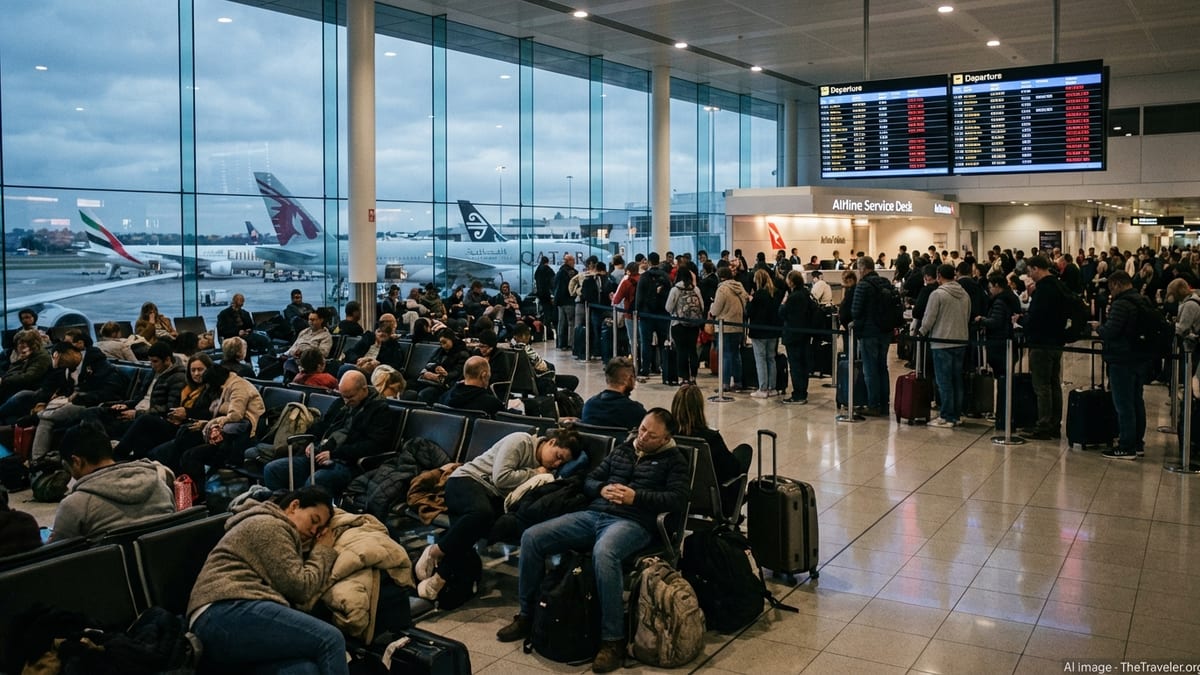
A new layer in the digital travel journey
The trial builds on several years of work by Air New Zealand and border agencies to digitise the end-to-end travel experience. The airline has previously tested biometric boarding at overseas airports, where a traveller’s face is matched to their passport data and boarding pass, allowing them to walk through the gate without presenting documents each time.
Publicly available investor material and industry coverage show that these biometric systems are now being extended to more routes, with a specific focus on busy corridors such as flights between Australia and New Zealand. The aim is to replace repeated manual checks at check in and boarding with one secure digital identity check that can be reused through the journey.
For passengers, the result is a quieter shift rather than a dramatic overhaul. Physical passports and visas still sit behind the scenes as the legal proof of identity and permission to travel, but more of the visible interaction at the airport is handled by cameras and encrypted data instead of counters and paper.
The move aligns with wider aviation trends across the region, where governments and airlines are using digital tools to manage growing passenger numbers without proportional increases in staff or processing time at airports.
How the digital ID experience works
On participating routes, travellers are invited to opt in to the digital identity experience during pre-travel steps such as online check in or managing their booking through the airline app. After consent, a secure profile is created by linking passport details and travel information to biometric data captured through a camera at the airport.
Once set up, that profile can be used to verify the traveller at automated points such as bag-drop kiosks or boarding gates. Instead of repeatedly handing over a passport, the passenger looks into a camera and the system matches their live image to the stored digital profile, confirming that the right person is boarding the right flight.
Reports indicate that the technology is designed to work alongside existing systems such as the New Zealand Traveller Declaration, which already links health and travel information to a passport, and automated border eGates that read biometric passports on arrival. In practice, the digital ID becomes another secure token that can be checked against government and airline records without the traveller producing extra paperwork.
Importantly for many frequent flyers, the trial is being used on routes where carry on only travel is common, with the goal of letting passengers move from security to the gate with minimal stops. With boarding being one of the more time-consuming stages on busy trans-Tasman flights, any reduction in manual checks can translate into shorter queues and more predictable departure times.
Why Australia–New Zealand routes are a testbed
Flights between Australia and New Zealand are among the most heavily trafficked international services in the region. Business travellers, workers, students and leisure passengers regularly cross the Tasman Sea, supported by long-standing arrangements that allow relatively free movement of citizens between the two countries.
This high, recurring demand makes the corridor a natural environment for testing digital identity tools. Many passengers are repeat travellers who are familiar with online processes, airline apps and automated border gates, which helps new technology to bed in quickly.
Both countries already operate advanced self-service border systems at their major international airports. These systems use biometric passports and facial recognition at eGates to confirm identity and run checks against border databases. By layering airline-managed digital identity on top of these border controls, authorities and carriers can share parts of the workload, reducing duplication and easing pressure on frontline staff.
Travel industry analysis also highlights that the trans-Tasman market is highly competitive. Airlines are looking for ways to differentiate the passenger experience beyond fares and schedules. Faster, smoother journeys through the airport, especially for regular travellers who know the pain points of queues and repeated document checks, are seen as an attractive selling point.
Balancing convenience, security and privacy
The growth of digital identity in aviation raises questions about data security and privacy, particularly when biometric information is involved. Public documents describing Air New Zealand’s biometric trials emphasise that participation is voluntary and managed through an opt in process, a feature that is expected to carry across as the airline extends digital identity options on Australia–New Zealand services.
Digital identity systems generally rely on encrypted storage, strict access controls and clear rules about how long data is kept and for what purposes it can be used. In practice, this means biometric templates and travel records are stored separately from standard customer data, and are governed by additional security and compliance requirements.
Privacy advocates and technology experts have encouraged airlines and border agencies to be transparent about these measures, including where data is stored, which partners can access it and how it is deleted after a journey. The Australia–New Zealand trials are being watched closely as a real-world test of whether the promised time savings and smoother journeys can be delivered without eroding passenger trust.
For now, passengers flying on eligible services can expect to receive clear information during booking or check in about what digital identity options are available and what they involve. Those who prefer traditional processing can continue to use standard check in, manual document checks and traditional boarding procedures.
What travellers should expect next
Industry observers expect digital identity to spread gradually rather than appear overnight. Early trials are typically limited to specific flights, airports or passenger groups, allowing airlines and airports to monitor performance, adjust processes and address any issues before expanding to wider networks.
As systems mature, travellers on Australia–New Zealand routes are likely to see more consistent use of biometrics at key points such as bag drop and boarding, particularly at major gateways. Over time, the goal is for a single secure identity check to carry a passenger from online booking through airport processing and border control with fewer interruptions.
Even with these developments, travellers are still required to hold valid passports, visas and travel authorisations, and to comply with entry rules on both sides of the Tasman. Digital identity in this context is intended to remove friction around how that information is verified, rather than to replace legal travel documents entirely.
For many passengers, the most noticeable change will be psychological: less concern about misplacing a passport during the rush of boarding and more confidence that identity checks are handled quietly in the background. If the current trials meet expectations, the trans-Tasman corridor could become a showcase for how digital identity can make short international hops feel closer to domestic journeys while maintaining robust security at the border.