


More news on this day
Airbnb is extending its reach beyond accommodation with the rollout of pre-bookable private airport transfers in 125 cities across Europe, Asia, and Latin America, connecting arrivals in destinations such as France, Mexico, and Indonesia directly to the company’s lodging ecosystem.
Get the latest news straight to your inbox!
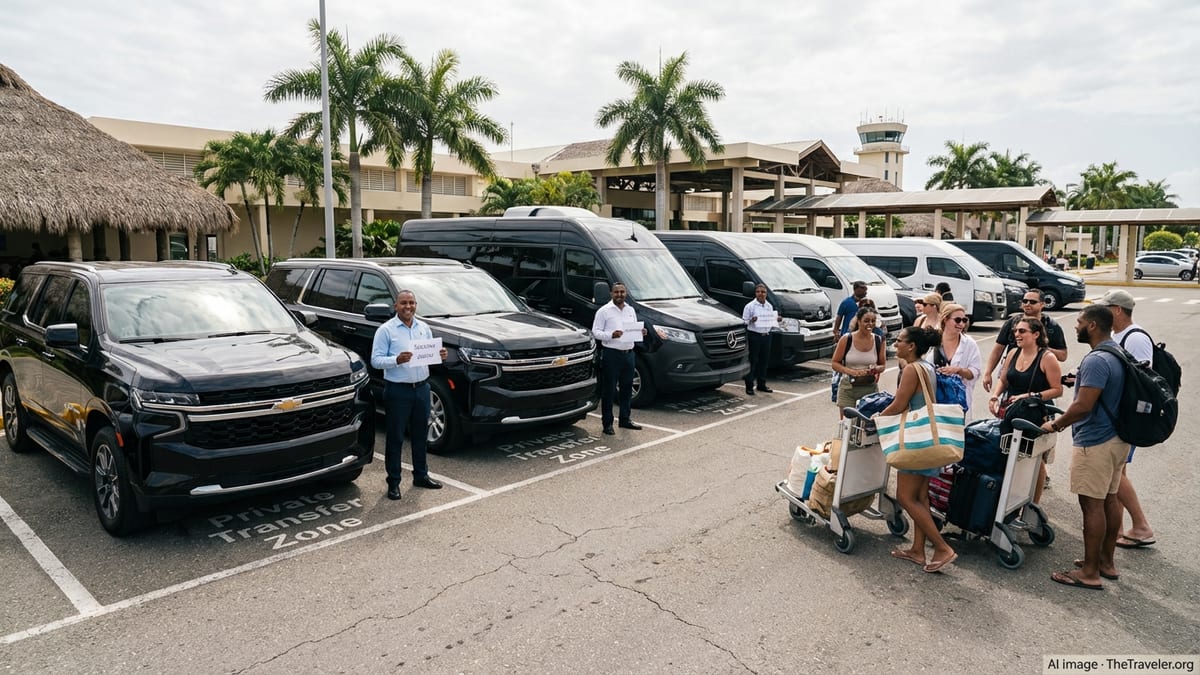
New integrated transfer service spans three continents
According to recent coverage from travel and financial news outlets, Airbnb has partnered with private transfer specialist Welcome Pickups to introduce chauffeured airport rides that can be booked directly through the Airbnb app. The service is designed to give travelers a single platform for both their stay and their first trip into town, reducing the need to juggle multiple local taxi or ride-hailing apps after landing.
Publicly available information indicates that the launch covers 125 cities across Europe, Asia, and Latin America, with Paris, Mexico City, and Bali highlighted among the initial markets. The transfers are positioned as private, pre-arranged car services rather than shared shuttles, with pricing shown upfront in the app based on vehicle type, party size, and luggage requirements.
The new offer follows a pilot program that reports indicate earned an average guest rating of 4.96 out of 5, suggesting strong demand for a more predictable arrival experience. By bringing the transfer booking process inside the Airbnb platform, the company is aiming to keep travelers within its ecosystem from touchdown to check-in, while still relying on an asset-light model that outsources vehicles and drivers to a specialist partner.
Industry commentary suggests the move is part of a broader strategy to evolve Airbnb into a more comprehensive travel services marketplace. Rather than remaining focused solely on accommodation and experiences, the company is gradually adding ancillary services that can smooth pain points along the journey, with airport transfers emerging as a prominent first step on the transportation side.
How the airport transfer experience works for guests
Once a guest confirms an eligible stay, the Airbnb app now surfaces an option to reserve a private airport pickup or return transfer linked to that booking. Reports describe a booking flow that allows travelers to select their flight details, preferred vehicle category, and any additional needs, with the final price shown before confirmation. Payment is processed through Airbnb, keeping the transaction within the same account used for the stay.
On arrival day, drivers arranged through Welcome Pickups meet guests inside the terminal at the arrivals area, typically holding a sign with the traveler’s name. This approach aims to remove the uncertainty of locating a ride in an unfamiliar airport, particularly in busy hubs or destinations where language barriers and cash-based transport can be challenging for first-time visitors.
For guests with longer gaps before check-in, publicly available descriptions note that some itineraries can be customized with short sightseeing stops on the way from the airport. Return journeys back to the airport can also be pre-arranged from the Airbnb listing address, allowing travelers to secure both legs of their transfer well ahead of time.
The service is framed as complementary to, rather than a replacement for, local taxis and ride-hailing platforms. However, the integration into the Airbnb booking flow and the emphasis on fixed pricing, confirmed pickup, and in-terminal meet-and-greet are being promoted as key differentiators for travelers who prioritize convenience and predictability over on-the-spot price comparison.
Focus markets include France, Mexico, and Indonesia
Coverage from travel industry publications highlights France, Mexico, and Indonesia as emblematic of the new network, with Paris, Mexico City, and Bali cited among the first destinations to feature the integrated transfer option. These locations are among Airbnb’s most popular markets and often serve as international gateways where airport navigation and onward transport can be especially daunting for visitors.
In France, travelers arriving at Paris airports can use the service to pre-book a private car into the city or onward to suburban and regional stays listed on Airbnb. The service is expected to appeal to visitors who prefer to avoid queues at local taxi stands or are unfamiliar with French ride-hailing providers, particularly after evening or long-haul arrivals.
In Mexico, the rollout anchors on major urban and resort gateways such as Mexico City, where travelers frequently face a confusing mix of licensed taxis, app-based rides, and informal transport options. By offering a reserved private transfer that is pre-paid in the Airbnb app, the company is positioning the service as a way to reduce negotiation and currency concerns for international guests landing in the country.
Indonesia, with Bali as a flagship market, is another focal point. Popular beach and hillside areas on the island can sit a considerable drive from the airport, and reports note that pre-arranged transfers are already common among hotels and villas. Airbnb’s integration with Welcome Pickups brings a similar level of structured, pre-booked transport directly to guests staying in the platform’s private villas, guesthouses, and homestays.
Positioning within a crowded transfer and mobility landscape
The launch places Airbnb in a competitive space that already includes global ride-hailing platforms, local taxi operators, and dedicated transfer companies. Services such as Uber and Lyft in some markets, along with regional brands in Europe, Asia, and Latin America, have long allowed travelers to request or schedule airport rides via their own apps.
Analysts following the rollout note that Airbnb is differentiating primarily through integration rather than owning vehicles or building a standalone transport brand. By partnering with Welcome Pickups, which specializes in airport transfers and local drivers, Airbnb avoids the capital intensity of operating fleets while still being able to advertise a curated, door-to-door arrival experience aligned with its accommodation offerings.
For transfer operators and drivers in participating cities, the arrangement may present a new channel to reach international travelers who are already committed to an Airbnb stay. At the same time, observers point out that the service is limited to select cities and relies on consistent local supply, meaning coverage may remain concentrated around major hubs and high-demand tourist destinations in the early stages.
Travel commentators also highlight the potential for overlap with existing hotel and resort transfer packages, particularly in resort-heavy markets such as Mexico and Indonesia where pre-arranged private cars are a familiar part of the arrival experience. Airbnb’s advantage, they note, lies in being able to package a similar service directly alongside private home and apartment stays that historically offered less structured transport options.
What the move signals about Airbnb’s broader strategy
The introduction of private airport transfers is being interpreted as another step in Airbnb’s shift toward a more comprehensive travel platform, incorporating services that extend beyond the core lodging transaction. According to business press analysis, the company has been gradually layering on features intended to keep users engaged throughout the trip cycle, from search and booking to on-the-ground logistics.
Observers suggest that airport transfers offer a relatively low-risk way for Airbnb to test travel-adjacent services that can generate incremental revenue while reinforcing customer loyalty. The asset-light partnership model allows the company to scale the service city by city, adding or adjusting coverage based on demand and performance metrics such as guest ratings and repeat bookings.
Industry reports indicate that additional services could follow if the airport transfer initiative gains traction. Possibilities range from expanded ground transport options to more integrated local services around activities, dining, or digital itineraries, all centered on keeping travelers within the Airbnb environment rather than switching between multiple apps.
For now, the private airport transfer program in France, Mexico, Indonesia, and dozens of other destinations offers a concrete example of how the platform is trying to close gaps in the travel journey. As international visitor numbers continue to recover and diversify, the success of this service will provide an early signal of how far Airbnb can extend beyond rooms and homes into the wider travel services market.