


More news on this day
A growing delay to the long-discussed rebuild of Alderney Airport’s ageing runway is drawing renewed attention to how quickly small-airport infrastructure timelines can slip, and how directly that can affect residents, visitors, and regional air schedules.
Get the latest news straight to your inbox!
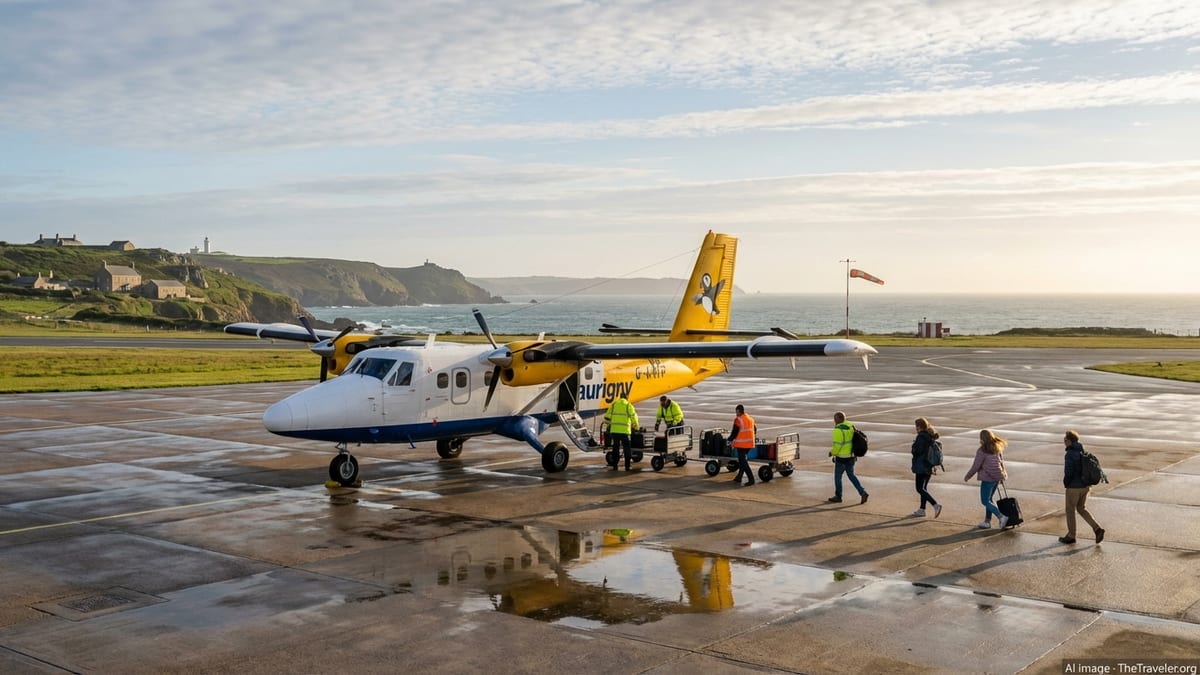
Timeline shift: from a 2027 start window to spring 2028
Published coverage in the Channel Islands indicates the runway rehabilitation program at Alderney Airport, previously framed around a 2027 construction window, is now at risk of moving into spring 2028. The shift has been described in recent reporting as “very concerning,” reflecting anxiety about what another deferral could mean for the island’s already constrained air connectivity.
Project descriptions in publicly available parliamentary and policy documents have repeatedly highlighted that timing is tied to workable construction windows and procurement milestones. Several sources have pointed to the tender and evaluation schedule as a critical path item, with any missed targets raising the possibility that work could slip beyond the originally expected window.
In addition to timing, the plan itself has been portrayed as a cost-controlled approach after prior options reportedly exceeded the approved budget. Recent reporting has suggested the scope has been under review, including runway-width assumptions, as planners try to align operational evidence, regulatory considerations, and affordability without sacrificing safety requirements.
What’s planned: a £24 million rehabilitation focused on keeping the airport viable
Available documents and regional reporting describe a rehabilitation plan budgeted at up to £24 million, designed to maintain Alderney’s airfield as an operational aerodrome into the future. The runway is often characterized in coverage as having relied on repeated patching and temporary repairs while longer-term decisions were debated.
Public project descriptions have emphasized a “do-minimum” style approach compared with earlier, more ambitious proposals, focusing on a functional runway for the kinds of smaller aircraft that typically serve short sectors in the region. That framing matters for travelers because it underscores that the goal is reliability and continuity rather than major expansion in capacity or a step-change in aircraft size.
Coverage has also indicated that procurement and design decisions are intertwined with regulatory compliance, including runway dimension requirements and whether regulatory alleviations can be maintained. Those details can influence not only cost and scope, but also which aircraft types can operate and under what conditions, which is central to keeping schedules dependable for island travel.
Why the delay matters to travelers: reliability, capacity, and contingency planning
For passengers, runway work is not just a construction story; it can translate into reduced operational flexibility, greater sensitivity to weather, and fewer recovery options when disruptions occur. A small airport with limited infrastructure has less slack when a runway surface is nearing the end of its service life, and maintenance-intensive pavements can mean more operational constraints over time.
Recent reporting has suggested the policy focus remains on keeping the runway operational through continued patching while the larger rehabilitation is prepared. From a traveler standpoint, that can help maintain basic connectivity, but it also highlights the risk that delays to permanent work could leave the airport relying longer on interim fixes.
Travelers heading to or from Alderney typically have fewer alternative routing options than passengers in larger markets. That reality increases the importance of stable schedules, and makes knock-on impacts more pronounced, including missed onward connections, additional overnight stays, or the need to rebook to different days when capacity is tight.
Runway rehabilitation is a wider trend, and delays are not unique to Alderney
Across the broader aviation system, runway rehabilitation has been a recurring theme in public-facing airport updates, permitting dashboards, and operational notices. In the United States, multiple airports have published runway-rehabilitation schedules involving partial or full runway closures, with advisories that work can affect arrival rates and increase delay potential during certain periods.
These projects are often staged to avoid peak travel weeks, but publicly available information shows that shifting timelines can still occur due to permitting, contractor availability, design revisions, and weather-dependent construction windows. Even when timelines are posted well in advance, aviation construction is frequently exposed to factors that can push milestones out by months.
The takeaway for travelers is that runway projects tend to have system effects beyond the airport fence line, especially at facilities with limited runway redundancy. When a primary runway is constrained, schedules can become less resilient, increasing the likelihood of delays and cancellations during irregular operations.
What to watch next: procurement milestones and the 2027 travel season
The next meaningful signals for Alderney’s runway timeline are expected to come from procurement updates and any published refinement of the project scope. In recent coverage, tender progress and the timing of contractor selection have been presented as key determinants of whether work can realistically begin sooner rather than later.
Separately, some reporting has framed the timeline shift as creating a clearer expectation of “business as usual” for the 2027 season, assuming continued maintenance keeps the runway serviceable. For visitors planning trips, that may reduce uncertainty in the near term, while still leaving a longer-term question of when the major work will finally start.
For now, the most practical approach for travelers is to monitor airline schedule updates closer to departure, keep flexibility in lodging and onward travel where possible, and pay attention to airport or carrier advisories during periods when runway condition management or operational constraints could affect reliability.