


More news on this day
All Thursday evening flights at Guernsey Airport were cancelled after a band of persistent fog cut visibility on the runway, forcing diversions, trapping passengers on and off the island and adding fresh strain to late-summer air travel across the region.
Get the latest news straight to your inbox!
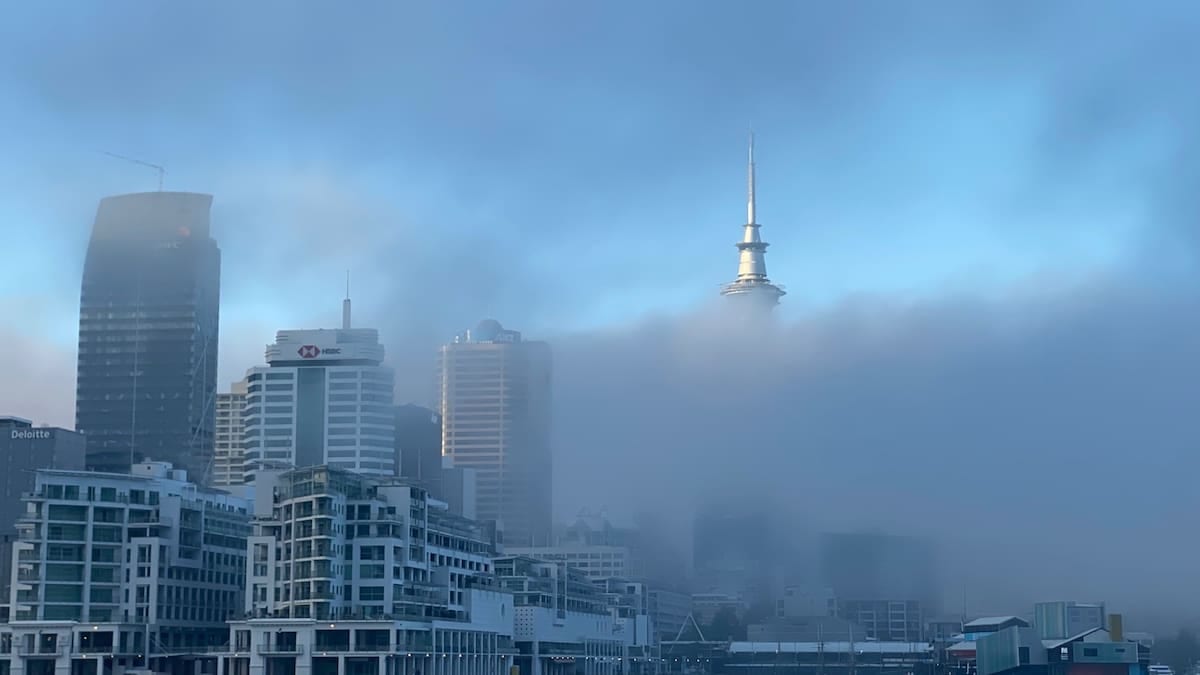
Visibility Collapse Triggers Full Evening Shutdown
According to publicly available flight information and local coverage, problems began on the afternoon of Thursday, September 3, 2026, when dense low cloud and fog settled over Guernsey Airport. As visibility deteriorated, arriving aircraft were diverted to airports in the United Kingdom and departures were held on the ground while air traffic managers monitored conditions.
As the fog persisted into the evening and runway visual ranges remained below the thresholds required for safe approaches and takeoffs, the remaining flights on the schedule were progressively cancelled. Published reports describe the final phase as a complete wipeout of the evening program, with no commercial passenger services able to depart or arrive once the shutdown was confirmed.
Operational updates posted for travelers pointed to what was described as persistent fog rather than passing low cloud, with little short term improvement forecast. The prolonged nature of the weather event meant that routine recovery measures, such as brief holding patterns or minor delays, were insufficient to keep services running.
The cancellations followed an already challenging summer for European aviation, where staff shortages, storms and airspace restrictions have combined with seasonal peaks in demand. The Guernsey disruption added another localized pressure point, highlighting how quickly a small island hub can be brought to a standstill when visibility drops below safe limits.
Passengers Stranded On and Off the Island
Coverage from regional and travel industry outlets indicates that passengers were left stranded both in Guernsey and at mainland departure points once the shutdown took effect. Travellers heading to the island were diverted with their aircraft to alternative airports, while those due to leave Guernsey were told that their flights would not operate until at least the following day.
The sudden loss of capacity placed particular strain on accommodation and onward transport options. Reports from the island describe hotels and guesthouses filling quickly as visitors scrambled to secure last minute beds, while some residents returning home found themselves unexpectedly stuck at mainland airports with limited alternative connections.
Because the cause of the disruption was weather related, airlines worked within standard policies that typically prioritize rebooking on later services rather than rerouting via other modes. For an island destination with a limited number of daily flights and few maritime or ferry alternatives operating late in the day, this contributed to longer than average recovery times for affected passengers.
Publicly available advice from travel companies in the wake of the cancellations emphasized the value of contacting airlines through mobile apps or websites, which often provide self service rebooking tools when operations are disrupted by factors beyond a carrier’s control. Some passengers were reportedly able to move to first wave flights the next morning, while others faced longer waits as aircraft and crews were repositioned.
Fog Disruption Echoes Wider European Patterns
While Guernsey’s complete evening shutdown was striking, persistent fog is a recurring challenge for airports across Europe, particularly at coastal and low lying airfields. Recent coverage of weather related disruption has highlighted similar, although less extensive, delays and cancellations at other regional hubs.
At Malaga Costa del Sol Airport in Spain, for example, a dense band of sea fog on September 4 led to a morning of delays, diversions and several cancellations as maritime air moved inland from the Alboran Sea and settled over the runway complex. Local reporting from Malaga province described visibility dropping sharply during the early arrival wave, slowing operations and forcing changes to flight plans at one of the Costa del Sol’s busiest gateways.
In past winters, major hubs such as Delhi’s Indira Gandhi International Airport have also faced significant schedule disruption during extended fog events. Archived press clippings from India’s aviation authorities show instances where more than one hundred flights were cancelled or heavily delayed in a single day when dense fog reduced visibility in the capital’s airspace, underscoring how even large airports with advanced landing systems can be affected.
For island and coastal airports with limited diversion options, the impact can be disproportionately severe. Once inbound aircraft are unable to land and outbound services cannot depart, aircraft and crew may be out of position for subsequent rotations, extending the knock on effects of a single evening’s weather into the following day.
What Travelers Can Do When Every Flight Turns Red
Although the Guernsey shutdown was driven by factors outside airline and passenger control, travel guidance drawn from aviation agencies and airport operators points to several practical steps that can reduce the stress of weather related cancellations. The most consistent message in published advice is to monitor flight status closely, ideally through official airline channels rather than third party booking platforms.
Many carriers now provide push notifications and in app options that allow travelers to accept alternative flights or request refunds without joining long queues at airport counters. In serious weather events like persistent fog, these tools can be activated across an entire affected route, giving passengers more flexibility to pick new times once operations resume.
Travel insurance is another recurring theme in consumer coverage, especially for trips to destinations that rely on a small number of daily flights. Policies that cover additional accommodation, meals and rebooking costs can help offset the unexpected expenses that arise when passengers must stay overnight because conditions prevent aircraft from landing or departing.
Experts who analyze aviation data also suggest building margin into tight itineraries whenever possible. Allowing extra time between connecting flights, avoiding same day must attend events after arrival and considering earlier departures during seasons prone to fog can all reduce the risk that a single cancellation will unravel an entire trip.
Island Connectivity and Future Resilience
The events at Guernsey Airport have renewed attention on how small island communities manage connectivity when weather closes their primary air link. Public information from the airport and tourism bodies highlights ongoing efforts to coordinate with airlines, accommodation providers and local authorities so that contingency plans can be activated quickly when conditions deteriorate.
For travelers, the episode is a reminder that even in an era of increasingly sophisticated navigation and landing systems, certain weather phenomena still place hard limits on safe operations. Persistent fog remains one of the most challenging, as it can linger for many hours and prove difficult to predict with precision at specific airfields.
Industry analysts note that investments in improved forecasting, runway lighting and instrument landing procedures can help reduce, but not eliminate, fog related disruption. In parallel, digital tools that streamline passenger communication and rebooking are becoming central to how airports and airlines respond when entire blocks of the schedule turn to cancelled.
As late summer travel continues, Guernsey’s complete evening shutdown due to persistent fog stands as a case study in how quickly regional networks can be affected by localized weather, and why flexible planning remains essential for anyone flying to or from smaller island destinations.
https://www.bbc.co.uk/news/world-europe-guernsey-68000000
https://travelandtournews.com/guernsey-airport-flight-cancellations-fog-september-2026/
https://www.thetraveler.org/guernsey-flights-wiped-out-as-persistent-fog-halts-travel/
https://www.thetraveler.org/fog-bank-causes-major-delays-at-malaga-costa-del-sol-airport/