


Renting a car has quietly become one of the trickiest parts of trip planning. You can snag a great rate on a compact in Phoenix or an SUV in Florence, only to be confronted at the counter with a barrage of add-ons and questions about insurance you may or may not already have. Allianz is one of the biggest travel insurers selling rental-car protection in the United States and abroad, often through booking sites like Kayak, Priceline, or airline portals. This review looks closely at how Allianz rental car insurance works in the real world and how it stacks up against the three main alternatives: the rental company’s own collision damage waiver, your personal auto policy, and credit card rental coverage.
Get the latest updates straight to your inbox!
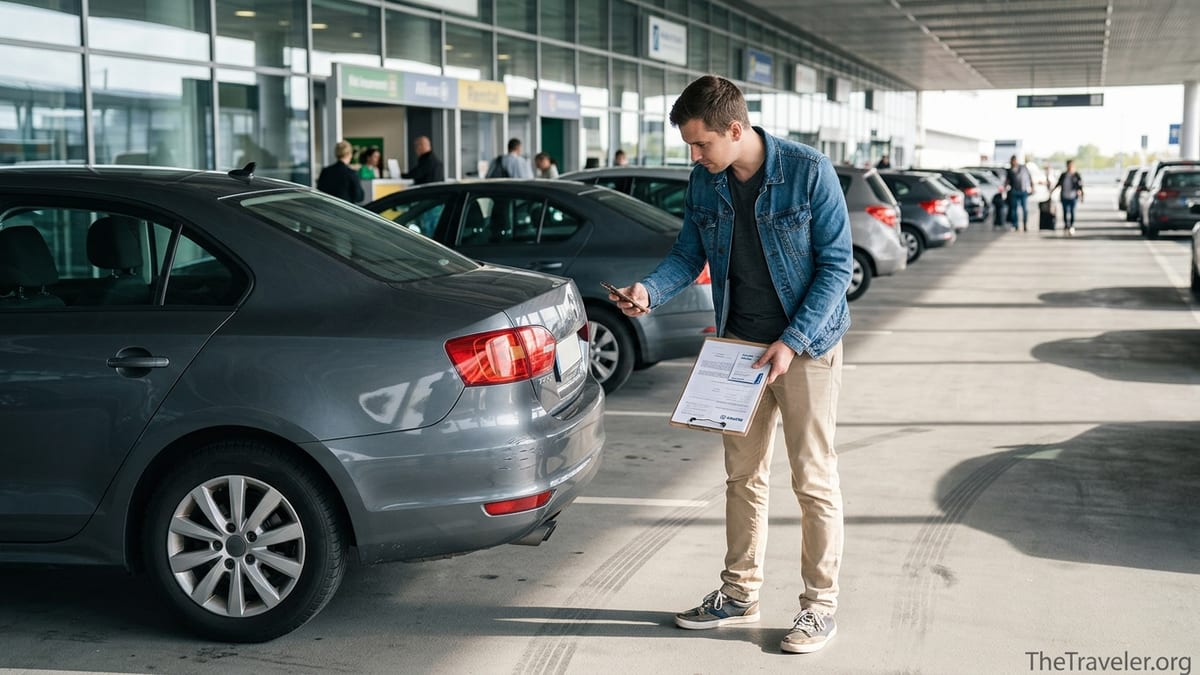
What Allianz Rental Car Insurance Actually Is
The first thing to understand is that Allianz does not typically sell full-blown auto insurance to U.S. drivers in the way a company like State Farm or GEICO does. Instead, it focuses on travel-related products, including stand-alone rental car damage coverage that functions a lot like a collision damage waiver you would buy at the counter. In practice, that means Allianz is not replacing your liability insurance; it is stepping in to cover damage or theft of the rental car itself, up to a stated limit.
In the United States, this coverage is sold under names like OneTrip Rental Car Protector, or simply Rental Car Damage and Theft Protection, and is often offered as a checkbox when you book through an online travel agency. The core benefit is a fixed maximum for repair or replacement of the rental vehicle if it is damaged in a covered incident or stolen. One current Allianz Rental Car Protector plan marketed through partners advertises up to tens of thousands of dollars in coverage per rental for damage and theft, which is in line with typical credit card collision damage benefits and enough to cover a mid-size or even many full-size rental vehicles.
Allianz rental coverage is usually structured as a single-trip, single-fee product, not a recurring monthly policy. You buy it for the specific dates of your rental, pay once, and the coverage ends when you return the car. That makes it appealing for travelers who do not rent cars often, or who are renting in places where their usual protections do not reach. The fine print matters, however, because details such as who must be listed as a driver, where the car is rented, and how long the rental lasts can all affect whether a claim will be paid.
Outside the United States, Allianz offers similar products tuned to local norms. In Australia, for example, rental vehicle excess coverage is built into certain travel insurance plans and reimburses the deductible or damage liability fee that a car rental company charges after an accident or theft. In Canada and parts of Europe, Allianz-branded collision damage waiver coverage is sold through automakers, brokers, or online travel agencies with benefits that look very similar to U.S. versions but with local currency limits and governing law.
How Allianz Coverage Compares With Rental Counter Insurance
To understand whether Allianz is worthwhile, you have to compare it with the default option at the rental counter: the company’s own collision damage waiver or loss damage waiver. At major brands like Hertz, Avis, or Enterprise in the United States, that waiver can easily add 25 to 35 dollars per day for a compact car and even more for premium vehicles. Over a 7-day trip, that means 175 to over 250 dollars tacked onto your bill purely for damage coverage you may not strictly need.
Allianz’s rental car protection is typically priced as a flat fee for the entire rental period, not a nightly add-on. It is common to see quotes around 9 to 15 dollars per day equivalent for a short 3-day rental, but capped so that a 14-day rental might cost something closer to 100 to 150 dollars in total. Travelers on forums routinely report paying between about 50 and 120 dollars for Allianz coverage on week-long rentals that might otherwise incur 250 dollars or more in waiver fees at the counter. The savings are especially notable on longer trips, where daily waivers snowball.
There are trade-offs. Most rental company waivers are extremely simple to use. If you back into a pole in a Denver parking garage, pay for the company’s full waiver, and the damage falls under that waiver, the rental agency usually absorbs the loss with minimal paperwork. In contrast, Allianz functions more like travel insurance. If a tree branch falls on your windshield in Miami, the rental company will still charge you for repairs, and you then file a claim with Allianz to be reimbursed for the covered amount, submitting the rental agreement, damage report, and receipts. Travelers who have posted about Allianz claims online describe this process as straightforward but paperwork-heavy, with timelines ranging from a few weeks to a couple of months depending on the complexity of the claim.
Another key difference is the scope of coverage. Rental counter waivers frequently include loss of use and administrative fees automatically, meaning the days the car is out of service and the company’s internal charges are all wrapped into your protection. Allianz’s terms generally list covered damage types and may cap or exclude certain fees, especially those that cannot be documented by the rental company. Before relying on Allianz entirely, it is wise to read your particular policy’s handling of loss of use, diminished value, and administrative charges, because those items can add hundreds of dollars to a bill after even a small fender bender.
Allianz vs Credit Card Rental Car Coverage
Many travelers assume their credit card will take care of any rental car incidents and are surprised when they discover the limits of that coverage. Most mainstream credit cards, particularly no-fee and cash-back cards, offer what is called secondary rental car coverage. That generally means the card will cover damage or theft of the rental car after your personal auto insurance pays, often reimbursing your deductible and some additional costs. A smaller group of premium travel cards, such as high-end products from Chase or American Express, provide primary coverage when you decline the rental company’s waiver, paying for covered damages without involving your auto insurer.
Allianz effectively slots in as a primary-style damage policy that you purchase explicitly for the rental period. Unlike a credit card that silently includes coverage when you meet certain conditions, Allianz requires you to buy and name the drivers, and then stands on its own as an insurance contract. In a practical scenario, imagine you rent a compact car in Portland for 8 days using a mid-tier travel card that has only secondary coverage, and you do not want an accident to touch your personal auto policy back home. Buying Allianz rental car protection for perhaps 80 to 120 dollars for the trip could give you a dedicated pool of coverage so you never have to involve your primary insurer at all.
On the other hand, if you already carry a premium card that offers robust primary rental coverage up to the actual cash value of the vehicle, paying extra for Allianz may be redundant. For example, a traveler with a top-tier travel card that explicitly covers collision and theft, loss of use, and reasonable administrative fees on rentals up to 31 days might get little added benefit from Allianz unless they are renting in a country or situation where the card’s coverage does not apply. Credit card benefits guides often exclude certain countries, types of vehicles like large vans or trucks, and rentals longer than a set duration.
A subtle but important difference is how these products are triggered. With most cards, you must decline the rental company’s collision damage waiver and pay for the entire rental with the card that provides coverage. If the rental firm includes a mandatory waiver in the price, as sometimes happens in parts of Europe or Latin America, card coverage may not apply. Allianz, by contrast, can sometimes be layered on top of whatever the rental company includes, although any overlapping protection may complicate claims and reimbursement amounts. For many cautious travelers, the choice comes down to whether they prefer the simplicity of a single, clearly documented Allianz policy or the convenience of built-in credit card coverage that costs nothing extra at the time of booking.
How Allianz Interacts With Your Personal Auto Insurance
For U.S. residents who own a car, the starting point for rental coverage is usually their existing auto policy. In most states, if you have collision and comprehensive coverage on your own vehicle, that protection follows you to a standard passenger car rental used for personal travel, subject to the same deductibles and limits. This means that if you sideswipe a guardrail in Phoenix in your rental sedan, your personal insurer can treat it much like any other claim, increasing your risk of a rate hike at renewal.
Allianz rental car protection offers an alternative path. Instead of calling your auto insurer, you can submit the loss to Allianz up to the policy limit, paying any deductible defined by the Allianz contract rather than the potentially higher deductible on your personal auto policy. In practice, some travelers choose Allianz specifically to keep minor damage claims off their personal record. A cracked bumper or scraped door that costs 1,200 dollars to fix may be more comfortably handled through a one-off Allianz policy than through an insurer that will reprice your premium over the next few years based on the claim.
There are limits, however. Allianz rental car plans do not generally provide liability coverage for injuries to other people or damage to their property. That type of protection is typically handled either by your personal auto policy, by a supplemental liability package sold by the rental company, or by a separate non-owner auto policy. If you do not own a car and have no existing auto coverage, you may still need the rental company’s liability insurance even if you buy Allianz for damage to the rental vehicle. This is a crucial distinction, because a serious at-fault accident without liability protection can expose you to substantial personal financial risk.
Travelers sometimes ask whether buying Allianz will completely shield them from dealing with their auto insurer after a major crash. The honest, conservative answer is that it depends on the severity of the incident and the interplay of state law, rental contracts, and your personal policy language. In a very large claim, the rental company or another party could still attempt to involve your personal carrier as a deeper pocket. That is another reason to treat Allianz as a strong layer of damage protection, but not a magic shield that eliminates all other insurance considerations.
Real-World Examples of Allianz Rental Coverage in Action
Consider a family flying from Chicago to Orlando for a 10-day theme park vacation. At the booking stage on a major travel site, they are offered Allianz Rental Car Protector for their mid-size SUV at around 11 dollars per day, totaling about 110 dollars. If they wait until the airport counter and buy the rental company’s collision damage waiver, they may be quoted 32 dollars per day, which would cost roughly 320 dollars over the same period. The Allianz plan, if purchased and used correctly, could protect them from paying out of pocket for damage or theft to the SUV up to the policy limit while saving them more than 200 dollars versus the waiver alone.
In another scenario, a solo traveler without a personal car policy at home books a compact car in Los Angeles through a broker and adds Allianz rental damage coverage for the week. When she arrives, the rental agent strongly recommends their own full coverage bundle that includes both collision waiver and supplemental liability. This traveler might sensibly decline the collision portion because Allianz already addresses vehicle damage, but still purchase the rental company’s liability coverage to protect against injuring another driver. Her out-of-pocket for Allianz plus liability might end up close to what the rental company wanted for its bundled package, but with the reassurance that she has a named Allianz policy she can claim against if the car is scratched or stolen.
Real-world claims experience varies. Some travelers describe relatively smooth Allianz reimbursements for windshield replacements or small dents in European rentals, provided they had detailed time-stamped photos and police or incident reports where required. Others report frustration when rental companies could not or would not provide itemized proof of loss-of-use charges that Allianz asked for, delaying or reducing payment. A recurring theme is that meticulous documentation at pickup, drop-off, and after any incident dramatically improves the odds of a quick, favorable outcome with Allianz or any similar insurer.
The timing of a purchase can also matter. For example, certain Allianz travel plans that include rental car damage protection may require that you buy the plan before or soon after your first trip payment. Stand-alone rental car products bought through travel sites are usually more flexible and can be added shortly before pickup. Reviewing these timing rules a week or two before your trip is smarter than waiting until you are standing at the rental desk with a queue behind you and only a few minutes to decide.
Key Exclusions and Fine Print You Cannot Ignore
Like all insurance, Allianz rental car protection comes with exclusions that can meaningfully affect your coverage. Common exclusions include rentals that exceed a certain number of consecutive days, usually around a month; vehicles that fall outside the standard passenger category, such as motorcycles, large cargo vans, or exotic cars; and use of the vehicle in ways that violate the rental contract, such as off-road driving or using the car for commercial hire. If you rent a pickup truck for a month-long cross-border move or plan to take a compact off paved roads in Iceland, you should not assume that a standard Allianz plan will respond.
Another frequent gap involves interior damage, tires, and glass. Some Allianz plans explicitly include coverage for windshields and tires; others exclude damage limited to these parts unless it occurs as part of a broader collision. Similarly, cosmetic issues such as minor paint scuffs or small upholstery stains may be treated differently than structural damage, depending on policy wording. Travelers who have encountered disputes over small interior issues, such as a broken cup holder or scratched plastic trim, often learn that rental companies classify these as chargeable damage even when the insurer views them as wear and tear.
Geography matters too. While Allianz markets rental coverage that works in many countries, there are often specific territories where coverage is limited or unavailable, and conditions for cross-border rentals can be strict. For example, an Allianz-backed collision damage product offered through a Canadian bank may explicitly require that the car remain in Canada and the continental United States. If you intend to drive into Mexico or between European countries, checking that your particular Allianz plan permits this is crucial. Relying on a generic assumption that “it works everywhere” is risky.
Finally, Allianz, like many insurers, typically requires prompt reporting of any incident. That means notifying both the rental company and Allianz within a specified window, sometimes as short as 24 hours or by the time you return the vehicle, whichever comes first. Travelers who wait until they are home to mention a cracked bumper or windshield often find that claims representatives point to these timing requirements in the policy as grounds for denying or limiting coverage.
The Takeaway
Allianz rental car insurance fills a distinct niche in the travel protection landscape. It is most compelling for travelers who do not want rental incidents to touch their personal auto policy, those whose credit cards lack primary coverage, and those planning longer or international rentals where daily counter waivers become expensive. When used in that context, Allianz can provide sizable savings and a clear, written promise of coverage for damage or theft to the rental vehicle up to a meaningful limit.
However, Allianz is not a universal solution. It does not generally replace liability insurance, and its effectiveness depends on careful attention to eligibility rules, vehicle types, rental duration, and geography. Travelers with strong primary credit card coverage or exceptionally simple domestic rentals may find that their existing protections are sufficient, making Allianz an unnecessary extra. As with all insurance decisions, the best choice comes from mapping your specific trip, your current protections, and your personal risk tolerance against the actual wording of the product you are considering.
In practical terms, the smart move is to inventory your protections a few weeks before any trip that involves a rental car. Confirm what your auto insurer covers, read the rental car benefits guide for the card you plan to use, and then compare the cost and scope of Allianz rental coverage offered through your booking channel. For many travelers, especially occasional renters and international drivers, Allianz can be the final piece of a well-constructed safety net. For others, it will simply be one of several overlapping options that can be safely declined once you know exactly what you already have.
FAQ
Q1. Does Allianz rental car insurance cover liability to other drivers or property?
Allianz rental car protection typically focuses on damage or theft of the rental vehicle itself and does not replace liability coverage for injuries to others or damage to their property. You may still need liability protection through your personal auto policy or supplemental liability coverage from the rental company.
Q2. How much does Allianz rental car insurance usually cost compared with the rental company’s waiver?
Prices vary by partner and location, but Allianz rental car coverage often works out to roughly 9 to 15 dollars per rental day equivalent, frequently capped for longer trips. Rental company waivers in the United States can run 25 to 35 dollars per day or more, so Allianz can be significantly cheaper over a week or longer.
Q3. If I have a credit card with rental car coverage, do I still need Allianz?
Not always. If your credit card offers strong primary collision and theft coverage for rentals where you are traveling, Allianz may be redundant. However, if your card only provides secondary coverage, excludes the country you are visiting, or caps benefits at a low level, Allianz can serve as a dedicated layer of protection for damage to the rental car.
Q4. Can I use Allianz rental car insurance without owning a personal car or auto policy?
Yes. Allianz rental car damage coverage can be useful for travelers who do not own a car and therefore lack a personal auto policy. In that situation, Allianz may cover the rental vehicle’s damage or theft, but you would still need to consider how to obtain liability protection, typically from the rental company.
Q5. Does Allianz cover loss of use and administrative fees from the rental company?
Many Allianz plans address certain fees, but coverage for loss of use and administrative charges often depends on the rental company providing specific documentation and on the exact policy wording. Travelers should review their individual plan’s terms to see how these fees are treated, and should request itemized invoices from the rental company after any incident.
Q6. Are one-way rentals or cross-border trips covered by Allianz?
They can be, but coverage is not automatic. Allianz policies often specify the countries where coverage applies and may restrict cross-border use or one-way rentals. Before relying on Allianz for a multi-country road trip or a one-way drop, you should confirm that your plan explicitly allows those arrangements.
Q7. What happens if I damage the car but do not report it until after I get home?
Most Allianz rental car plans require prompt reporting of any incident to both the rental company and Allianz, typically within a set timeframe or by the time you return the vehicle. Delayed reporting can jeopardize your claim, so it is important to notify both parties as soon as damage occurs or is discovered.
Q8. Does Allianz rental car insurance cover long-term rentals?
Allianz coverage is generally intended for short to medium-length rentals and often has a maximum duration, such as around 30 or 31 consecutive days. If you are planning a long-term rental or extended stay, you may need a different type of policy or a series of shorter rental contracts to remain within coverage limits.
Q9. Are all drivers on the rental automatically covered by Allianz?
Typically, Allianz requires that any driver be an authorized driver on the rental agreement and that they meet the age and licensing requirements stated in the policy. If a friend or family member drives the car without being listed on the rental contract, Allianz may decline coverage for incidents that occur while they are behind the wheel.
Q10. Is Allianz rental car insurance worth it for simple domestic trips?
It can be, but it depends on what coverage you already have. For a short domestic rental where your personal auto policy and a strong credit card benefit already cover damage to the rental car, Allianz may not add much. For travelers who want to avoid involving their auto insurer, lack robust card coverage, or are booking longer trips, Allianz becomes more attractive.