


More news on this day
American Airlines is accelerating a major cabin overhaul across its narrowbody fleet, increasing the number of premium seats on select Airbus single-aisle aircraft as part of a broader strategy to capture growing demand for higher-yield travel within North America.
Get the latest news straight to your inbox!
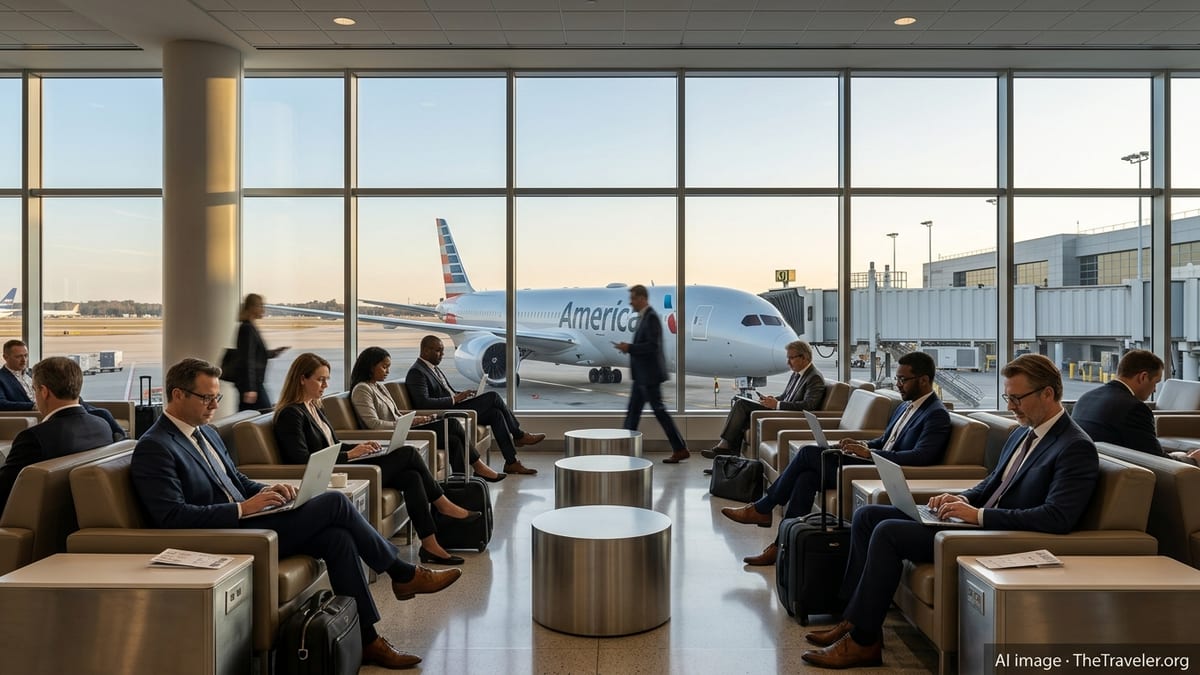
Retrofits Target A319 And A320 With Larger First Class Cabins
According to recent company disclosures and fleet updates, American is in the midst of a multi‑year retrofit program for its Airbus A319 and A320 aircraft that centers on expanding domestic first class. Publicly available information indicates that the A319 fleet will move from eight to 12 first class seats, while the larger A320 will see its premium cabin grow to 16 seats. The changes are being introduced as part of wider cabin refreshes that also include new seats, power at every seat and larger overhead bins.
Reports from aviation outlets and investor filings describe the A319 and A320 as key workhorses on business‑heavy routes where demand for extra comfort and flexibility is strong. By adding a full additional row of first class on the A319 and two more rows on the A320, American is positioning these aircraft to generate more revenue from travelers willing to pay for extra space or last‑minute upgrades.
Enthusiast coverage and customer commentary suggest that the retrofitted cabins are already appearing on select routes, with early feedback noting a visibly larger premium section at the front of the aircraft. At the same time, the airline is maintaining overall seat counts within regulatory and operational limits, which means some of the additional first class capacity comes from rebalancing space between Main Cabin and extra‑legroom seating toward the front of the plane.
The Airbus narrowbody refresh follows several years in which American focused primarily on harmonizing its Boeing 737 and Airbus A321 configurations. The latest round of modifications marks a shift toward using the smaller A319 and A320 as more premium‑focused tools within the domestic network.
Fleet Strategy Shifts Toward Higher-Yield Cabins
American has repeatedly flagged premium growth as a central pillar of its fleet and revenue strategy, and recent financial filings outline a plan to boost premium seating across both narrowbody and widebody aircraft by the end of the decade. For the single‑aisle fleet, that effort now centers on a mix of retrofits and new deliveries that together increase the share of seats generating higher fares.
On the retrofit side, the A319 and A320 updates add more first class seats while introducing standardized in‑seat power and refreshed interiors designed to appeal to frequent flyers. On the new‑delivery side, American has outstanding orders for additional Airbus A321neo and Boeing 737 MAX jets, and it is taking delivery of Airbus A321XLR aircraft configured with long‑haul business suites and premium economy. Although the A321XLR is aimed primarily at transatlantic and long domestic routes, it reflects the same shift toward premium density on narrowbody airframes.
Corporate materials and sustainability reports emphasize that these moves are not just about comfort, but also about economics. By pairing newer, more fuel‑efficient narrowbodies with more premium seats, American aims to improve revenue per available seat mile while moderating operating costs. The airline has highlighted targeted growth in lie‑flat and other premium seats through 2029, tying the strategy to both network flexibility and profit improvement.
Industry analysts note that the approach aligns with broader U.S. market trends, where strong demand for front‑cabin and extra‑legroom seating has outpaced growth in standard economy. American’s decision to carve out more first class seats on aircraft like the A320 signals confidence that this demand will remain resilient, particularly on routes favored by corporate and high‑value leisure travelers.
Implications For Domestic Travelers And Cabin Experience
For passengers, the most visible change on retrofitted A319 and A320 aircraft will be a larger first class cabin and a more segmented layout between premium and standard economy. Travelers looking for upgrades or redeeming frequent flyer miles may find slightly better odds of securing a seat in the front on routes served by these aircraft, although actual availability will continue to depend on load factors and elite demand.
At the same time, some economy passengers are likely to experience a tighter cabin. Coverage from aviation blogs and traveler reports indicates that the additional first class rows come with denser layouts in the main cabin, mirroring broader industry trends toward slimmer seats and optimized pitch. While American is introducing modernized interiors, larger bins and consistent power outlets, not all customers will view the trade‑offs in legroom and personal space favorably.
American is also updating the broader onboard experience alongside the new seating plans. Separate announcements in 2024 detailed refreshed soft‑product elements such as upgraded amenities, revised catering and enhancements to in‑flight entertainment and connectivity, particularly on newer narrowbody aircraft. These changes are designed to make the expanded premium cabins more attractive and to differentiate the experience from standard economy, even on shorter domestic flights.
Travelers who prioritize seatback screens may notice a mixed picture, as some of the refreshed Airbus cabins rely more heavily on personal devices paired with high‑speed connectivity rather than built‑in monitors. The combination of more premium seating, improved Wi‑Fi and updated soft services reflects a deliberate shift toward a digitally oriented, tiered product offering.
Competitive Context In The U.S. Premium Market
American’s narrowbody premium expansion comes amid an intense competition for high‑yield travelers among major U.S. carriers. Rivals have invested heavily in refreshed domestic first class and expanded extra‑legroom sections, while also rolling out true premium economy and upgraded business cabins on long‑haul aircraft. By increasing the number of premium seats on its Airbus narrowbodies, American is seeking to defend and grow its share of this lucrative segment.
Industry commentary points out that American’s hub structure, particularly at Dallas Fort Worth, Charlotte, Phoenix and Miami, gives it a large base of domestic and short‑haul international traffic where narrowbodies dominate. Strengthening the premium offering on aircraft like the A319 and A320 supports that network by making it easier to price up willing travelers and by providing more consistent front‑cabin products across fleets.
At the same time, American has chosen not to significantly increase first class capacity on all of its narrowbody types. Specialist coverage notes that existing configurations on Boeing 737s and standard A321 variants remain broadly unchanged in terms of first class seat counts, suggesting a more targeted approach focused on aircraft where the economics and route profiles most strongly favor additional premium seating.
For now, the strategy suggests that American is betting on a future in which more passengers are prepared to pay extra for space and service, even on shorter hops. As additional retrofitted aircraft enter service and new premium‑heavy narrowbodies join the fleet, the balance between comfort and density across American’s domestic network is set to shift further toward the front of the plane.