


More news on this day
American Airlines has detailed plans for what publicly available information describes as its largest-ever cabin overhaul, announcing that new and retrofitted Boeing 737 and Airbus A321 aircraft will receive 4K seatback entertainment screens, expanded power options, and more premium seating beginning in 2028.
Get the latest news straight to your inbox!
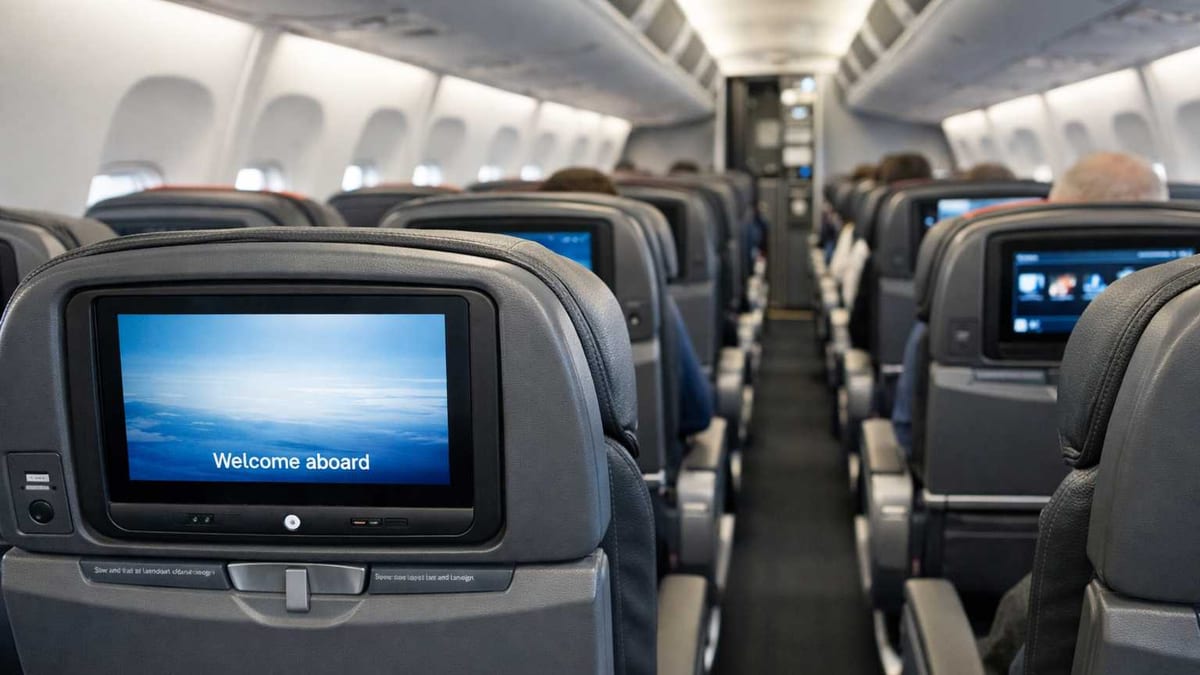
Reversing Course on Seatback Screens
According to published coverage of the announcement, American Airlines intends to reintroduce built-in entertainment screens across its domestic narrowbody fleet after years of favoring streaming to passengers’ personal devices. Reports indicate that from 2028, every seat on newly delivered and modified Boeing 737 and Airbus A321 aircraft will feature a high‑resolution 4K screen, marking a major shift for the carrier’s onboard product strategy.
Recent discussion across industry and aviation forums highlights how notable this move is for American, which had previously removed most seatback systems from its 737 and A321 fleets in favor of the so‑called “bring your own device” model. Travelers on many domestic routes today rely on their phones, tablets, or laptops for entertainment, supported by onboard Wi‑Fi. The decision to invest again in embedded screens aligns American more closely with competitors that have leaned on in‑seat entertainment as a point of differentiation.
The airline’s plan positions the new screens as part of a broader technology refresh rather than a stand‑alone amenity. Publicly available information suggests that American aims to pair the hardware upgrade with improved connectivity, reflecting feedback from frequent flyers who have pushed for more reliable Wi‑Fi and easier access to power at every seat.
The shift also comes as American marks its centennial period and looks to refresh its brand image in the cabin. Analysts note that the return of screens, particularly in 4K resolution, may help the airline better compete on traveler perception, especially on longer domestic flights where seatback entertainment is increasingly expected.
4K Displays, Bluetooth Audio and Power at Every Seat
Details shared in official materials and summarized in news coverage describe a next‑generation inflight entertainment platform built around large 4K displays at each seat. The new system is expected to support vivid color, higher contrast and improved responsiveness, bringing the inflight experience closer to what customers are used to at home.
In addition to the screens themselves, American’s narrowbody cabins are slated to receive upgraded power options, including USB‑C charging ports and standard AC outlets. This will allow passengers to power laptops and larger devices while still running the seatback entertainment system, addressing a long‑standing pain point on older aircraft where power availability was limited or inconsistent.
Bluetooth connectivity for personal headphones is also planned as part of the overhaul. This feature, which has begun appearing on American’s latest widebody aircraft and in premium cabins, allows travelers to pair their own wireless earbuds or headsets directly with the seatback system. For passengers, the ability to use familiar devices without cables represents a significant quality‑of‑life improvement, especially on full flights where cords can be cumbersome.
Reports further note that the updated cabins will be designed to integrate these technologies cleanly, with efforts to minimize under‑seat boxes and other equipment that can limit legroom. While exact screen sizes may vary by cabin, available descriptions point to some of the largest displays currently planned on North American narrowbody aircraft.
More Premium Seats on 737 and A321 Aircraft
Alongside the return of seatback entertainment, American’s cabin revamp includes changes to seating layouts on both Boeing 737 and Airbus A321 jets. Coverage of the plan indicates that the airline will add more premium seats, including an expanded First Class section and additional Main Cabin Extra rows with extra legroom.
On upcoming Boeing 737 MAX 10 deliveries, reports note a configuration with 24 First Class seats, a noticeable increase compared with many current 737 layouts. The Airbus A321neo fleet is also expected to be reconfigured to feature more First Class seating, giving American greater flexibility to sell premium products on high‑demand domestic routes.
The move toward more premium capacity reflects broader industry trends, as airlines respond to sustained demand from frequent business travelers and high‑spend leisure customers seeking extra comfort. By pairing larger premium cabins with upgraded entertainment and power, American is positioning its narrowbody fleet as a more compelling option on transcontinental and longer domestic flights.
At the same time, the airline appears committed to maintaining a dense overall layout, consistent with its existing “Oasis” configurations that prioritize high seat counts. Observers suggest that the balance between added premium seats and overall cabin density will be closely watched by regular travelers who are sensitive to legroom and seat width in standard economy.
From Widebody Flagship Upgrades to a Fleetwide Strategy
American has already begun rolling out many of these technology features on its new and refurbished widebody aircraft. Recent Boeing 787‑9 deliveries and forthcoming Airbus A321XLR jets have been showcased with 4K QLED screens, Bluetooth audio, USB‑C power and refreshed premium cabins featuring the airline’s Flagship Suite product.
Those long‑haul aircraft have served as a testbed for the new design language, materials and technology that will now migrate to domestic workhorses like the 737 and A321. Industry analysts view the narrowbody retrofit as the next step in unifying American’s onboard experience, so that customers encounter similar interfaces and amenities whether flying internationally or within the United States.
Public information on the program suggests that American will phase in the new interiors over several years, blending factory‑fresh aircraft with retrofitted airframes already in the fleet. This gradual approach is typical for large airlines managing complex schedules and maintenance cycles, but it also means that passengers will experience a mix of old and new cabins for an extended period.
For American, the long lead time provides an opportunity to gather feedback and refine details such as content curation, user interface design and accessibility features on the inflight entertainment system. It also allows the airline to coordinate cabin work with ongoing investments in high‑speed connectivity, including previously reported talks with satellite providers for upgraded onboard Wi‑Fi.
What Travelers Can Expect From 2028 Onward
While specific rollout timelines may evolve, travelers can expect the first narrowbody aircraft with the new 4K seatback systems and revised seating layouts to enter service from 2028. Initial examples are likely to appear on newly delivered Boeing 737 MAX and Airbus A321neo aircraft before the retrofit work expands to older jets.
For passengers, the most visible change will be the return of a personal screen at every seat on affected aircraft, including in standard Main Cabin. Movie and television libraries, interactive maps and possibly new digital services will be accessible without relying on a separate device, although streaming to personal electronics is still expected to be supported.
Frequent flyers on American’s busiest routes may also notice a higher chance of securing a premium seat, either in First Class or Main Cabin Extra, as more rows are dedicated to these products. Combined with the spread of high‑speed Wi‑Fi and expanded power, the experience on many domestic flights should feel closer to that offered on the airline’s newest long‑haul jets.
However, given the size of American’s 737 and A321 fleets, the transformation will take time. Travelers booking flights in the late 2020s and early 2030s are likely to encounter a mix of cabin types and will need to pay close attention to aircraft details and seat maps when choosing itineraries. For now, the announcement signals a clear strategic pivot: American is betting that investing in 4K seatback entertainment and more premium space will pay off in customer satisfaction and competitive positioning in the years ahead.