


More news on this day
An American Airlines passenger flight reportedly endured a 7.5-hour delay before ultimately being diverted to the wrong city, an episode that has drawn renewed attention to reliability, contingency planning, and customer communication in the increasingly strained U.S. air travel system.
Get the latest news straight to your inbox!
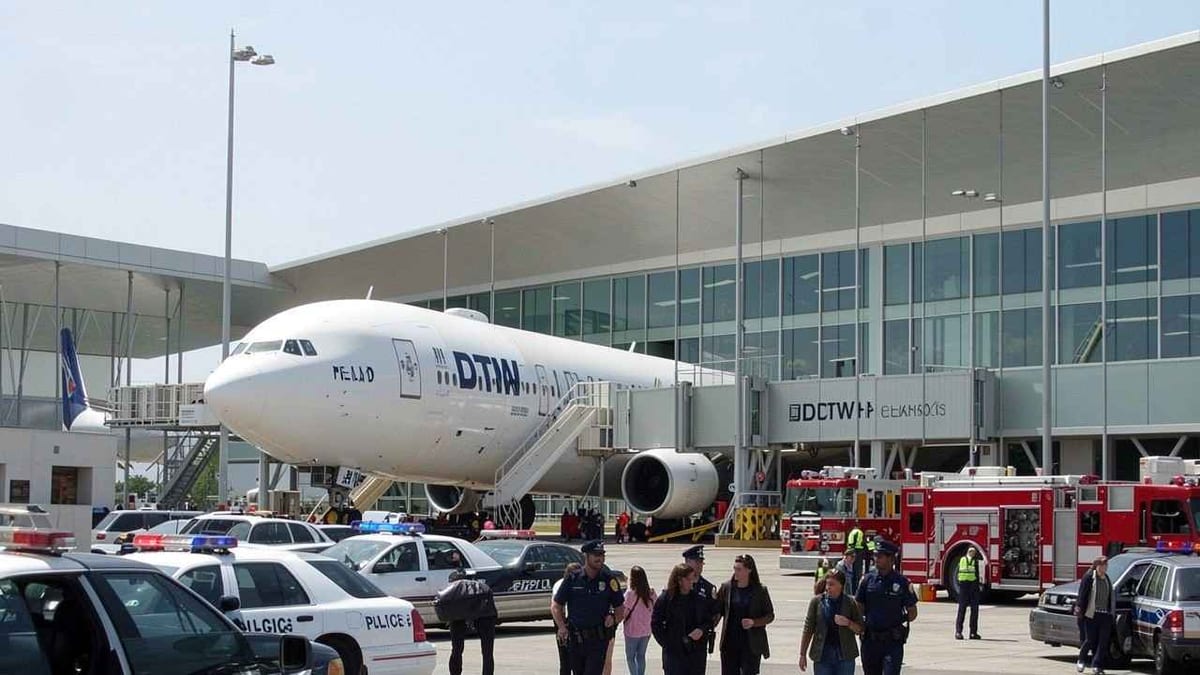
A Marathon Delay Followed by an Unexpected Diversion
According to multiple online accounts and aviation tracking data, the American Airlines service in question was scheduled to operate a routine domestic route but quickly turned into an ordeal for travelers. Passengers reportedly faced a ground delay of around seven and a half hours, with departure repeatedly pushed back as the operating crew and airline attempted to manage weather and operational constraints.
Publicly available flight-tracking information indicates that the aircraft eventually departed long after its planned time, only for the journey to take another unexpected turn while in the air. Instead of reaching its intended destination, the flight diverted and landed at a different city airport, forcing passengers to reorganize onward plans late into the travel day or overnight.
Accounts shared by travelers suggest that the diversion was not to a nearby alternate that would allow a quick turnaround to the original destination, but to an airport in a completely different city, far from where many had planned ground transportation and accommodation. The sequence of events has fueled frustration over how long delays and diversions are handled, particularly when compounded in a single trip.
While diversions are not uncommon during periods of severe weather, airport congestion, or crew duty-time limits, the combination of a protracted ground delay followed by an arrival in the wrong city has resonated widely among frequent flyers and industry watchers.
Operational Pressures and Weather Disruptions
Operational data and aviation industry reporting indicate that airlines across the United States remain under heavy pressure during peak travel periods. Weather disruptions, air traffic control constraints, and tight crew scheduling can converge to create extended delays. When a flight already starts late, the margin for dealing with further disruption in the air is significantly reduced.
In this case, reports indicate that a mix of factors likely contributed to the ultimately circuitous journey. Long delays on the ground can push crews close to their regulated duty-time limits, while changing weather patterns or congestion at the destination may narrow the time window for a safe and timely arrival. If conditions or timing fall outside accepted parameters, a diversion to another city can become the only operationally viable outcome.
Industry analysts note that airlines’ recovery strategies have been tested repeatedly in recent years, particularly on busy domestic routes where schedules are tight and spare aircraft and crew can be limited. When an aircraft departs significantly behind schedule, any downstream disturbance can quickly ripple into major itinerary changes for passengers.
Publicly available information shows that similar multi-hour delays followed by diversions have affected several U.S. carriers during periods of severe thunderstorms and regional air traffic control programs, leading to a growing perception among travelers that such disruptions are becoming more common.
Passenger Experience and Communication Concerns
For passengers, the most immediate impact of this American Airlines incident appears to have been uncertainty and exhaustion. Travelers who believed they were finally en route after hours of delay ultimately landed in the wrong city, relying on hurried rebooking, hotel vouchers where available, or self-funded alternative transport to complete their journeys.
Reports from social media posts and online forums suggest that some travelers expressed frustration not only about the delay and diversion itself but also about how information was provided throughout the ordeal. Frequent flyers often emphasize that timely, transparent updates about the reasons for delays, the likelihood of further disruption, and expected arrival plans can make a significant difference in how such events are perceived.
Consumer advocates regularly highlight that clear communication, realistic rebooking options, and prompt assistance in arranging onward travel or overnight accommodation are critical components of airline service during irregular operations. When a flight is diverted to an entirely different city, those expectations become even more pressing, as passengers may face long distances to their intended destination.
Publicly accessible guidance from aviation and consumer agencies stresses that airlines retain broad operational discretion in responding to weather and safety-related issues, but that customer support and transparency during such disruptions remain key to maintaining trust.
Rules, Rights, and What Passengers Can Expect
The incident has also renewed focus on what protections U.S. passengers have in cases of extreme delay and diversion. In the United States, federal regulations prioritize safety and tarmac delay limits, but compensation policies for delays and cancellations are largely set by individual airlines and outlined in their contracts of carriage.
Publicly available policy summaries indicate that American Airlines, like many large carriers, differentiates between disruptions within the airline’s control and those attributed to weather or air traffic control. When the airline is responsible, passengers may be eligible for hotel accommodation, meal vouchers, or rebooking assistance. When weather or airspace constraints are cited, assistance can be more limited and may focus on rebooking without additional fees rather than financial compensation.
Travel experts often advise passengers on delayed or diverted flights to retain boarding passes, receipts, and any written communication from the airline as documentation if they later seek reimbursement or file a complaint. They also recommend monitoring the airline’s mobile app and flight-tracking tools to cross-check updates provided at the gate or onboard.
For international itineraries or journeys starting in regions governed by broader passenger-rights frameworks, different rules may apply, including fixed compensation thresholds for long delays or diversions. However, those protections typically do not extend to purely domestic U.S. flights, leaving many travelers dependent on airline-specific customer service policies and case-by-case goodwill gestures.
Broader Strains on the U.S. Air Travel System
This American Airlines disruption comes amid a broader pattern of operational strain across U.S. aviation, especially during holiday periods and peak travel seasons. Reports from transportation agencies and industry groups point to a combination of staffing challenges, congested hubs, and more frequent severe weather events affecting the reliability of domestic air travel.
Travel demand has remained strong, with passenger volumes at or above pre-pandemic levels on many routes. At the same time, airlines and air traffic control providers continue to adjust staffing and infrastructure, a process that can create bottlenecks when demand spikes. In such an environment, even relatively routine delays can cascade into significant schedule upheavals, making diversions more likely when flights fall behind.
Analysts note that as these patterns persist, episodes like a 7.5-hour delay followed by diversion to the wrong city may continue to surface prominently in public discussion, especially when travelers share their experiences widely online. Each high-profile disruption adds to ongoing debates about whether current rules, oversight, and airline practices adequately protect passengers from the most severe impacts of operational breakdowns.
For now, publicly available information about this American Airlines case underscores both the complexity of modern airline operations and the very personal toll such disruptions take on travelers who find themselves landing hours late and hundreds of miles from where they intended to be.