


More news on this day
An American Airlines flight operating between Miami and Tampa diverted to Orlando International Airport following what early reports describe as an unconfirmed operational disruption, with initial tracking data indicating the aircraft landed safely and passengers were taken off the plane without further incident.
Get the latest news straight to your inbox!
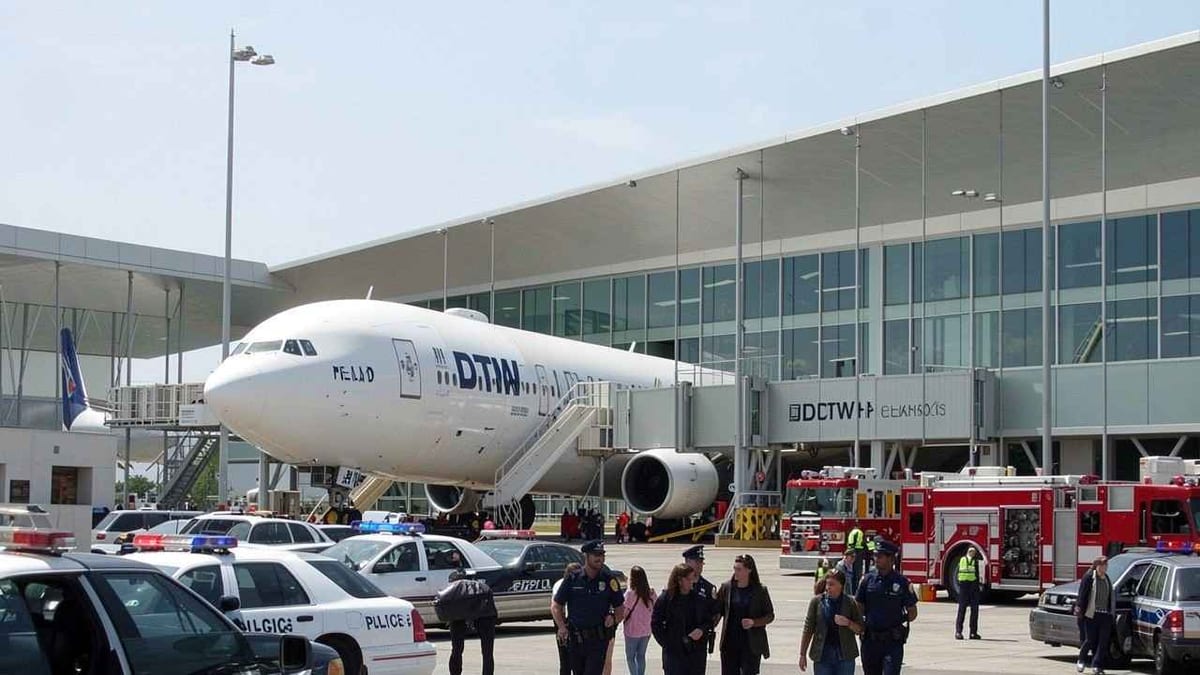
Flight From Miami Changes Course En Route to Tampa
Publicly available flight tracking information indicates that American Airlines flight AA2781, scheduled to operate between Miami International Airport and Tampa International Airport, deviated from its planned route and instead landed at Orlando International Airport. The diversion occurred while the aircraft was in the central Florida air corridor that links the three major airports, a region that frequently hosts heavy traffic from the carrier’s Florida network.
Data from commercial flight status and aviation tracking platforms show the aircraft departing Miami as planned before its route shifted toward Orlando, where it landed and taxied to a gate. No immediate indication of significant delay on departure was reported, suggesting that the disruption developed after takeoff rather than during preflight preparations.
At this stage, there is no detailed public statement identifying the root cause of the diversion. Reports describe the event as an operational disruption, a term that can encompass a wide range of issues including maintenance checks, onboard technical alerts, crew scheduling limitations, or conditions at the intended destination.
Operational Disruption Remains Unconfirmed
Information published so far does not specify whether the diversion was driven by a technical concern with the aircraft, ground conditions at Tampa, or traffic management measures in the region. Aviation reference materials note that operational disruptions can be triggered by factors such as onboard system alerts, weight and balance considerations, crew duty-time constraints, or air traffic control initiatives along the route.
Recent advisories from the Federal Aviation Administration’s Air Traffic Control System Command Center show that diversion recovery tools are sometimes activated for Orlando International Airport during periods of constrained airspace or heavy traffic, underscoring how quickly conditions can change across Florida’s interconnected airports. In such environments, carriers may opt to divert to nearby airports in order to keep flights moving and reposition aircraft and customers more efficiently.
Without a formal technical explanation posted on airline or regulatory channels, observers are classifying the event as an unconfirmed operational disruption. That phrasing reflects the lack of verified detail regarding whether the issue originated with the aircraft, ground handling, or the surrounding airspace.
Passengers Reaccommodated Through Orlando Hub Activity
Orlando International Airport plays a key role in central Florida’s air network and frequently functions as an alternate landing point for flights that cannot proceed to or depart from other airports in the state. Summer schedules show significant activity by major U.S. carriers at Orlando, and diversion recovery processes are periodically used there to support irregular operations.
In cases where flights are diverted from their intended destination, airlines typically arrange for passengers to continue their journey through a combination of rebooked flights, bus transport, or ground transfers. Public travel guidance and airline customer information pages emphasize that travelers affected by diversions should monitor mobile apps and airport display boards for updated departure times and new routing options.
For a short intrastate route such as Miami to Tampa, a diversion to Orlando can lead to a mix of outcomes for passengers. Some may be rebooked onto later flights into Tampa, while others may choose ground transportation from Orlando, depending on timing, connections, and individual travel needs. The presence of multiple daily services linking Miami, Tampa, and Orlando generally gives carriers flexibility in reorganizing disrupted itineraries.
Florida Weather and Airspace Complexity as Context
The diversion of AA2781 unfolds against the backdrop of a highly active summer travel period in Florida, where heavy passenger demand interacts with frequent convective weather. Industry research and recent traveler accounts highlight how quickly thunderstorms can force reroutes, holds, or diversions across the state’s tightly connected airports, including Miami, Tampa, and Orlando.
While no specific weather event has yet been publicly tied to this particular flight, the broader operational environment is shaped by patterns of afternoon storms and air traffic congestion that can ripple across multiple airports. Orlando is often used as a strategic alternate in this network, and diversion advisories for the area appear periodically in FAA operational planning documents.
Studies of U.S. airline operations note that carriers such as American Airlines face a complex balancing act during peak seasons, weighing on-time performance against the need to adjust routes for safety, regulatory compliance, and network resilience. Diversions are relatively infrequent compared with the total number of flights operated, but when they occur they can become highly visible events for the travelers directly affected.
Ongoing Monitoring and Lack of Reported Injuries
As of the latest publicly available information, there are no reports of injuries associated with the diversion of AA2781 to Orlando. The safe landing of the aircraft and the offloading of passengers appear to have proceeded routinely, aligning with descriptions from other recent diversions in which the most significant impact is additional travel time and schedule disruption rather than onboard safety incidents.
Travel resources that explain diversion procedures note that a change of destination airport does not, on its own, imply a major safety emergency. In many situations, diversions can be precautionary steps taken to address evolving technical readings, crew duty constraints, or ground conditions, with the priority placed on managing risk well before it escalates.
Further detail on the exact nature of the operational disruption behind AA2781’s diversion is likely to depend on future updates in public records, regulatory databases, or airline operational summaries. Until such information appears, the event stands as another example of how quickly routine short-haul flights within Florida can be reshaped by operational decisions made in real time.