


More news on this day
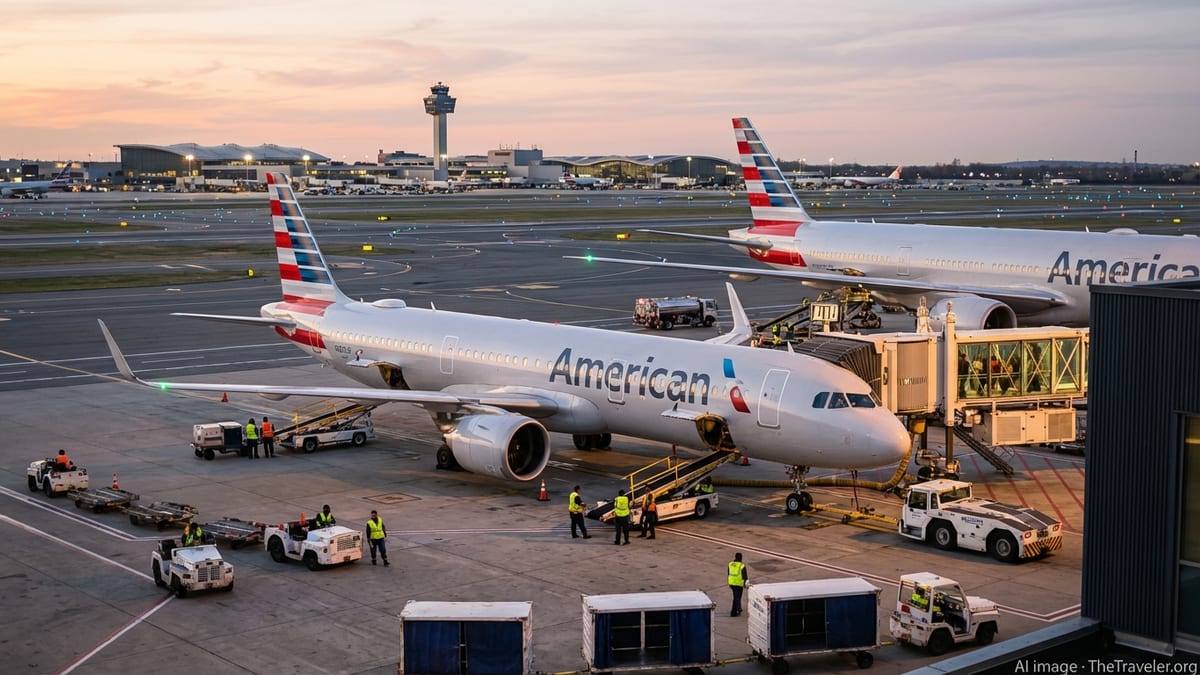
American Airlines is beginning to use its long-range Airbus A321XLR aircraft, complete with enclosed Flagship Suite business-class seats, on relatively short U.S. routes, giving some domestic travelers an unexpectedly upscale experience typically reserved for long-haul flying.
Get the latest news straight to your inbox!
Long-Haul Jet, Short-Haul Mission
The Airbus A321XLR was designed for extended-range flying, including transatlantic services, yet American is initially assigning the jet to high-profile domestic sectors such as New York to Los Angeles and Boston to Los Angeles. Publicly available schedules and route maps indicate that these aircraft, fitted with 20 Flagship Suite seats, are operating flights that take around six hours or less, well below the aircraft’s maximum capabilities.
The strategy reflects a familiar pattern in fleet introductions. Analysts note that airlines often place new long-range jets on shorter routes during the early phase of service, both to build crew experience and to showcase new cabins on trunk business markets. In American’s case, the A321XLR is substituting for older A321T transcontinental aircraft while still offering a three-cabin layout with lie-flat premium seating and upgraded inflight technology.
Industry coverage suggests American intends to shift more of its A321XLR flying to Europe from the first half of 2026, including a planned New York to Edinburgh link. For now, however, a limited subfleet is circulating on domestic flagship routes, creating a situation where some passengers on short flights find themselves in the newest version of American’s long-haul business suite.
Inside the Flagship Suite Cabin
Reports from aviation publications and early cabin reviews describe the A321XLR Flagship Suite as a step-change from American’s previous narrow-body premium layouts. The business cabin features 20 individual suites in a one-by-one configuration, each with direct aisle access, closing privacy doors, lie-flat beds, and expanded side storage compared with older transcontinental aircraft.
The suites are modeled closely on the product American has started to roll out on its latest Boeing 787-9 deliveries, creating a single design language across the airline’s most premium aircraft. Travelers have highlighted details such as wireless charging pads, larger entertainment screens, and more defined personal spaces, which are uncommon on single-aisle jets operating domestic routes.
Behind the suites, the A321XLR offers a small premium economy section with recliner-style seating and an updated main cabin with seatback entertainment and power at every seat. This configuration is more typical of a long-distance international aircraft, which makes its deployment on routes like New York to Los Angeles or Boston to Los Angeles stand out in the current U.S. market.
Why a Long-Range Aircraft on Short Segments?
A key question raised by frequent flyers is why American is using an “extra-long range” aircraft on sectors that existing A321 variants can already operate. Network planning commentary in trade coverage indicates that the airline is using the domestic phase to familiarize crews, test the Flagship Suite product at scale, and position aircraft for future international flying while additional deliveries arrive.
Shorter routes also allow American to showcase the cabins in some of its most competitive markets. New York to Los Angeles, New York to San Francisco, Boston to Los Angeles, and similar transcontinental sectors have long been battlegrounds for premium travelers. Deploying the A321XLR there, even temporarily, can help American generate awareness and demand for the new suite among corporate accounts and high-yield leisure travelers before the aircraft transitions to Europe and other long-haul destinations.
Another factor is fleet replacement. American is gradually retiring its specialized A321T subfleet, which previously offered distinct first and business cabins on premium transcontinental services. By inserting the A321XLR, the carrier can maintain or improve the level of onboard comfort while phasing in a more standardized long-haul product that will also appear on wide-body aircraft.
Passenger Reaction to Suites on Domestic Flights
Early impressions from frequent flyer communities and review sites suggest a mixed but generally positive response to the new suites on domestic routes. Many travelers praise the privacy doors, fully flat beds, and modern finishes, noting that the overall feel is closer to an international business cabin than a typical U.S. domestic configuration.
Some commentary, however, points to trade-offs inherent in fitting long-haul business suites into a narrow-body fuselage. A few passengers report that the high walls and enclosed design can feel somewhat confined, especially for those accustomed to more open transcontinental cabins. Others note that while the suite is excellent for sleeping on overnight flights, it may be more cabin than they feel they need on relatively short daytime segments.
Despite those reservations, the presence of lie-flat suites on short flights appears to be popular among travelers who can redeem miles or secure upgrades. The product also offers American a talking point in its efforts to differentiate itself from competitors on routes where all three major U.S. network carriers are vying for premium customers.
What Comes Next for the A321XLR Fleet
According to scheduling data and airline statements summarized in industry reports, American plans to expand A321XLR flying beyond transcontinental sectors as more aircraft enter the fleet. The type is expected to support seasonal and year-round services from the U.S. East Coast to a mix of primary and so-called secondary European cities that are better suited to a smaller, long-range narrow-body than to large wide-body jets.
Observers expect the domestic deployment to remain fluid as deliveries continue and as the airline fine-tunes where the suites deliver the greatest financial return. While some short-haul routes may lose the A321XLR once more aircraft are available for overseas duties, others could retain it if premium demand proves strong enough.
For now, the aircraft’s appearance on relatively short sectors gives a preview of how American envisions its future premium network. Travelers booking flagship domestic routes over the coming months may find that a ticket they expected to be on a standard transcontinental jet instead offers one of the most advanced business-class suites currently flying on a U.S. airline.