


More news on this day
Air travel across parts of East and Southeast Asia is facing fresh disruption as Typhoon Dolphin sweeps past Okinawa toward eastern China, colliding with ongoing airspace congestion and fuel-related capacity cuts to create a difficult and often unpredictable operating environment for airlines and passengers.
Get the latest news straight to your inbox!
Typhoon Dolphin Shutters Airports and Ripples Across Schedules
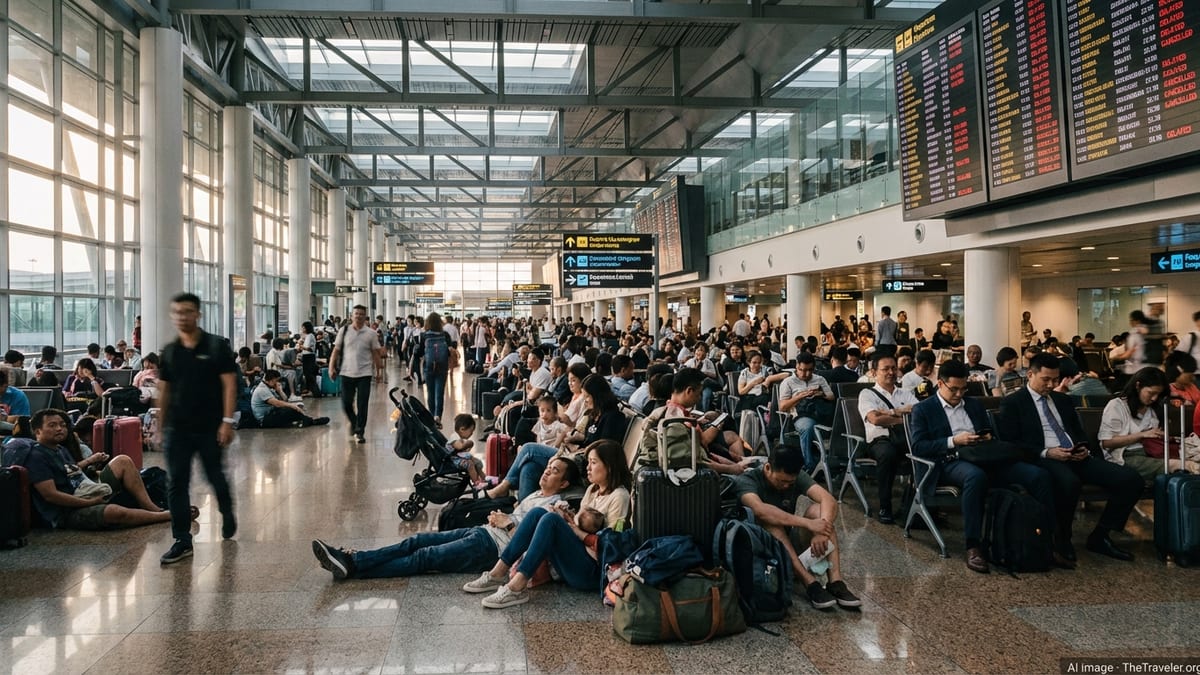
Typhoon Dolphin has already disrupted air travel in southern Japan, with published coverage indicating that the main airport on Okinawa closed as the storm passed over the Ryukyu Islands and all flights in and out were grounded. The shutdown stranded visitors, triggered rebookings and left airlines managing equipment and crew out of position for subsequent rotations across the region.
Forecasts now point to Dolphin tracking northwest toward the East China Sea and the Chinese coast, with warnings that the storm could bring heavy rain, strong winds and coastal flooding to cities including Shanghai over the coming days. Airlines serving Shanghai Pudong and nearby airports are preparing for potential runway closures, tighter flow control and knock-on delays as the system approaches densely trafficked air corridors.
Travel waiver notices from major international carriers highlight how operators are attempting to get ahead of the disruption. Some airlines have introduced flexible change policies for passengers ticketed through key hubs such as Shanghai and Taipei over a several-day window, encouraging early rebooking to spread demand away from the peak of the storm.
Local tourism hotspots are also bracing for impacts. Reports from Okinawa and coastal China indicate that tour operators, hotels and theme parks have scaled back operations or closed temporarily in response to the forecast, compounding the effect of canceled and delayed flights on short-haul leisure travel.
East Asia Airspace Congestion Adds Time and Complexity
The immediate impacts of Typhoon Dolphin are hitting an aviation system that is already under strain from structural congestion and shifting airspace patterns across the wider Asia to Europe corridor. Industry analyses show that conflicts in the Middle East and continuing restrictions over parts of Eastern Europe have narrowed the number of viable long-haul routes, forcing airlines to route more Asia bound flights through a smaller set of corridors.
With capacity through these safe pathways finite, the diversion of Europe and Middle East traffic has increased traffic density over parts of Central and South Asia and along coastal China and Japan, raising the risk that weather related constraints can have outsized effects. When a typhoon closes airports or forces reroutes around dangerous storm cells, the resulting bottlenecks are exacerbated by the lack of alternative routings and limited slack in the network.
Analysts note that longer routings to avoid closed or high risk airspace mean higher fuel burn and tighter crew utilization margins. When that is combined with approach and departure restrictions imposed by air traffic control during severe weather events, airlines can quickly run up against duty time limits for pilots and cabin crew, triggering further cancellations beyond the immediate storm zone.
Airport infrastructure in several Asian hubs adds an additional constraint. Single runway operations at some secondary airports, combined with noise curfews and limited overnight slots, reduce the ability of carriers to recover schedules once the worst of the weather has passed, extending delays into subsequent days even after Dolphin moves inland.
Fuel Costs and Capacity Cuts Shape Airline Responses
The storm is unfolding against a backdrop of higher jet fuel costs and supply uncertainty for Asia Pacific airlines. Recent economic outlooks for the sector highlight that carriers in the region are particularly exposed to disruptions in crude supply from the Persian Gulf, with higher prices and intermittent shortages already prompting capacity reductions and selective pruning of marginal routes.
Several Asian airlines have publicly described near term schedule adjustments as a way to align capacity more closely with demand and to contain fuel and operating costs. These changes range from cutting flight frequencies on less profitable routes to swapping in smaller aircraft on regional services, a strategy that helps preserve network breadth but leaves less surplus capacity on busy days when irregular operations occur.
When a typhoon like Dolphin hits, these leaner schedules give airlines fewer spare aircraft and seats to deploy for reaccommodation. Even when carriers are able to operate additional sectors after a weather disruption, higher fuel costs can limit the viability of extra flights or widebody upgauges, especially on trunk routes already lengthened by airspace detours.
The result is that some passengers are experiencing longer rebooking windows and more circuitous routings than they might have before recent geopolitical and fuel market shocks. Travel advisories increasingly encourage flexible planning, with a focus on building additional time into itineraries that cross multiple regions or rely on tight connections.
Passenger Experience: Waivers, Uncertainty and Planning Ahead
For travelers, the combined effects of Typhoon Dolphin, airspace congestion and tight airline capacity are most visible in rolling schedule changes and a proliferation of travel waivers. Several major carriers serving East Asia have issued time limited policies allowing free changes for journeys through affected hubs, typically requiring rebooking within a defined date range and on the same routing or airline.
Reports from traveler forums and social media suggest that demand for changes is strongest among visitors with discretionary trips to coastal destinations such as Okinawa and Shanghai, many of whom are opting to cancel or postpone visits rather than risk being stranded. Others are seeking to depart earlier or adjust routings to avoid overnight connections in airports likely to be affected by Dolphin’s passage.
Industry guidance emphasizes that conditions can shift quickly as typhoons change speed and intensity, and as air traffic managers balance safety considerations with pressure to resume operations. Passengers are being advised to monitor airline notifications closely, check airport departure boards frequently on the day of travel, and consider alternative routings where possible, particularly if traveling on complex multi stop itineraries.
Looking beyond Dolphin, analysts point out that extreme weather, constrained airspace and cost pressures are likely to remain recurring features of Asia’s aviation landscape. The latest disruptions are reinforcing a broader trend toward more dynamic scheduling, in which airlines revise timetables and capacity closer to departure, and travelers must be prepared for a higher level of uncertainty during peak storm seasons.