


More news on this day
Austria is consolidating its position as one of Europe’s most dynamic travel destinations, with new data showing record overnight stays as visitors fan out from blockbuster Alpine resorts to quieter valleys and culture-steeped cities.
Get the latest news straight to your inbox!
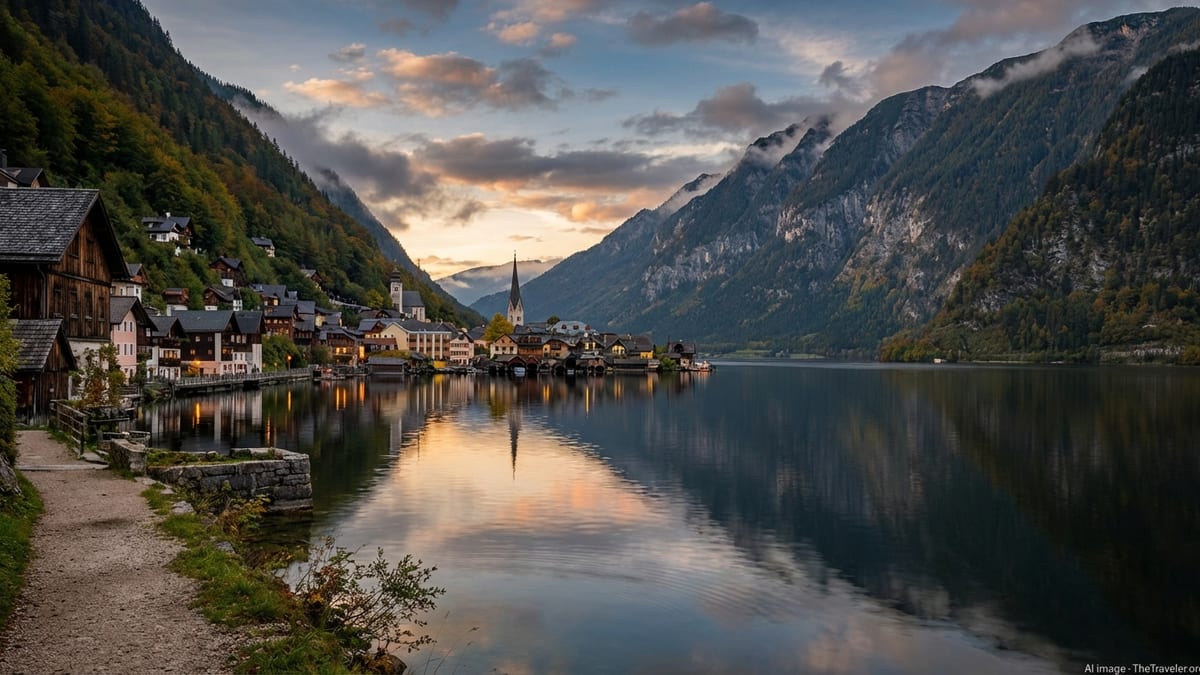
Record-Breaking Numbers Reshape Austria’s Tourism Landscape
Recent figures indicate that Austria has moved beyond recovery and into a phase of sustained tourism expansion. Statistics from national authorities show that overnight stays reached a new record in 2024, with around 154 million nights spent in accommodation across the country, surpassing pre-pandemic levels and underlining the scale of the sector’s rebound.
Economic analyses by Austrian banks and research institutes describe tourism as a key growth engine, with travel-related revenues in 2024 estimated to be significantly higher than in 2019. Industry reports note that both international arrivals and domestic holidays contributed to this performance, as residents continued to travel extensively within their own country while long-haul demand slowly returned.
Analysts highlight that summer has become particularly strong, driven by demand for cooler mountain climates, active holidays and nature-based experiences. This seasonal shift is reinforcing the dominance of Alpine regions such as Tyrol and Salzburg, where tourism’s contribution to local employment and value added is among the highest in Austria.
At the same time, policymakers face a complex balancing act. While record numbers support jobs and regional development, concerns about competitiveness, pressure on local infrastructure and the environmental footprint of mass tourism are increasingly part of the public debate.
Majestic Alps Drive a Four-Season Travel Boom
The Austrian Alps remain the backbone of the country’s tourism “empire,” but their role is changing. Once primarily associated with winter sports, Alpine regions are now heavily promoted as four-season destinations, with summer hiking, mountain biking and wellness breaks attracting a growing share of visitors.
Regional tourism offices in Tyrol and Salzburg have expanded their focus to highlight panoramic hiking routes, high-altitude lakes and family-friendly adventure trails. Newly signposted mountain bike networks, such as those opened in valleys of the Tyrolean uplands, are part of a broader strategy to diversify beyond skiing and extend the season well into spring and autumn.
Mountain resorts are also investing in thermal spas, design-forward mountain huts and culinary experiences that feature regional ingredients. Economic studies of large spa complexes in valleys such as the Ötztal suggest substantial local value creation, reinforcing the trend toward wellness-oriented, higher-spending visitors who stay longer and travel outside peak weeks.
Climate variability is accelerating these changes. Industry observers note that uncertain snow cover is pushing operators to broaden their offerings, while visitors increasingly seek itineraries that combine gentle outdoor activities with culture, gastronomy and relaxation rather than purely sport-focused holidays.
Hidden Valleys Capture Demand for Slower, Quieter Travel
As headline destinations such as Hallstatt or major ski hubs struggle with overtourism and crowding, interest is rising in lesser-known Alpine valleys and rural regions that promise space and authenticity. Tourism campaigns increasingly spotlight places like the Villgraten Valley in East Tyrol, described in official material as one of the Alps’ most unspoiled cultural landscapes, or the Gailtal valley in Carinthia, which markets itself as a dedicated slow-food region.
These valleys typically feature small, family-run guesthouses, traditional farms and networks of well-marked trails rather than large resort infrastructure. Visitors are encouraged to spend more time in a single place, engage with local food producers and explore nature reserves and high pastures on foot or by bike. This type of travel is positioned as both more sustainable and more beneficial to local communities, since spending is distributed across small businesses rather than concentrated in large complexes.
The push toward hidden valleys is also seen as a response to evolving traveler expectations. Surveys of European holidaymakers point to rising demand for quieter, less crowded locations and a willingness to explore beyond famous city centers. Austrian tourism bodies have responded with curated “hidden gems” lists that include river loops, small medieval towns and little-known nature parks, aiming to spread visitors more evenly across the map.
However, experts warn that successful promotion can quickly transform tranquil spots into hotspots. Local authorities in popular Alpine regions are already debating visitor caps, traffic management and zoning regulations to prevent the most scenic valleys from being overwhelmed as they gain international visibility.
Cultural Powerhouses Extend the Travel Empire Beyond the Mountains
While the Alps dominate Austria’s tourism image, cultural destinations are playing a growing role in the sector’s expansion. Vienna continues to rank among Europe’s most visited city-break destinations, with its imperial architecture, museum quarter and classical music institutions drawing millions of overnight stays each year. Municipal data from 2024 show strong visitor numbers across major museums and cultural venues, reflecting sustained demand for urban cultural experiences.
Other cities are also reporting solid growth. Salzburg, internationally known for its baroque old town and music festivals, recorded a high volume of overnight stays in 2024, according to local tourism balances. Linz, historically a steel and industrial hub, has positioned itself as a media-arts and contemporary culture center; publicly available figures indicate that overnight stays there climbed in 2024, building on the city’s transformation since its tenure as European Capital of Culture.
Even mid-sized cities and regional capitals are leveraging culture and events to draw visitors. Innsbruck combines its Alpine setting with a growing program of museums and festivals, while the Salzkammergut region used its European Capital of Culture status in 2024 to highlight smaller lakeside towns, industrial heritage and contemporary art installations around its famed landscapes.
This emphasis on culture is closely linked to Austria’s broader tourism strategy. By encouraging visitors to combine mountain stays with time in cities and historic towns, travel planners seek to increase average length of stay and diversify spending, making the “travel empire” less dependent on a single season or region.
Infrastructure, Sustainability and the Future of Austria’s Travel Boom
The rapid expansion of tourism has raised questions about how Austria’s infrastructure and environment can absorb continued growth. Transport policy has become a central pillar of the response. The nationwide climate ticket for public transport, introduced earlier in the decade, has been analyzed in academic research as a tool that boosted rail demand within Austria. Travel organizations increasingly promote rail-based itineraries to Alpine resorts and historic towns as an alternative to short-haul flights and car travel.
Local and regional authorities are also experimenting with measures to protect sensitive landscapes. Initiatives in mountain regions include limiting private car access to popular valleys, expanding shuttle bus services to trailheads and introducing visitor information systems that direct hikers to less frequented routes when flagship paths are crowded.
On the supply side, many accommodations are investing in energy efficiency, renewable heating and sustainable building materials, partly encouraged by national and EU funding schemes. Certification labels for eco-friendly hotels and regions are becoming more visible in marketing campaigns, as operators seek to distinguish themselves in a competitive field and respond to travelers’ environmental concerns.
Despite these efforts, analysts caution that Austria’s tourism success is vulnerable to external shocks, from climate-related disruptions to shifts in international demand. Yet the current trajectory, with record overnight stays, a deepening portfolio of rural and cultural offerings and an emphasis on rail and sustainability, suggests that the country’s travel empire is likely to remain one of Europe’s most compelling stories in the years ahead.