


More news on this day
Air travel across Asia endured another punishing day of disruption, with live aviation tracking data indicating 2,967 delayed departures and 358 cancellations across the region, straining airport operations and leaving passengers scrambling to rebook itineraries.
Get the latest news straight to your inbox!
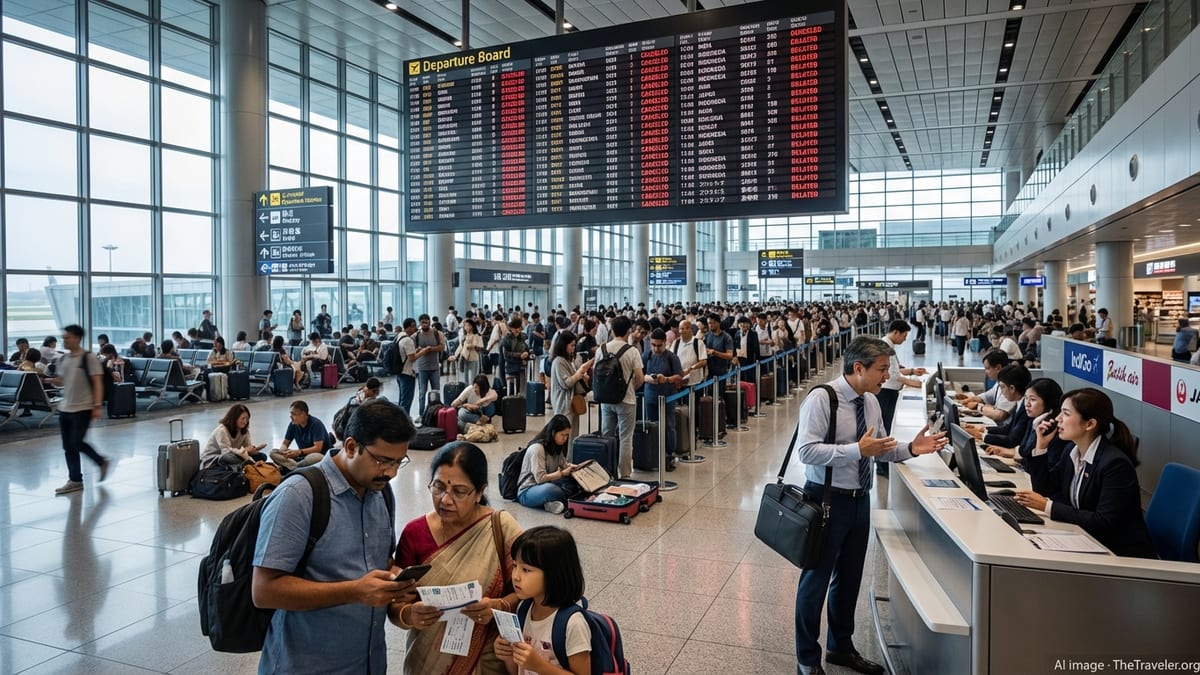
Fresh Wave of Disruptions Across Key Asian Hubs
The latest spike in delays and cancellations adds to a string of difficult operational days for Asian aviation during the current monsoon and typhoon season. Real-time dashboard tools that track punctuality at major airports in Asia have repeatedly shown elevated disruption scores in recent weeks, reflecting a mix of weather-related bottlenecks, congestion, and tight aircraft rotations.
Published coverage of recent events illustrates how quickly regional networks can become overstretched. On several early August and mid-August dates, reports highlighted thousands of disruptions in a single day as storms and heavy rain pushed airports in Thailand, India, China, and Japan beyond their comfortable operating limits.([nomadlawyer.org](https://nomadlawyer.org/asian-flight-disruptions-delays-cancellations-august-2026?utm_source=openai))
Monitoring platforms that aggregate live delay and cancellation statistics show that days with more than 2,000 delayed flights across Asian airports are no longer unusual during peak holiday and weather seasons. Today’s tally of 2,967 delays and 358 cancellations fits into that broader pattern of volatility, underlining how sensitive regional schedules remain to any operational shock.([flightradar24.com](https://www.flightradar24.com/data/airport-disruption?continent=asia&period=live&type=departures&utm_source=openai))
Weather, Congestion and Tight Schedules Fuel the Numbers
Analysis of recent disruption days across Asia points to a familiar combination of causes. Seasonal weather has played a recurring role, with tropical storms and intense monsoon downpours repeatedly triggering ground stops, runway inspections, and extended spacing between arrivals and departures. Earlier this year, for example, one tropical system in early June was linked to more than 3,500 delays and over 2,000 cancellations in a single day at airports from Tokyo and Seoul to Bangkok and Guangzhou.([airhelp.com](https://www.airhelp.com/en/flight-disruptions/tropical-storm-jangmi-disrupts-5657-flights-asia-03062026/?utm_source=openai))
However, weather alone does not fully explain why delay and cancellation figures now frequently climb into the thousands. Industry analyses note that many of Asia’s busiest hubs have restored passenger traffic at, or in some cases above, pre-pandemic levels while infrastructure and staffing have not always kept pace. That mismatch can turn a single blocked runway, storm cell, or equipment issue into a rolling series of missed departure slots that propagate through the day.([airmedia24.com](https://www.airmedia24.com/news/asia-flight-disruptions-august-2026-causes-airlines-affected-passenger-advice?utm_source=openai))
Scheduling practices also contribute. Tight aircraft and crew rotations mean that an early-morning delay can echo across multiple sectors. Aviation analysts point out that once turnarounds slip by even an hour or two, duty time limits and maintenance windows can force airlines to cancel later legs altogether, which helps explain why spikes like today’s 358 cancellations often follow periods of sustained delay.([airmedia24.com](https://www.airmedia24.com/news/asia-flight-disruptions-august-2026-causes-airlines-affected-passenger-advice?utm_source=openai))
Regional Hotspots and Airports Under Pressure
The distribution of disruptions on recent high-impact days suggests that a handful of mega-hubs act as pressure points for the wider Asian network. Published statistics from previous events show that airports such as Delhi, Shanghai Pudong, Bangkok Suvarnabhumi, Jakarta Soekarno Hatta, and major Tokyo fields have recorded some of the highest daily tallies of delays and cancellations when weather or operational issues strike.([airmedia24.com](https://www.airmedia24.com/news/asia-flight-disruptions-august-2026-causes-airlines-affected-passenger-advice?utm_source=openai))
On a recent disruption day examined by aviation news outlets, more than 4,500 delays and nearly 300 cancellations were logged across Asian gateways, with Delhi reporting close to 500 delayed flights on its own and Jakarta leading the region in outright cancellations. Other hubs in China and Japan also shouldered heavy disruption loads, underscoring how traffic concentrates at a small number of large airports.([nomadlawyer.org](https://www.nomadlawyer.org/asia-flight-disruptions-delays-cancellations-flightaware-delhi-shanghai-2026?utm_source=openai))
Earlier in the season, another region-wide breakdown linked to operational challenges at multiple carriers produced more than 1,400 flight disruptions in a single day, particularly affecting Shanghai, Beijing, Kuala Lumpur, and Jakarta. Combined with today’s 2,967 delays and 358 cancellations, these figures reinforce the sense that Asia’s aviation system is operating with limited slack when conditions deteriorate.([airhelp.com](https://www.airhelp.com/en-int/flight-disruptions/airasia-air-china-asia-flight-disruptions-17062026/?utm_source=openai))
Impact on Travelers and What Passengers Can Do
For passengers, the numbers translate into long queues at check in and security, crowded boarding gates, and missed connections on both regional and long haul itineraries. Reports from recent disruption days in Asia describe travelers facing multi hour delays and, in some cases, overnight waits when cancellations outpace available replacement seats.([nomadlawyer.org](https://nomadlawyer.org/asian-flight-disruptions-delays-cancellations-august-2026?utm_source=openai))
Consumer rights organizations note that travelers have different levels of protection depending on their departure country, airline, and ticket type. Guidance from passenger advocacy groups encourages those affected by cancellations to seek full refunds when flights are not operated and to document the reasons for disruption whenever possible. Some advisory sites also recommend keeping records such as boarding passes, written explanations from carriers, and receipts for meals or accommodation in case compensation options exist under national or regional rules.([nomadlawyer.org](https://nomadlawyer.org/asian-flight-disruptions-delays-cancellations-august-2026?utm_source=openai))
Practical advice from recent Asia focused disruption analyses emphasizes proactive steps during volatile periods. Travelers are encouraged to monitor flights using airline apps or independent trackers, allow extra time for connections at known congestion points, and consider booking earlier departures in the day when schedules are less exposed to knock on effects. Publicly available disruption maps and live cancellation statistics can help passengers gauge the overall health of the network on their travel date and adjust plans accordingly.([flightradar24.com](https://www.flightradar24.com/data/airport-disruption?continent=asia&period=live&type=departures&utm_source=openai))
Growing Focus on Resilience in Asian Aviation
The recurrence of high impact disruption days, such as those producing 3,600 or more delays in early September and today’s figure of 2,967, is sharpening attention on resilience across Asia’s aviation sector. Industry commentators point to the need for expanded runway and taxiway capacity at certain hubs, improved drainage and weather proofing in monsoon prone locations, and enhanced coordination between airlines, airports, and air traffic management to reduce cascading effects.([airmedia24.com](https://www.airmedia24.com/news/asia-flight-disruptions-august-2026-causes-airlines-affected-passenger-advice?utm_source=openai))
Some data providers have begun publishing composite disruption scores that weigh delay frequency, average delay length, and cancellations to help airlines and airports benchmark performance. Recent readings show several Asian hubs moving into ranges that correspond to persistent “minor problems” or worse during parts of the day, a trend that indicates systemic stress rather than isolated incidents.([flightradar24.com](https://www.flightradar24.com/data/airport-disruption?continent=asia&period=live&type=departures&utm_source=openai))
As passenger volumes continue to grow, observers expect a stronger emphasis on operational buffers, from more flexible crew scheduling to contingency aircraft and expanded use of advanced forecasting tools. Without such measures, episodes like today’s 2,967 delays and 358 cancellations are likely to remain a recurring feature of Asia’s fast growing, but tightly stretched, air transport network.
Flightradar24 Asia Airport Disruption Map
FlightAware Live Cancellations and Delay Statistics
Airmedia24 Analysis of Asia Flight Disruptions