


More news on this day
A surge of visitors from China, Japan and other Asian markets is converging with Lufthansa’s expanded Munich stopover program, giving Bavaria fresh momentum as a key European gateway and short-break destination.
Get the latest news straight to your inbox!
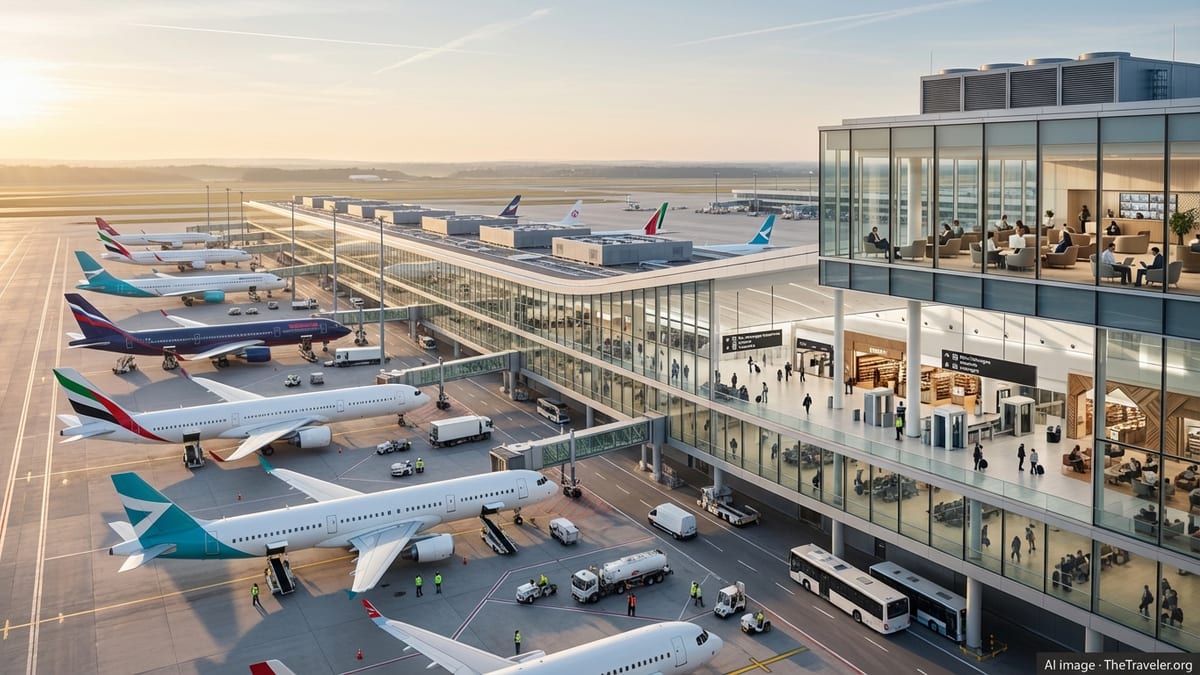
Bavaria Benefits From Record Tourism and Asian Demand
Recent tourism statistics show that Bavaria is building on a strong recovery, with 2024 described in official state reporting as a record year for visitor numbers and overnight stays. The Free State surpassed 100 million overnight stays for the first time, underscoring its role as one of Germany’s most visited regions and a core pillar of the country’s tourism economy.
Within that broader growth, international travel to Germany is also rebounding. National tourism reporting for 2024 points to more than 85 million overnight stays by foreign guests in Germany, reaching close to pre‑pandemic highs. Bavaria has consistently attracted a disproportionately high share of these international nights, positioning the region to benefit directly from resurgent long‑haul demand.
Market analyses compiled by the German National Tourist Board highlight China as one of Germany’s most important long‑haul source markets, with Bavaria capturing close to one‑third of Chinese overnight stays in the country. Similar reports emphasize strong interest in southern Germany among visitors from Japan, South Korea and Southeast Asia, where itineraries often combine urban sightseeing with nature and heritage experiences in the Alps and along historic routes.
Although detailed 2025 regional data by country of origin are still emerging, trade intelligence for inbound travel from Asia indicates that bookings to Germany are increasing, helped by the easing of long‑haul capacity constraints and growing consumer confidence. This backdrop provides fertile ground for programs that channel more of that traffic through Bavaria and encourage extended stays.
Munich Airport Consolidates Its Role as an Asia–Europe Hub
Munich Airport continues to deepen its role as a hub between Europe and Asia. The airport’s annual reports indicate that passenger numbers climbed to around 42 million in 2024, with movements and traffic growth outpacing the wider German market. By 2024 the airport’s network reached more than 220 destinations in over 60 countries, served by close to 100 airlines, reflecting a broad long‑haul and European footprint.
Airport traffic summaries show that Munich has nearly returned to pre‑crisis passenger levels and is firmly placed among the ten busiest airports in Europe. Growth in intercontinental services has been particularly strong. Munich’s route development updates for 2024 and 2025 report a rising number of carriers from East and Southeast Asia, supplemented by Lufthansa’s own expansion on transcontinental routes.
Aviation briefings from Munich Airport highlight that one third of its intercontinental cargo volume now flows to or from East Asia, underlining the strength of commercial ties with markets such as China, India and Japan. Passenger flows follow a similar pattern, with the airport promoted as a central hub connecting the export‑driven economies of southern Germany with strategic Asian partners.
The decision by Lufthansa Group to base its A380 fleet in Munich from the mid‑2020s, referenced in the airport’s traffic and integrated reports, further signals the importance of long‑haul demand at the Bavarian hub. High‑capacity aircraft on routes to North America and Asia create additional seats that can be filled by stopover passengers seeking to combine a transcontinental itinerary with a Bavarian city break.
Lufthansa Expands Munich Stopover Program Across Asia-Pacific
The most visible new lever to convert Asian transfer traffic into tourists on the ground is the Lufthansa Stopover Program centered on Munich. According to information published by Lufthansa in spring 2026, the carrier initially launched the offer for passengers on routes between Munich, Singapore and the United States, allowing travelers to extend their stopover in the Bavarian capital for up to seven days while retaining their through‑ticket.
In August 2026, Lufthansa and Munich Airport jointly announced an expansion of the program across Asia-Pacific, adding China, India, Japan, South Korea and Thailand as key source markets. Passengers originating in these countries can now incorporate a stay of one to seven days in Munich on either the outbound or return leg, with access to curated accommodation, attraction and regional excursion offers provided by Bavarian tourism partners.
The airline’s public materials stress that the stopover concept is intended to turn a routine connection into a mini‑holiday, providing itineraries and suggestions that showcase both Munich and the wider region. Official program pages outline flexible booking options, indicating that the stopover can be added to eligible itineraries during the booking process, subject to standard fare rules and availability.
Destination marketing content from Munich’s tourism organization, which collaborates with the stopover initiative, presents the Bavarian capital as a compact base for exploring the Alps, lakes and historic towns on day trips. By integrating these experiences directly into a global airline product, the program is designed to lower the barrier for first‑time visitors from Asia who might otherwise transit Germany without leaving the airport.
China, Japan and Regional Markets Drive New Visitor Flows
Tourism market briefings for China published by the German National Tourist Board indicate that Bavaria accounts for roughly 30 percent of all Chinese overnight stays in Germany, reflecting the region’s strength in landscape, shopping and premium brand tourism. The inclusion of China in the expanded Munich stopover program targets this existing demand while also aiming to capture higher‑spending independent travelers and small groups.
Japan and South Korea are also highlighted in inbound reports as mature but growing markets for Germany. Travelers from these countries traditionally favor multi‑country European itineraries, often entering via major hubs in Western Europe. Giving them the option to build a structured stop in Bavaria directly into a Lufthansa long‑haul ticket is expected to divert a share of that traffic through Munich and into local hotels and attractions.
India and Thailand, two of the other newly added markets, are described in industry reporting as dynamic, price‑sensitive segments with increasing appetite for long‑haul leisure travel. Competitive fares combined with the ability to experience both Europe and another region on a single trip may prove particularly attractive for younger travelers and families looking to maximize the value of their long‑haul journeys.
Local tourism officials and business representatives have previously associated large spikes in hotel occupancy with global events in Munich, from major trade fairs to international concerts and festivals. With the new stopover channels, a share of additional room nights is likely to be spread more evenly across the year, especially in shoulder seasons when airlines can promote extended stays as an added benefit during long‑haul sales campaigns in Asia.
Opportunities and Capacity Questions for Bavaria
The strengthening connection between Asian source markets, Lufthansa’s Munich hub and Bavarian destinations offers clear opportunities but also raises questions about capacity and sustainable growth. Public statistics show that tourism nights in Bavaria are already at all‑time highs, while Munich’s airport is operating close to pre‑pandemic traffic volumes, even without a long‑debated third runway.
Industry commentary around the expanded stopover program suggests that a careful balance will be needed between attracting higher‑yield long‑haul visitors and managing pressure on infrastructure in peak months, particularly during Oktoberfest and major trade fair periods. At the same time, the ability to steer promotional efforts toward quieter periods and less‑visited regions of Bavaria could help smooth demand and widen the benefits of tourism.
For Asian travelers, the combination of convenient connections, structured stopover products and a strong destination brand gives Bavaria a competitive position against other European gateways. As airlines across the continent refine their hub strategies, Munich’s growing long‑haul network and strong local tourism ecosystem provide a foundation for further development of multi‑center itineraries that link Asia, Bavaria and onward destinations in Europe or North America.
Observers will be watching how quickly the expanded stopover program converts into measurable gains in overnight stays and spending from China, Japan and other Asian markets. With aviation capacity on the rise and consumer interest in Europe remaining robust across much of Asia, Bavaria appears well placed to extend its recent record‑breaking run in tourism into the next phase of global travel recovery.