


More news on this day
Across Asia, shopping is moving from side activity to central motivator, as South Korea joins Taiwan, Thailand, Indonesia, India, Vietnam and others in driving a retail-focused reshaping of the 2026 travel landscape.
Get the latest news straight to your inbox!
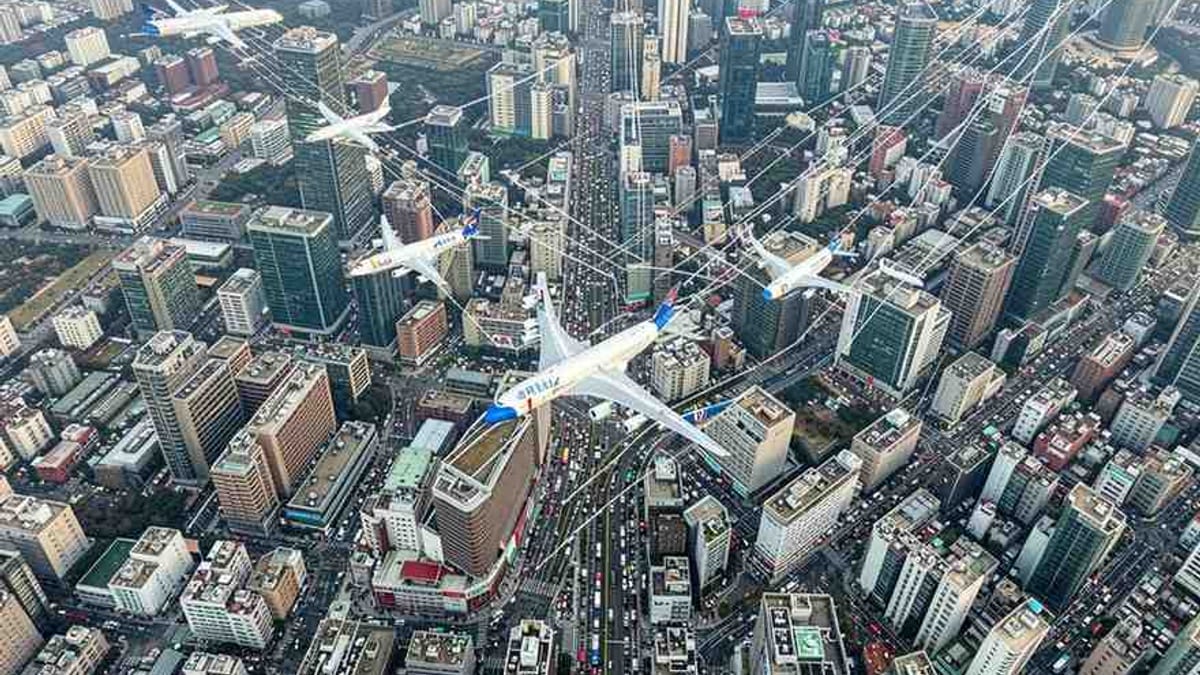
Retail-Led Tourism Becomes a Defining Asian Trend
Recent industry and media reports for 2026 indicate that shopping, food and lifestyle experiences are increasingly determining where and how Asian travelers spend their holidays. Surveys and trend analyses tracking behavior across key outbound markets such as South Korea, Taiwan, Thailand, Indonesia, India and Vietnam point to a marked rise in retail and culinary motivations alongside traditional sightseeing.
Coverage of regional travel patterns suggests that destinations are adapting quickly, with airport duty free, downtown malls and mixed-use lifestyle districts positioned as headline attractions rather than optional add-ons. The shift aligns with broader recovery dynamics in Asia, where short and medium haul travel has rebounded quickly and travelers are channeling more of their budgets into tangible purchases, from beauty and fashion to electronics and gourmet products.
Analysts examining Asia’s retail and travel sectors describe an emerging ecosystem in which tourism authorities, city governments and private operators coordinate promotions that directly link arrivals to shopping receipts. This is especially evident in urban hubs that combine flagship retail, entertainment and food markets, turning a long weekend trip into what amounts to an extended shopping excursion.
South Korea Pushes Visa Easing and Duty-Free Innovation
South Korea is moving rapidly to consolidate its position in this trend, pairing policy changes with an upgraded retail offer. Government announcements covering late 2025 through mid 2026 outline temporary visa waivers and fee reductions for selected markets, including Chinese group visitors, with timing that coincides with key shopping holidays and peak travel seasons.
Publicly available policy summaries show that a temporary visa free window for Chinese group tourists from late September 2025 to June 30, 2026 is calibrated to capture spending during China’s major holiday periods. The measures sit alongside broader relaxations for Southeast Asian markets and electronic travel authorization exemptions for several visa waiver countries, which together lower the barriers for regional travelers planning shopping oriented trips to Seoul, Busan and Jeju.
On the retail side, Korean duty free and department store operators are emphasizing a more experience driven model. Trade and industry coverage notes a pivot away from bulk resellers toward individual leisure travelers, supported by multilingual staff, instant tax refund systems, limited edition collaborations and K culture themed events. Large duty free operators are also partnering with tour agencies to design itineraries in which iconic shopping districts and outlet centers are core stops rather than optional detours.
These moves build on South Korea’s longstanding reputation as a beauty, fashion and electronics hub, but the 2026 policy calendar and marketing campaigns indicate a deliberate attempt to anchor future tourism growth in higher value retail spending.
Taiwan, Thailand and Vietnam Blend Shopping With Food and Lifestyle
Elsewhere in the region, Taiwan, Thailand and Vietnam are leveraging retail, street markets and food culture as combined draws. Travel industry reports referencing 2026 trends highlight Taiwan’s rise as a culinary and shopping destination, with night markets, specialty tea shops and design led boutiques increasingly featured in regional booking platforms and survey responses.
Thailand’s tourism strategy for 2026, described in economic and tourism board briefings, emphasizes what officials there frame as value led growth. The focus is on attracting higher spending segments, including visitors from India and other Asian markets who are drawn to Bangkok’s mega malls, duty free complexes and integrated resort style developments, alongside coastal and wellness offerings.
Vietnam, which has recorded strong tourism growth since borders reopened, is also moving into the retail spotlight. Coverage of regional travel trends notes that travelers are combining visits to historic centers such as Hanoi and Hoi An with time in emerging shopping districts, outlet villages and contemporary food halls. Street markets remain central, but international brands and local designers are increasingly sharing the same urban spaces, encouraging visitors to allocate more days and a larger share of their budgets to city stays.
Taken together, these markets are positioning shopping not as a standalone chore but as an integral part of a wider lifestyle itinerary that mixes food, culture, wellness and entertainment.
Indonesia and India Drive Volume in Regional Retail Adventures
Indonesia and India, two of Asia’s largest and fastest growing outbound markets, are playing a pivotal role in scaling up retail driven travel across the region. Surveys of Asian travelers focused on 2026 intentions show strong demand from these countries for short haul leisure trips that combine affordability with rich shopping and dining choices.
Available travel and economic data underscore the growing importance of Indian visitors in regional tourism, particularly in Thailand and other Southeast Asian destinations where spending by Indian travelers helps offset shifts in other source markets. Large urban centers such as Bangkok, Singapore and Kuala Lumpur feature prominently in itineraries precisely because they offer extensive mall networks, branded outlet clusters and convenient duty free access.
For Indonesian travelers, connectivity improvements and competitive low cost carriers are encouraging frequent regional escapes centered on retail and food. Media coverage of booking patterns points to repeat trips to neighboring countries where Indonesian visitors can access wider product ranges and price differences, particularly in fashion, electronics and premium lifestyle categories.
Both India and Indonesia also serve as important inbound markets for South Korea’s evolving strategy. Visa easing for select Southeast Asian groups, targeted promotions and K culture branding are all designed to attract travelers who are already accustomed to combining holidays with intensive shopping.
A Regionwide Retail Ecosystem Shapes Asia’s 2026 Travel Map
The cumulative effect of these national strategies is a regionwide retail ecosystem that is reshaping how and where people travel in 2026. Commentary in business and tourism publications describes a competitive but interconnected landscape in which countries actively coordinate festivals, sale seasons and digital campaigns to keep visitors moving between major shopping hubs.
From Seoul’s duty free corridors and Taipei’s night markets to Bangkok’s mega malls, Jakarta’s lifestyle centers and Mumbai’s outbound shopper cohorts, the emphasis on tangible spending is changing traditional metrics of tourism success. International arrivals still matter, but average expenditure per visitor, time spent in retail districts and cross border payment data are gaining prominence as indicators watched by both governments and investors.
This retail centric travel model is also informing infrastructure plans. Airport expansions, downtown redevelopment projects and new rail links across several Asian cities are being framed not only as transport upgrades but as enablers of more seamless shopping journeys. Duty free zones, integrated mall terminals and entertainment complexes adjacent to transport hubs are increasingly common features in planning documents and developer announcements.
With South Korea now clearly aligning its visa policies, marketing campaigns and retail investments with these trends, the region’s leading economies appear set to deepen a shared focus on shopping driven tourism. How far this model can evolve while balancing sustainability and congestion concerns remains a key question, but for 2026, retail is firmly at the center of Asia’s travel story.