


More news on this day
Passengers traveling through Athens International Airport on Wednesday and Thursday are being advised to brace for potential delays as aviation authorities carry out scheduled technical checks on key landing navigation systems at Greece’s busiest air hub.
Get the latest news straight to your inbox!
Inspections Set to Affect Arrivals and Departures
Published information from Greek media indicates that the inspections focus on precision approach and landing aids that support aircraft during final descent into Athens International Airport, also known as Eleftherios Venizelos. The work is concentrated in specific daytime windows on June 10 and 11, a period when traffic is already building toward the summer peak.
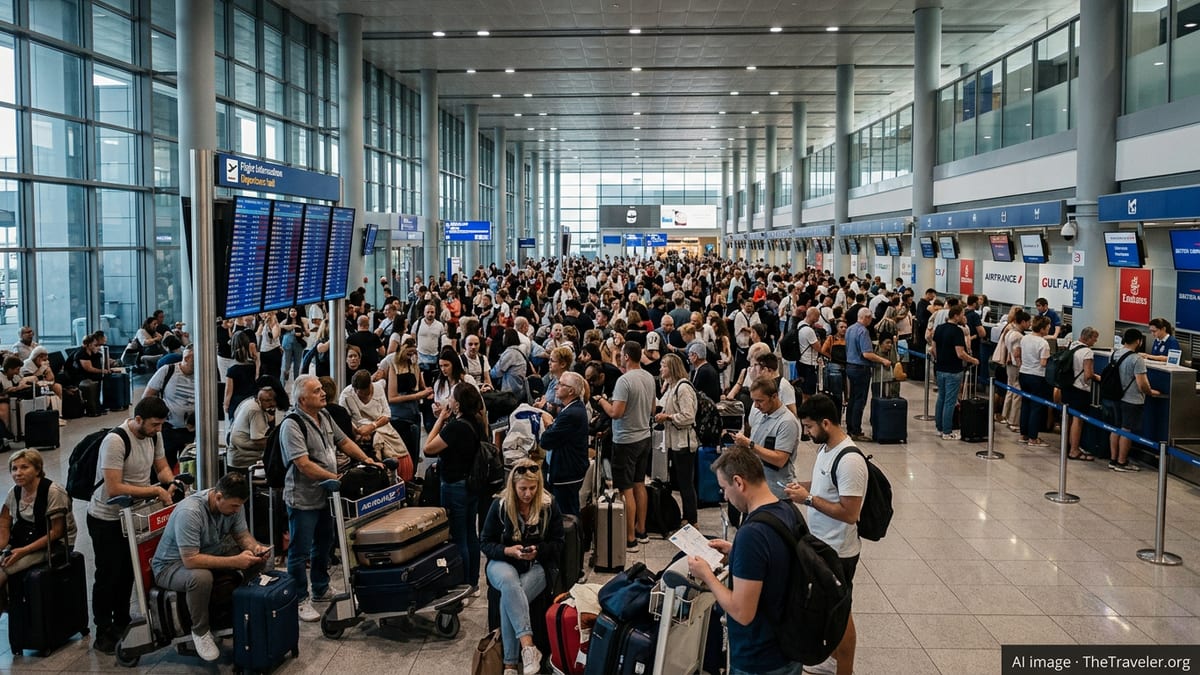
Reports describe temporary reductions in the airport’s arrival and departure capacity while the checks are underway, with forecasts of delays of up to 60 minutes on some services. The disruptions are expected to affect a mix of domestic and international flights, including movements by major European carriers and Greek airlines operating to island and mainland destinations.
Operational data published in recent months show that Athens has been handling steadily rising traffic, which leaves less room in the daily schedule to absorb even brief capacity constraints. As a result, delays linked to the technical checks may cascade through subsequent rotations, extending the impact into later parts of the day.
Technical Checks Follow Earlier Strain on Greek Airspace
The current inspection window comes after a period of heightened scrutiny of Greece’s air traffic systems, including previous technical issues that disrupted operations across the Athens flight information region earlier in the year. Public discussion following those events highlighted the importance of robust navigation and communication infrastructure at one of southeast Europe’s key aviation gateways.
Industry documentation for the summer 2026 scheduling season already characterizes Athens as operating close to its capacity limits at peak times. Separate European operational overviews have also noted recurring air traffic control capacity constraints around the Greek capital, contributing to average delay levels that are above seasonal norms.
Within that context, the decision to allocate time for planned inspections of critical landing systems is being framed in local coverage as a safety and reliability measure, even as it temporarily adds pressure to an already busy operation. The checks are understood to involve both ground-based equipment and the procedures used by air traffic controllers and airlines.
Impact on Passengers During Early Summer Peak
The timing of the work coincides with a sharp seasonal rise in passenger numbers as Greece enters the first major wave of summer tourism. Recent airport statistics point to year on year growth in both flights and passenger traffic through Athens, with millions of travelers using the airport in the opening months of 2026 and a continuing upward trend into late spring.
Travel-focused coverage notes that even modest technical slowdowns can quickly translate into long queues at check in, security and boarding gates when load factors are high. Knock on effects may include missed connections for passengers using Athens as a transfer point to the Greek islands or wider Europe, particularly during tightly timed morning and afternoon banks of departures.
Travelers on domestic routes to popular holiday destinations such as Mykonos, Santorini, Rhodes and Crete are considered especially exposed to schedule changes, as many of these flights are timed to feed ferry departures or hotel check in windows. Any extended disruption may prompt additional rebooking requests and increased demand for customer support at airline counters.
Advice for Travelers Using Athens International Airport
Publicly available guidance from airlines and local media encourages passengers due to fly on June 10 and 11 to allow extra time at the airport and to monitor flight status closely on official channels. Many carriers are urging travelers to use mobile apps or online tools to check in, select seats and confirm departure times before leaving for the terminal.
Travel specialists recommend that passengers connecting through Athens build in as much buffer time as possible between flights during the inspection period. Those with separate tickets on different airlines or self arranged connections are seen as more vulnerable to missed onward services if inbound flights face lengthy ground holds or arrival sequencing delays.
For visitors beginning or ending their trip in Athens, contingency planning may include flexible ground transport bookings, awareness of alternative routes into the city and the option to adjust hotel check in or out times. Given the relatively short duration of the technical checks, most reports suggest that serious disruption beyond the two day window is unlikely, although some residual knock on delays may persist into subsequent rotations.
Longer Term Capacity and Reliability Questions
The episode is contributing to a broader discussion about the resilience of Athens International Airport as traffic continues to grow. Official traffic statistics show both flight movements and passenger volumes trending upward in early 2026 compared with the previous year, underscoring the role of the airport as a regional hub for southeastern Europe and the eastern Mediterranean.
Aviation analysts note that planned technical checks of navigation systems are a routine part of maintaining safe operations, but they also emphasize that limited spare capacity increases the visible impact of such work. With more flights scheduled and tighter turnaround times, any temporary reduction in runway or approach capacity is quickly felt by airlines and travelers.
Looking ahead, observers point to the importance of continued investment in air traffic management systems, ground infrastructure and operational planning at Athens International Airport. The handling of this week’s inspections is likely to inform future decisions on how and when similar work is scheduled, balancing the need for safety critical maintenance with the expectations of passengers flying into one of Europe’s most popular summer gateways.