


More news on this day
Australian travellers are being urged to review plans for Indonesia after the eruption of Mount Anak Krakatau forced the closure of multiple airports, stranded an estimated 170,000 passengers and disrupted key routes between Australia and Southeast Asia.
Get the latest news straight to your inbox!
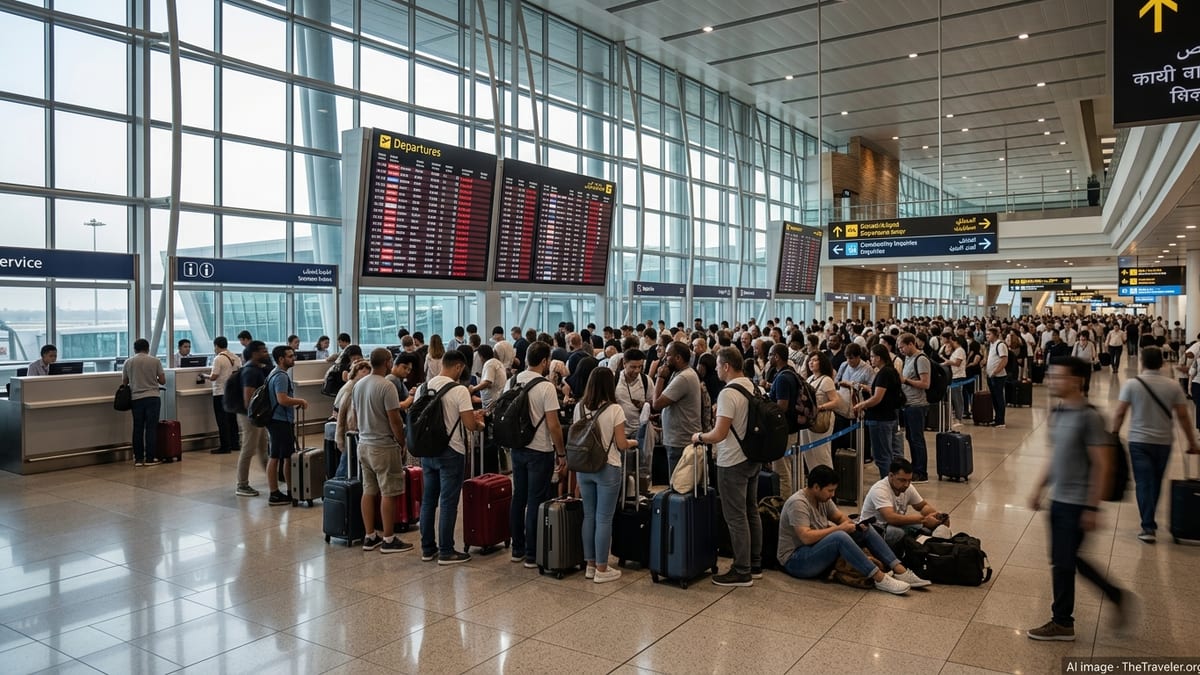
Volcanic ash shuts major Indonesian airports
The latest eruption of Mount Anak Krakatau in the Sunda Strait has sent towering plumes of ash into the atmosphere, disrupting one of Asia’s busiest aviation corridors. Volcanic ash advisories from meteorological agencies show ash clouds spreading across parts of western Indonesia, triggering widespread airspace restrictions over the weekend and into Monday.
Jakarta’s Soekarno Hatta International Airport, Indonesia’s main international gateway, has been at the centre of the disruption. Published reports indicate that operations there were repeatedly suspended as ash drifted across approach and departure paths, forcing airlines to cancel or divert flights in and out of the capital.
According to publicly available figures from Indonesia’s transport ministry, more than 1,500 flights have been affected across eight airports, with about 964 cancellations reported at Jakarta alone. Aggregated estimates from local and international coverage suggest around 170,000 passengers are currently stranded across Indonesia’s aviation network as authorities continue to track the ash cloud’s movement.
Regional carriers including Singapore Airlines, Malaysia Airlines, AirAsia and Lion Air Group have adjusted schedules or cancelled services on key routes through Jakarta and other western Indonesian hubs. Visuals from local media show crowded terminal halls and long queues at airline counters as travellers wait for rebooking options.
Australian routes disrupted as airlines reroute around ash
The Anak Krakatau eruption is having a direct impact on flights linking Australia with Indonesia and onward destinations in Asia and Europe. Australian media coverage and airline updates indicate that services from Sydney and Melbourne to Jakarta and Denpasar have faced cancellations and significant delays as aircraft avoid ash-affected airspace.
Some Australia bound flights that would normally overfly western Indonesia and the Sunda Strait have been rerouted, adding flight time and creating knock-on delays across airline networks. Tracking data shared in public forums shows long-haul services making wide detours to skirt the highest ash concentrations, which have been reported up to cruising altitudes for commercial jets.
For now, disruption appears to be concentrated on services operating through Jakarta and affected Indonesian airports rather than a blanket suspension of travel from Australia to the region. However, aviation analysts quoted in international coverage note that the situation remains fluid and could worsen if ash dispersion patterns change or if eruptions intensify.
Travellers with imminent departures from Australia to Indonesia are being encouraged by airlines and travel agents, via public advisories, to monitor flight status closely, allow extra time at airports and be prepared for last minute schedule changes.
Updated advice for Australians in and travelling to Indonesia
Australia’s official Smartraveller advisory for Indonesia was updated in recent days with specific reference to the Anak Krakatau eruption and associated aviation disruption. The overall advice level remains at “exercise a high degree of caution,” but the latest update highlights the potential for airports to close at short notice, flight delays and cancellations, and temporary impacts on air quality in affected areas.
The advisory recommends that Australians monitor local media and airline notifications, confirm flight details before heading to the airport and follow instructions published by airport operators. Travellers with respiratory conditions are advised to take particular care where ash is present and to follow health guidance made available by Indonesian agencies and local health services.
The Australian government site also reiterates that volcanic eruptions can occur with limited warning and that ash clouds may travel hundreds of kilometres from the source volcano. Travellers are reminded to consider travel insurance policies that explicitly cover natural disaster related disruption, including missed connections and additional accommodation costs when flights are cancelled.
Similar alerts have been issued by other governments, including the United Kingdom, which recently revised its Indonesia travel advice to include volcano related disruption alongside existing security considerations. These advisories collectively emphasise the need for flexible itineraries and contingency planning during periods of elevated volcanic activity.
What stranded passengers can expect in coming days
With Anak Krakatau continuing to show elevated activity, Indonesia’s geology agency has warned in recent public statements that the volcano remains highly unpredictable. Aviation meteorology bulletins from regional centres, including the Australian Bureau of Meteorology’s volcanic ash advisory service, indicate ongoing monitoring of ash height, spread and density over Indonesian airspace.
Experience from previous eruptions in Indonesia and elsewhere suggests that flight operations can resume in phases once ash disperses or wind patterns shift, allowing airlines to safely reopen routes. Some carriers may initially prioritise larger international aircraft and long-haul services, followed by domestic adjustments as backlogs clear.
Travellers currently stranded in Indonesia are likely to face extended waits for rebooked seats as airlines work through the 170,000 passenger backlog. Hotel capacity near key hubs such as Jakarta and Surabaya is reported to be under pressure, particularly where flights were cancelled at short notice. Passenger entitlements vary by airline and ticket type, and travellers are being directed via public information channels to check their carrier’s policies on accommodation, meals and refunds.
Industry observers note that the pace of recovery will depend heavily on the duration and intensity of Anak Krakatau’s activity. If ash emissions ease, some reports suggest flights could begin ramping up within days, although it may take significantly longer to fully clear queues of disrupted passengers.
Planning upcoming trips: risk, insurance and flexibility
For Australians with trips to Indonesia in the coming weeks, the Anak Krakatau eruption highlights the importance of checking volcano related conditions before departure. Official advisories recommend reviewing the alert level of any nearby volcanoes, watching for changes in airline schedules and ensuring that itineraries allow for possible delays.
Travel insurance experts quoted in previous case studies of Indonesian eruptions note that coverage for volcanic disruption often depends on when a policy was purchased and whether an event is deemed a known risk at the time of booking. Travellers are advised to confirm, through publicly available product disclosure statements or direct insurer communication, whether ash related cancellations and additional expenses are covered.
Flexible booking options, including refundable fares or tickets with low change fees, can help reduce financial stress if flights are rescheduled. Accommodation that permits date changes without heavy penalties, and keeping at least one buffer day at the end of a trip before critical onward connections, are also commonly recommended strategies in high risk volcanic regions.
While Indonesia remains a major destination for Australian leisure and business travel, this latest eruption underlines how quickly conditions can change along the archipelago’s volcanic arc. Keeping a close eye on official travel advisories, airline updates and reputable news outlets will be essential for anyone planning to transit through or holiday in Indonesia until Anak Krakatau’s activity subsides.
Smartraveller Indonesia advice
The Guardian coverage of Anak Krakatau disruption