


More news on this day
Australia is sharpening its warnings to citizens about online fraud and cross-border scams targeting travelers, adding its voice to a growing chorus of countries, including the United States, Canada, the United Kingdom and Singapore, that are urging both business and leisure visitors to take extra care when booking trips, paying online or responding to digital offers overseas.
Get the latest news straight to your inbox!
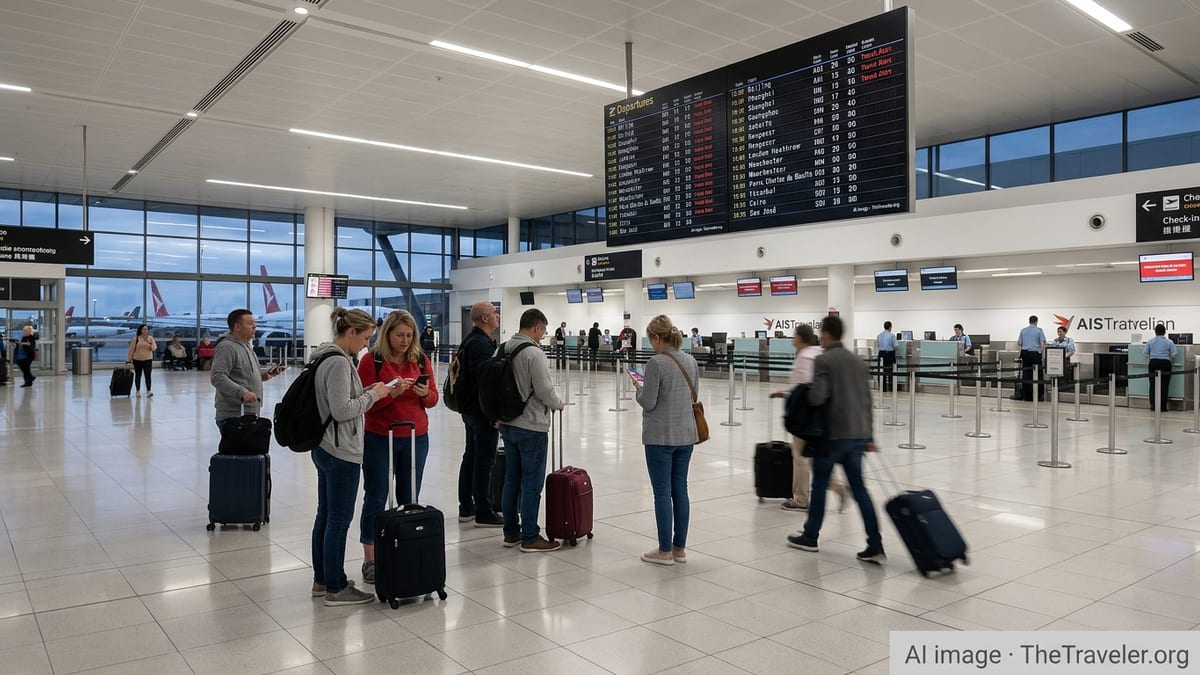
Australia Steps Up Alerts As Scam Losses Top Billions
Publicly available figures from Australia’s consumer and market regulators show a steep rise in digital fraud, with Australians reporting multibillion-dollar losses to scams in the past year and a sharp increase in phishing and investment fraud websites being taken down. Recent data indicates authorities coordinated the removal of nearly 12,000 scam and phishing sites in 2025, almost double the previous 12-month period, underscoring the scale of criminal activity that often reaches travelers when they are away from home.
Regulatory communications in early 2026 highlight that many of these scam operations are based offshore, using slick travel, investment or job-offer fronts to capture personal data and payments. Officials have described how deceptive advertising and high-pressure tactics are increasingly powered by artificial intelligence tools, making fake offers harder for travelers to spot when planning or undertaking trips abroad.
Australian consumer-protection and travel-safety guidance now places greater emphasis on checking the legitimacy of travel booking platforms, airline and hotel communications, and visa or entry-permit websites. Advisories stress that criminals frequently mimic legitimate tourism brands, loyalty schemes or government portals to intercept payments or steal identity information during the booking process.
The stepped-up messaging comes as travel rebounds and corporate trips resume across the region. With more Australians combining business meetings and leisure stays overseas, safety notices highlight the additional risks of working from hotels, airports and cafes, where travelers may be distracted, connected to unsecured Wi-Fi or under time pressure, conditions that scammers exploit.
United States, Canada and UK Tighten Focus On Digital Travel Fraud
The United States has long maintained detailed public guidance on scams affecting citizens overseas, and recent updates place particular attention on digital fraud linked to travel. Official information warns about schemes ranging from fake emergency pleas from supposed friends abroad to fraudulent online romance or business partners asking for funds to cover travel, medical bills or legal problems during international trips.
US materials caution travelers against sending money to people met only online, responding to unsolicited travel offers, or relying on third-party sites that ask for unusual payment methods such as wire transfers or gift cards. They also highlight risks around fake airline or visa intermediaries that charge inflated fees or fail to deliver legitimate bookings, leaving travelers stranded at airports or border checkpoints.
Canada has issued similarly detailed guidance that frames overseas fraud as a growing safety issue, not just a financial one. Public advisories note that Canadians are increasingly being lured abroad under false pretenses, including bogus job offers, romantic relationships or business deals, only to find themselves pressured into further payments or placed in vulnerable situations once they arrive.
Canada’s broader travel advice encourages residents to consult official travel pages before departure, review information on common local scams in destination countries and maintain a healthy skepticism of unsolicited messages or social media contacts that connect travel with financial opportunities. The United Kingdom has also refreshed its online consumer-protection content, warning residents about copycat government and visa websites, as well as bogus holiday and ticket sellers that target travelers heading to popular events and leisure destinations.
Singapore Highlights Fake Travel Sites, Deepfakes and Cross-Border Syndicates
Singapore, a major transit and business travel hub, has been warning its residents for several years about online scams that intersect with travel, from phishing websites impersonating legitimate travel agents to fake promotions using well-known airline brands. Police and cybersecurity advisories emphasize that many fraudsters operate from overseas, placing fraudulent ads on social platforms and search engines to divert travelers to lookalike booking portals.
Recent cybersecurity and law-enforcement resources in Singapore point to the growing use of deepfakes, spoofed phone numbers and compromised social media accounts to make scam approaches look more convincing. Officials note that syndicates behind these schemes often operate out of multiple jurisdictions, complicating investigations and making prevention and personal vigilance especially important for travelers.
Singapore’s foreign affairs and security agencies advise citizens to use official government sites for travel information, registration and visa-related processes, and to verify that payment pages are genuine before entering card details. Resource guides further explain that accounts used in overseas scams may be outside domestic jurisdiction, limiting the ability to freeze funds once they have been transferred, which makes early detection and caution crucial.
The city-state’s messaging also links travel safety with digital hygiene, encouraging the use of multi-factor authentication, secure passwords and reputable security tools when accessing financial or work accounts abroad. Travelers are urged to be cautious when connecting to public Wi-Fi and to avoid installing unfamiliar apps or clicking unsolicited links received while on the move.
Corporate Travelers Under Pressure As Criminals Exploit Work Trips
The latest wave of advisories from Australia and its partners has particular relevance for corporate travelers, who often move quickly between cities, manage high-value transactions and rely heavily on digital tools. Security briefings highlight that scammers increasingly tailor approaches to people on work trips, posing as hotel staff, airline agents, conference organizers or even internal IT teams to extract credentials or payments.
Global cyber-security research released in 2026 suggests that roughly one in three travelers has encountered some form of travel-related scam, from fake booking sites to phishing messages tied to trip itineraries. Analysts report that rising travel costs and tight corporate budgets have made discounted tickets, package deals and loyalty rewards offers especially attractive, which in turn creates new openings for fraudsters promoting too-good-to-be-true offers online.
Companies are responding by updating travel and expense policies to include guidance on online fraud, specifying which booking channels employees may use and requiring verification steps for any payment requests received while abroad. Some organizations now incorporate scam-awareness modules into pre-trip briefings, focusing on how to verify contacts, identify secure payment gateways and respond if a booking or invoice appears suspicious.
Public advisories point out that corporate travelers can be targeted not only for direct financial gain, but also as potential gateways into company networks and sensitive data. Accessing work systems through unfamiliar networks, sharing devices with colleagues, or using personal email and messaging apps for business arrangements can all increase the risk profile during overseas assignments.
What Holidaymakers and Business Travelers Can Do Now
Across Australia, North America, Europe and Asia, a common theme in official and industry messaging is that prevention remains the best protection against travel-related scams. Travelers are urged to book flights, accommodation and tours through well-established providers, to double-check the spelling and appearance of websites, and to be wary of intermediaries that request payment outside normal, traceable channels.
Guidance from multiple governments advises citizens to research destination-specific scams before departure, including common fraud patterns around ATMs, unofficial taxis, street touts and high-pressure sales environments that may be reinforced through online contact. Travelers are encouraged to share itineraries and booking confirmations with trusted contacts at home, and to keep copies of important documents in secure digital formats in case phones or laptops are compromised while abroad.
Security agencies and consumer watchdogs also recommend that travelers enable strong authentication on bank, email and workplace accounts, and review transaction alerts so that suspicious activity can be spotted quickly. If fraud is suspected, public information suggests immediately contacting banks, ceasing any further transfers and reporting incidents to local police or national anti-scam centers where available.
With Australia now reinforcing its voice alongside the United States, Canada, the United Kingdom, Singapore and other nations, the message to travelers is consistent: as international mobility returns in force, online fraud and scams are evolving just as quickly. Whether traveling for boardroom meetings or beach holidays, individuals are being urged to treat cybersecurity and scam awareness as essential elements of modern travel planning.