


More news on this day
Austria is moving ahead with some of Europe’s most assertive tourism controls, tightening rules on day trippers, buses and holiday rentals as alpine hotspots and storybook villages struggle with chaotic peak-season crowds.
Get the latest news straight to your inbox!
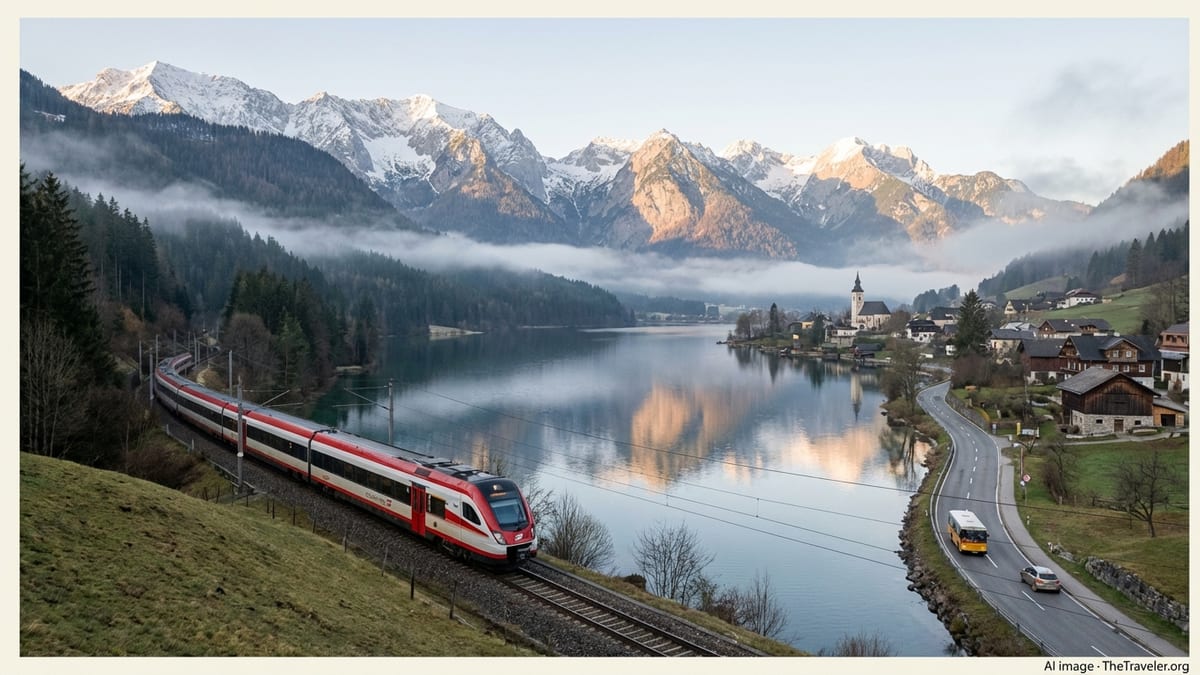
Villages Hit Capacity As Record Tourism Strains Everyday Life
Tourism in Austria has rebounded to record levels, with official data showing guest arrivals and overnight stays in 2024 and 2025 surpassing pre-pandemic peaks. The combination of city breaks in Vienna, lakeside getaways in Salzkammergut and winter sports in Tyrol has pushed popular regions close to saturation, especially during school holidays and summer weekends.
Residents in heavily visited areas report that narrow streets, limited parking and small historic centers are increasingly overwhelmed by short-stay visitors. Complaints range from traffic jams and noise to pressure on local housing as apartments convert to holiday rentals. While many communities rely on tourism income, debate has sharpened over how many visitors small destinations can realistically absorb.
The government’s most recent tourism reports highlight “balanced tourism” as a priority, emphasizing that long term success depends on maintaining support among local communities. This policy shift has helped set the stage for a new wave of concrete measures targeting crowd control and the most disruptive forms of travel.
Coach Quotas And Day-Trip Fees Target Crowded Hotspots
Austria’s most photographed villages have become laboratories for stricter rules on group travel. Hallstatt and similar lakeside destinations that once welcomed unlimited bus tours now impose daily quotas on coaches, designated time slots and higher access charges aimed at discouraging ultra-short visits. Municipal plans and local ordinances show authorities using price signals and capacity limits to reshape visitor flows.
For bus operators, this means pre-booking time-limited arrival windows, facing fines for overruns and, in some cases, seeing the total number of coaches capped per day. The measures are designed to reduce the surge of visitors who arrive for an hour, crowd viewpoints and streets, then leave without spending much in local businesses.
Some towns have introduced parking fees for day trippers that are significantly higher during peak hours, while residents continue to benefit from subsidized or permit-based schemes. Published coverage indicates that the aim is not to deter overnight guests, who typically contribute more to the local economy, but to make high-impact, low-spend “hit and run” tourism less attractive.
New Travel Rules Reshape How Visitors Move And Stay
Beyond village coach caps, Austria is tightening the broader framework that governs how people move through the country and where they can stay. Municipal zoning plans in major cities increasingly distinguish between residential use and commercial short term rentals, with stricter registration and enforcement for apartments that operate as de facto hotels.
In parallel, several regions are coordinating with federal authorities to manage seasonal labor quotas in tourism and hospitality, aligning workforce planning with realistic capacity thresholds rather than simply chasing ever higher visitor numbers. Recent federal regulations on seasonal employment in tourism underline that staffing levels and livable working conditions are now treated as part of the sustainability equation.
Public transport policy is another lever. Austria’s national climate ticket has already encouraged more rail and bus travel within the country, and regional planners are using that momentum to steer visitors toward secondary hubs and less crowded routes. Information campaigns highlight car free access to alpine valleys and lakes, while new rules in some areas limit private vehicle access at peak times, replacing it with shuttle systems.
Data Driven Crowd Management Replaces Ad Hoc Responses
The new approach to crowd control is increasingly data driven. Tourism boards and municipalities are drawing on mobile network data, accommodation statistics and real time traffic feeds to forecast pressure points and decide when to trigger restrictions. In popular mountain and lake destinations, digital signboards and apps now alert drivers when parking areas are full and direct them to park and ride lots.
Some regions have started to experiment with dynamic pricing and reservation systems for key attractions, using advance bookings to flatten visitor peaks across the day. Travel industry reports indicate that these tools, common in aviation and major theme parks, are gradually filtering into alpine cable cars, scenic boat routes and even narrow-gauge heritage railways.
National level tourism strategies stress that this shift is meant to move away from reactive bans after problems emerge and toward proactive capacity management. The emphasis is on clear rules that visitors can understand in advance, from mandatory reservations on busy panoramic routes to limits on unscheduled coach stops in small towns.
Balancing Tourism Revenue With Local Acceptance
For now, surveys of public opinion in Austria suggest that acceptance of tourism remains relatively high, but that patience is thinnest in places where locals feel squeezed out of housing or pushed off public spaces during peak weeks. Policymakers have responded by tying new tourism rules to broader quality of life goals, such as keeping village centers livable and maintaining access to lakeshores for residents.
Industry groups argue that predictable regulations are preferable to the reputational damage that can arise from anti tourist protests or sudden bans. By setting clear expectations on group sizes, access fees and rental registrations, Austria hopes to avoid the flashpoints seen in other European destinations where local frustration boiled over into demonstrations.
Travel analysts note that the latest measures mark a shift from promoting “more tourism” toward managing “better tourism.” The country is betting that many visitors will accept stricter rules and higher costs in exchange for less crowded streets, clearer mountain trails and a calmer experience. For travelers planning trips to Austria in the coming seasons, understanding these new regulations is becoming as essential as booking a room or a rail pass.