


More news on this day
Austria is tightening the screws on mass tourism as Alpine villages and major cities move ahead with visitor caps, higher overnight taxes and new crowd-control projects designed to tame some of Europe’s most overloaded beauty spots.
Get the latest news straight to your inbox!
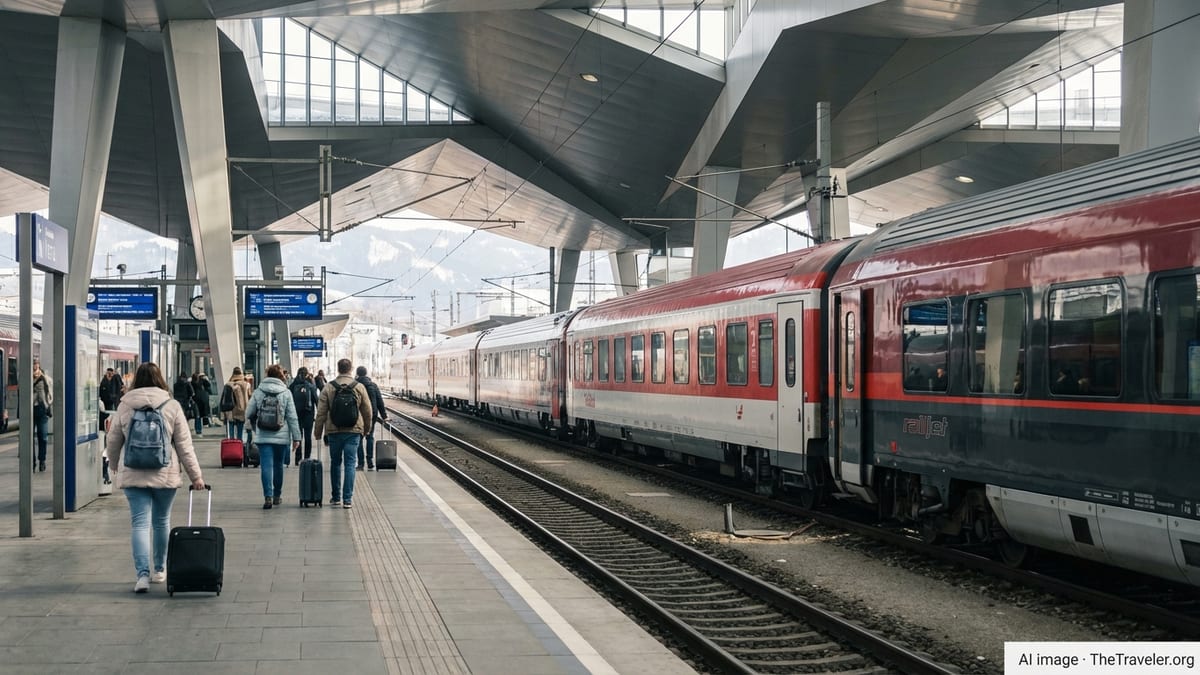
Overtourism Flashpoints Put Austria Under Pressure
For much of the past decade, Austria’s postcard landscapes have doubled as case studies in overtourism. Research and tourism statistics indicate that destinations such as Hallstatt, a lakeside village of fewer than 800 residents, can see tens of thousands of visitors on peak days, with tour buses and day trippers far outnumbering overnight guests. Similar pressures are reported in parts of the Salzkammergut, the Wachau and heavily visited Alpine valleys.
Published academic work and domestic coverage describe how these surges have shifted local debates from how to attract more visitors to how to keep numbers within what communities see as a livable range. Residents in high-profile hotspots increasingly call for limits on day trips, stronger regulations on buses and more tools for municipalities to manage flows in real time rather than reacting after the fact.
At the same time, national tourism accounts show that visitor spending remains a central pillar of the Austrian economy, with tourism’s direct share of economic output rising again in 2024. Policymakers are therefore trying to balance the financial importance of travel with growing demands for protection of local life, landscapes and infrastructure in some of the country’s most photographed locations.
Hallstatt Pilots Stricter Visitor Management
Hallstatt, which has become a global social media fixture, is emerging as a laboratory for the strictest crowd-control ideas. The village already obliges tour coaches to prebook access slots and use designated parking, with information from local operators indicating that buses must reserve their arrival time in advance instead of queuing spontaneously on narrow approach roads.
Regional development documents show that in 2024 local authorities and partners launched a multi-year project focusing on visitor steering and regulation in Hallstatt. Publicly available project descriptions outline plans for tools such as digital monitoring of arrivals, zoning for sensitive areas, and clearer limits on where groups may gather, all with the stated aim of protecting residents’ quality of life and the lakeside environment.
Separate reports from tourism bodies and domestic media highlight work on a broader “visitor steering center” concept for Hallstatt and nearby destinations in the Salzkammergut. The idea is to consolidate data on arrivals, parking and crowd density into one hub that can trigger operational responses, from redirecting buses to temporarily closing overburdened viewpoints at short notice.
Locally, the trend points toward a shift from voluntary appeals to more binding rules. Proposals discussed in regional forums include explicit caps on the number of daily tour buses, mandatory time windows for groups, and higher fees for short-stay visitors compared with travelers who stay overnight, although these ideas are still being refined before they can be fully implemented.
Cities Raise Taxes and Tighten Lodging Rules
Austria’s major cities are also adjusting their tourism frameworks in response to growing visitor numbers. Vienna, which has reported record levels of congress and city-trip visitors in recent years, is preparing a gradual increase in its local tax on overnight stays from July 2026. Official information for businesses describes a higher percentage levy on accommodation bills, providing more revenue earmarked for tourism and city services.
Guidance from the city outlines how the revised local tax will apply to hotels, guesthouses and short-term rentals. The adjustments build on existing rules that already require platforms and hosts to register and collect the levy, reflecting concerns over the spread of unregulated rentals and their effect on housing markets in popular districts.
Salzburg and other provinces are likewise updating their tourism and overnight tax legislation. Legal texts published in regional law gazettes show that recent amendments give municipalities more flexibility to differentiate charges between central, highly frequented areas and outlying zones, or to vary the rate across summer and winter seasons. The changes are framed as a way to reflect both the true cost of tourism infrastructure and the intensity of visitor pressure across different parts of each region.
For travelers, these measures mean that city breaks and Alpine stays are likely to come with slightly higher local surcharges in the coming years. The extra costs are modest on a per-night basis but signal a broader turn toward using fiscal tools to influence how and where visitors choose to stay.
New Costs and Rules for Bus Tours and Day Trippers
While overnight guests face rising levies, Austria is also reshaping the rules for the buses and day visitors that contribute heavily to crowding in picturesque centers. National tolling regulations have been updated to introduce a distinct rate group for buses on certain motorways from 2025, according to documentation from the state highway operator. This change will make it more expensive for large coaches to use key routes, especially when they only deliver passengers for short stops in overburdened locations.
In parallel, Hallstatt and other hotspots continue to refine their own booking and access systems for tour coaches. Public information on local parking rules notes that entry and exit for buses are tied to prebooked time slots, with penalties or surcharges for overlong stays. Local discussions reported in Austrian media point toward further tightening, such as earlier cutoffs for morning arrivals, to reduce traffic jams during peak hours.
Industry notices from transport and tourism chambers signal that coach operators are also adapting to evolving European requirements on driving and rest times, a factor that can influence how tightly packed itineraries are across several sights in one day. As crowd-control rules become more location specific, large tour companies may need to redesign their classic circuits through the Salzkammergut, Tyrol and city centers to remain compliant while keeping schedules viable.
Travel experts following these developments suggest that the combined effect of new toll categories, village-level rules and higher parking fees is to gently push mass tourism products toward fewer one-hour photo stops and more emphasis on longer, better-planned visits.
What Travelers Should Expect From Austria’s Next Tourism Era
For future visitors, Austria’s tightening tourism framework will mostly be felt in small but noticeable ways. Prospective guests can expect higher local taxes added to hotel bills in cities such as Vienna, more advance planning for visits to famous lakeside villages, and stricter rules for buses and organized groups in narrow valleys and historic squares.
Destination managers increasingly promote the idea that travelers should book ahead, travel outside the busiest midday windows and consider overnight stays rather than rushing through at peak hours. Local tourism materials also encourage visitors to explore less-known lakes, hiking areas and market towns that offer similar scenery with fewer crowds, in an effort to spread demand across wider regions.
The new approach does not close Austria off to tourism; national accounts underline that the sector continues to grow and remains a major employer. Instead, the policy shift points to a recalibration of how many people can comfortably share specific spaces at the same time, and who should bear the costs of managing that impact.
For now, the most radical experiments in visitor caps and digital crowd steering are concentrated in a handful of villages and high-profile areas. Observers in other Alpine regions are watching closely to see whether these tools can preserve local character while keeping Austria open to visitors, potentially offering a roadmap for other European destinations confronting their own overtourism flashpoints.