
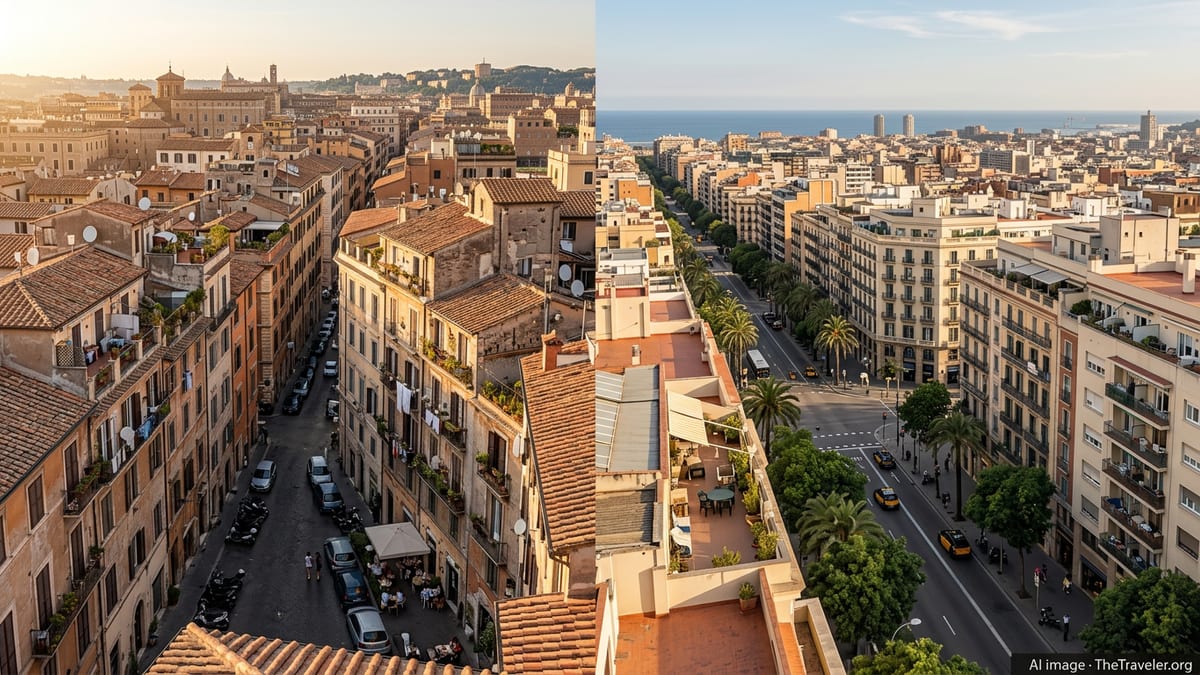
Italy vs Spain for Relocation: Cost, Taxes, and Lifestyle Compared
Analytical comparison of Italy and Spain for relocation, focusing on living costs, personal taxes and day to day lifestyle implications for residents.

Vincent Amarante is a writer with a background in urban development and regional studies. His work explores travel, culture, and how cities and communities evolve over time.
Analytical comparison of Italy and Spain for relocation, focusing on living costs, personal taxes and day to day lifestyle implications for residents.
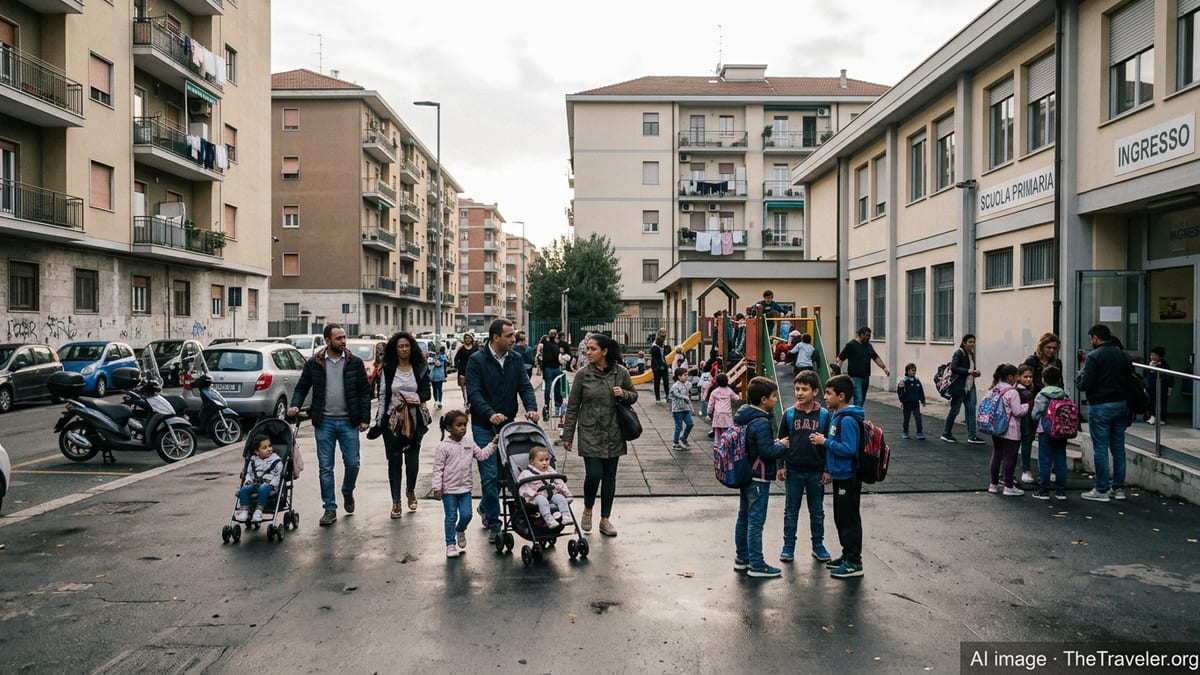
Analytical breakdown of how Italy supports families, covering demographics, childcare, education, schooling schedules and work-life balance for relocating parents.
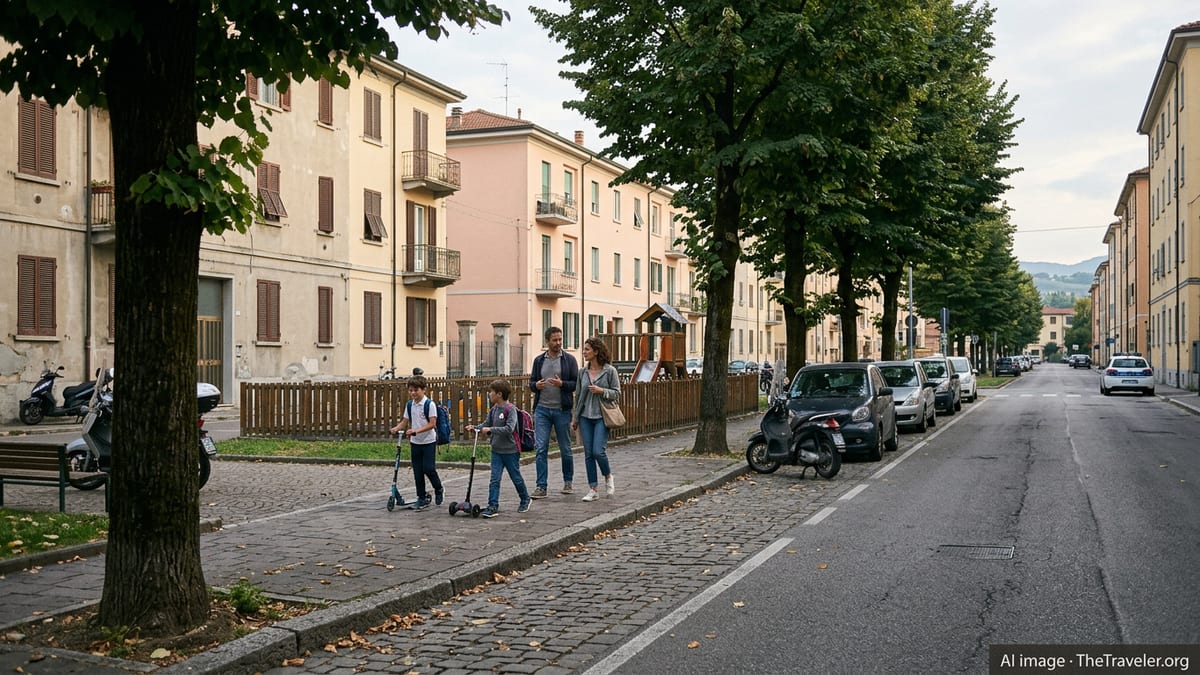
Objective analysis of crime levels, safety patterns and relatively safer cities in Italy, tailored to families considering relocation.
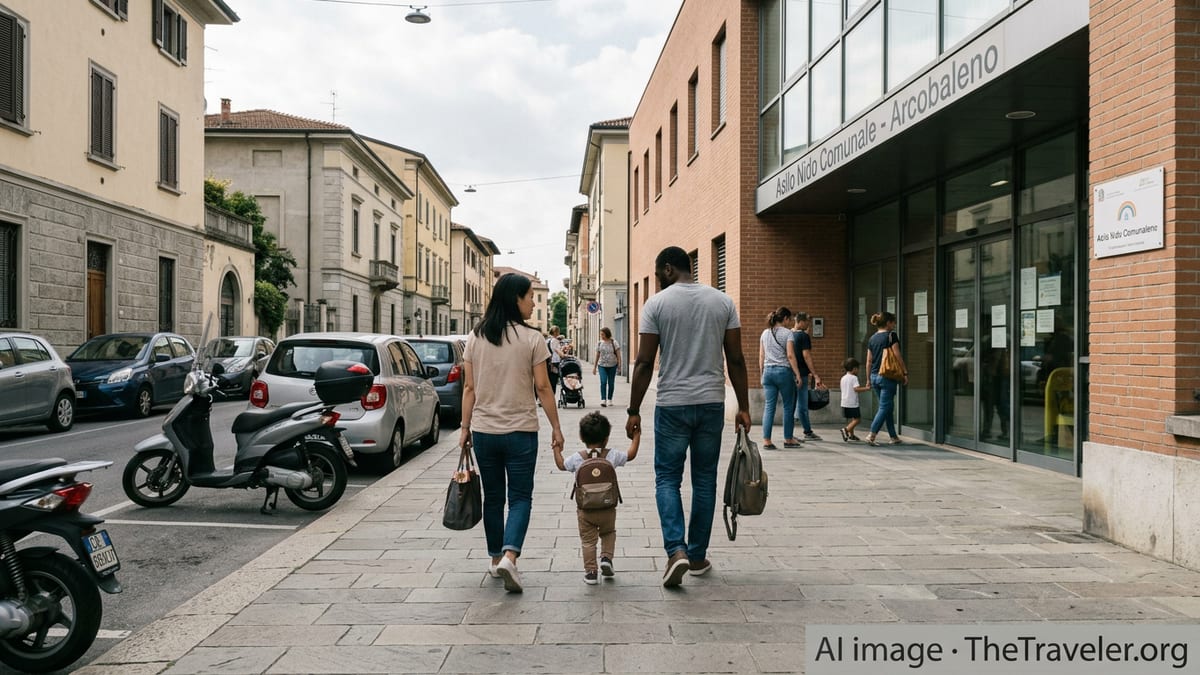
Analytical overview of childcare costs in Italy, from nurseries to nannies and school-age care, with regional ranges and key considerations for expat families.

Analysis of international school options in Italy with typical tuition ranges, key cities, and cost drivers for relocating families.

Objective comparison of Italian public, private and international schools for expat families, with focus on curriculum, language, costs and integration.
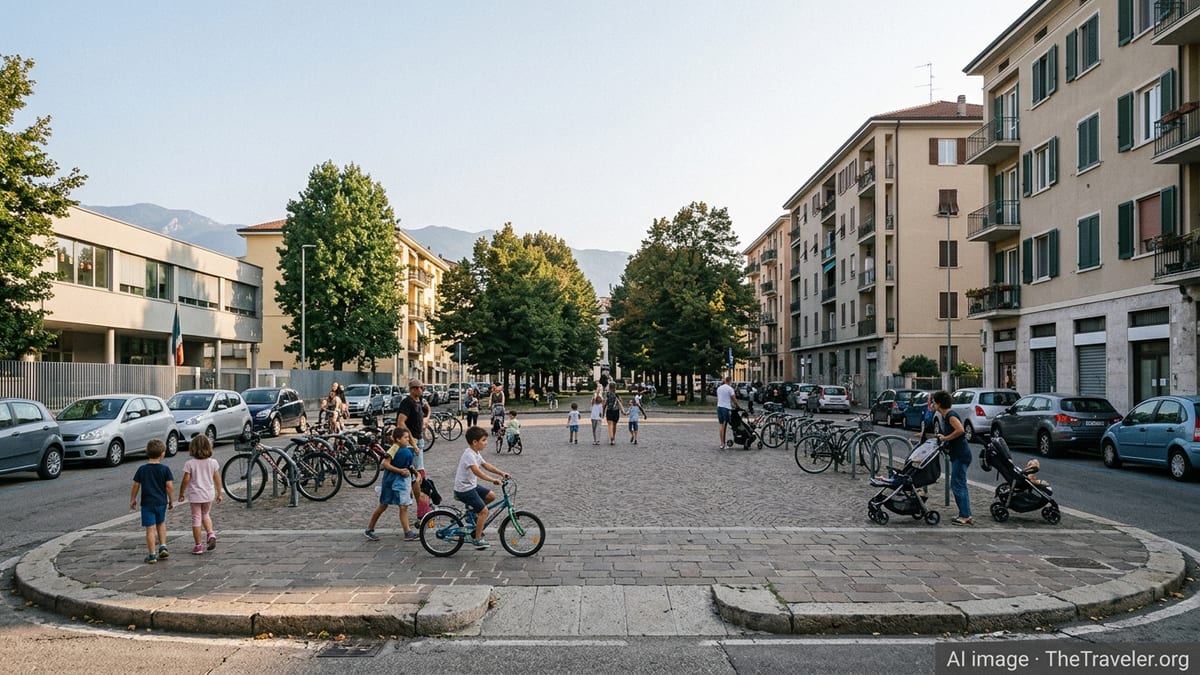
Analysis of Italian cities that offer the strongest combination of family-oriented schooling options, personal safety, and child-friendly everyday lifestyle.

Analytical assessment of Italy’s remote work viability, covering connectivity, work culture, coworking ecosystem, regional gaps, and practical risks for relocators.

Analytical briefing on Italy’s main tax risks for digital nomads, including residency triggers, global income exposure, incentives and employer consequences.

Assessment of Italy’s coworking infrastructure, highlighting key cities, leading operators, workspace quality, and practical considerations for long‑term remote workers and relocators.
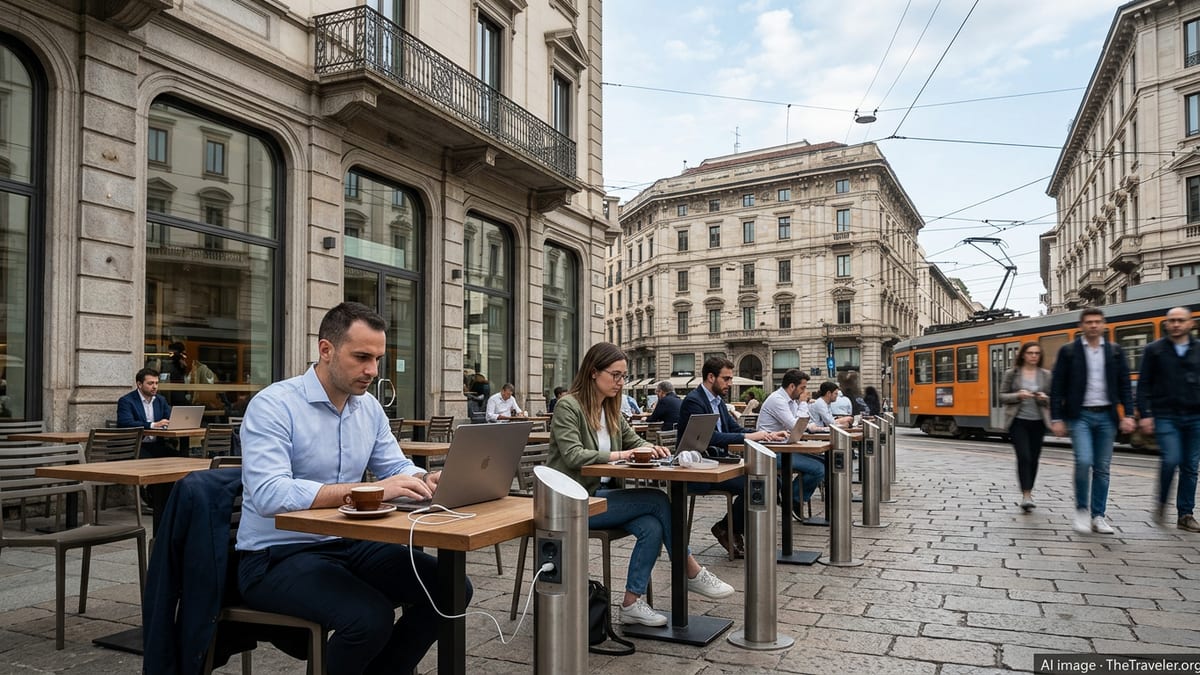
Assessment of leading Italian cities for digital nomads, focusing on connectivity, coworking infrastructure, commute patterns, and remote-work readiness across the country.
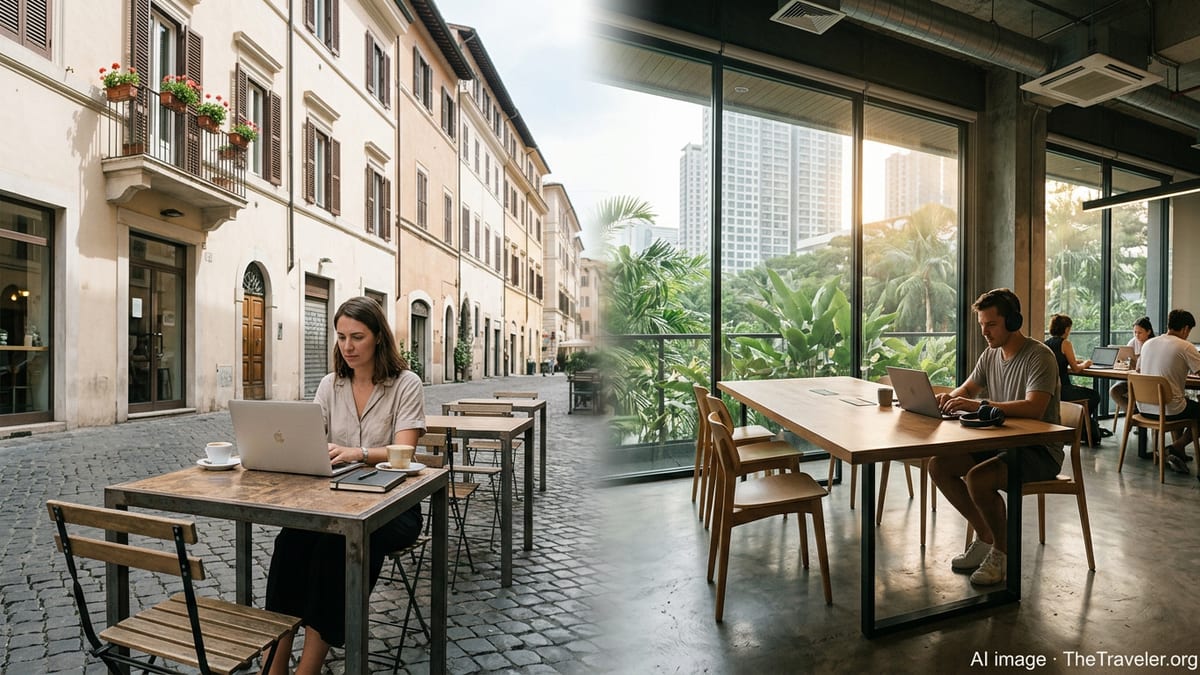
Structured comparison of Italy and Thailand for remote workers, focusing on everyday costs, work lifestyle conditions, and personal tax treatment.
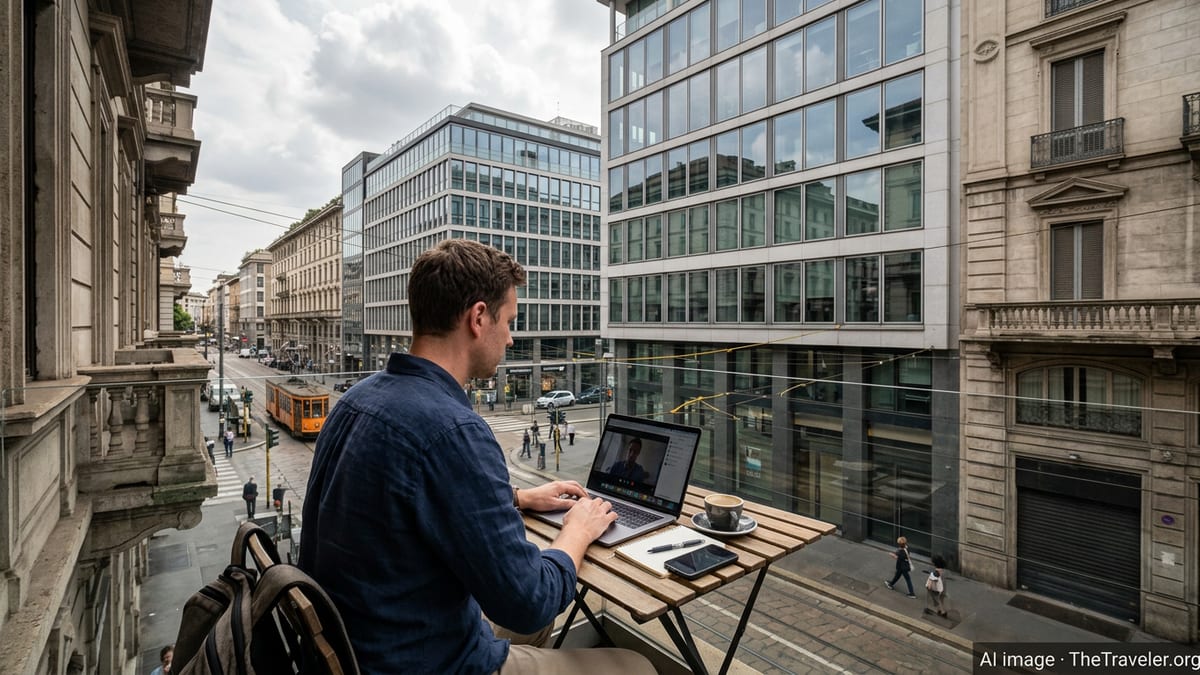
Assessment of Italy’s digital infrastructure, work environment, and practical conditions to determine how suitable it is for digital nomads in 2026.
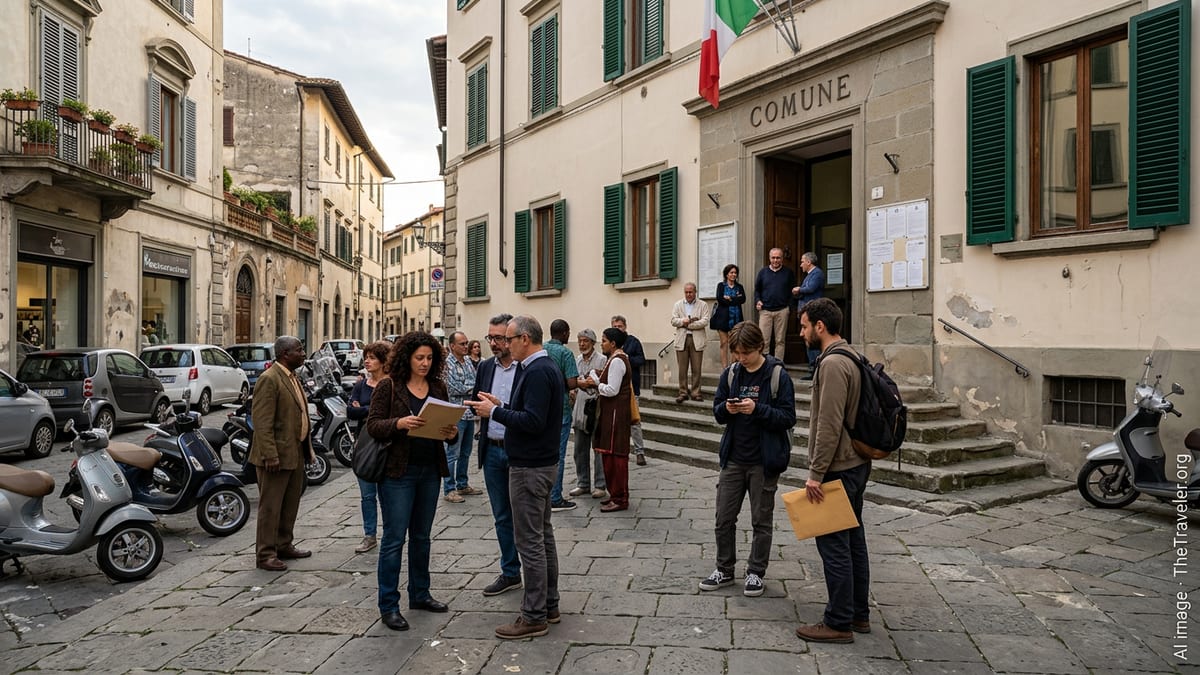
Analytical overview of how difficult it is for foreign nationals to integrate in Italy, based on language, bureaucracy, social inclusion and civic outcomes.

Analytical overview of leading Italian cities for remote workers, comparing lifestyle, cost levels and digital infrastructure to support long-term relocation.