


For many first-time visitors to Istanbul, Üsküdar is where the city finally starts to feel real. Just a 10-minute ferry ride from the historic peninsula, this Asian-side district gives you sweeping Bosphorus views, centuries-old mosques, and low-key waterfront life, without the crowds of Sultanahmet. This guide walks you through exactly what Üsküdar is, how to reach it, what to see and eat, how safe it feels on the ground, and how to fit it smoothly into your first Istanbul itinerary.
Get the latest updates straight to your inbox!
What and Where Is Üsküdar?
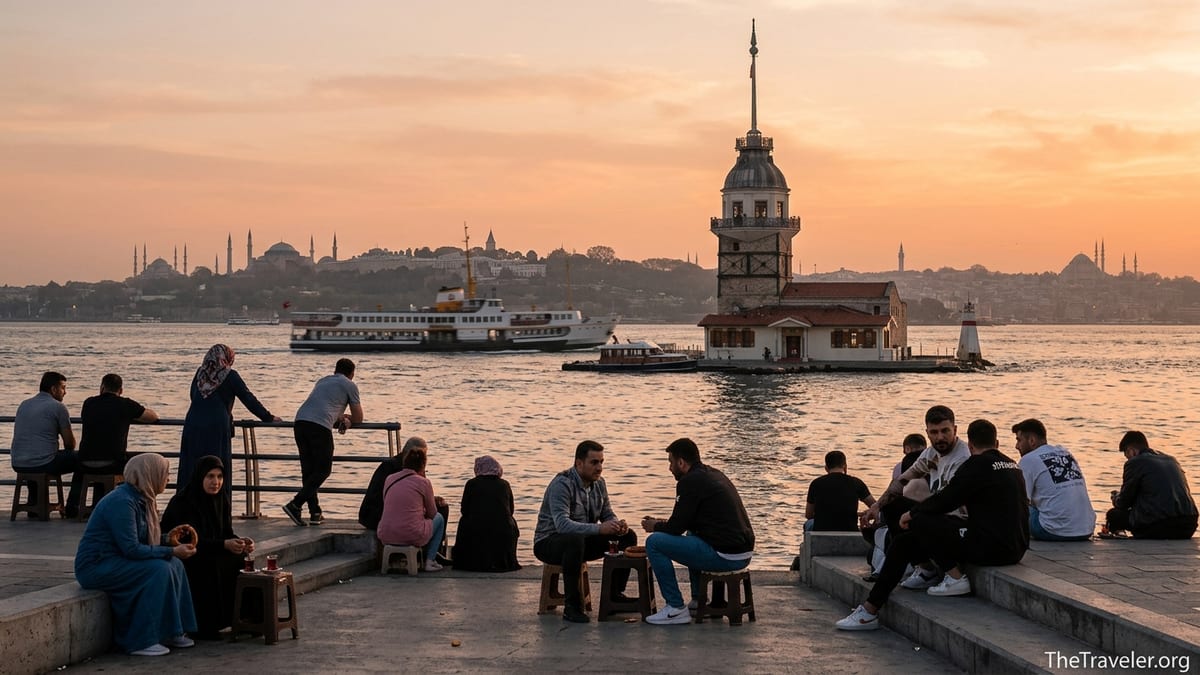
Üsküdar is a historic district on the Asian side of Istanbul, directly opposite the old city across the Bosphorus. When you stand on the waterfront, you look straight toward the silhouettes of Hagia Sophia and the Blue Mosque on one side and the modern towers of Beşiktaş and Karaköy on the other. The area mixes dense residential streets, historic religious complexes, busy transport hubs, and relaxed seaside promenades where locals drink tea on plastic stools facing the water.
For a first-time visitor, Üsküdar is less about a checklist of big-ticket attractions and more about atmosphere. You will see office workers rushing for ferries, families pushing strollers at sunset along the promenade, students with takeaway simit (sesame bread rings) from a street cart, and older men reading newspapers in traditional tea gardens. Compared with livelier Kadıköy or nightlife-heavy Beyoğlu, Üsküdar feels more conservative, more residential, and slightly quieter, especially at night.
Geographically, Üsküdar sits roughly opposite Eminönü and Karaköy on the European side. It is one of Istanbul’s main transport nodes, with ferry piers, the Marmaray rail tunnel station, metro connections and numerous buses fanning out to residential neighborhoods and hills like Çamlıca. That connectivity makes it easy to drop into Üsküdar for half a day, even if you are staying elsewhere in the city.
Culturally, the district has deep Ottoman roots. You will notice multiple imperial mosques and külliyes (religious and social complexes), historic cemeteries on the hillsides, and small caravanserai-era streets radiating inland from the waterfront. Yet you are never far from a modern café, a dessert shop doing Instagram-famous kunefe, or a chain supermarket. It is traditional Istanbul, but still very much part of a contemporary megacity.
Getting to Üsküdar: Ferries, Marmaray and Practicalities
The most enjoyable way to reach Üsküdar is by ferry. Şehir Hatları and private operators run frequent crossings from major European-side piers such as Eminönü, Karaköy, Beşiktaş and Kabataş. At peak times, departures can be every 10 to 15 minutes, and the crossing usually takes about 10 to 20 minutes depending on the route. Expect to tap your Istanbulkart at the turnstiles and pay an amount that is usually only slightly more than a metro ride, still very affordable compared with taxis.
If you are coming straight from the historic Sultanahmet area, it is easy to walk or take the T1 tram down to Eminönü, then hop on the Eminönü–Üsküdar ferry. Travelers staying near Taksim or Galata often use the short downhill walk or the funicular to reach Karaköy or Kabataş and then cross to Üsküdar from there. In all cases, build a bit of buffer time into your schedule; ferries usually run reliably, but weather and occasional schedule changes can affect exact departure times.
For a faster and more weather-proof option, the Marmaray rail tunnel runs under the Bosphorus and connects the European and Asian sides in a matter of minutes. If you are staying around Sirkeci, Yenikapı, or further out toward Bakırköy, hopping on Marmaray toward Üsküdar is often quicker than walking to the ferry. From Kadıköy, you can also reach Üsküdar by taking the metro one stop to Ayrılık Çeşmesi and then switching to Marmaray for a single stop to Üsküdar.
Taxis are widely available, and a daytime ride from Sultanahmet or Taksim to Üsküdar over the Bosphorus bridges can be reasonable in cost when traffic is light. However, Istanbul’s congestion can turn a 20-minute ride into an hour, and drivers sometimes try to avoid crossing to the other continent. Most visitors find ferries plus rail to be easier, cheaper, and more pleasant, particularly during rush hours when locals themselves often prefer the water.
Waterfront Walks, Maiden’s Tower and Iconic Views
Once you step out of Üsküdar ferry terminal, you are only a few minutes’ walk from some of the district’s most photographed views. Turning right and strolling along the seafront takes you toward Salacak, the stretch of waterfront that looks directly onto the Maiden’s Tower, the small lighthouse-like islet in the middle of the Bosphorus. On clear afternoons, you will see local couples and groups of friends sitting on the low sea wall, sharing sunflower seeds or takeaway tea and watching the ferries glide past.
The Maiden’s Tower itself has been carefully restored in recent years and reopened to visitors, with timed boat shuttles running from the Salacak pier. Tickets include the boat transfer and entrance to the small museum and viewing areas on the islet. Prices for visitors are higher than for locals and can change with inflation, but you can expect to pay the rough equivalent of a modest sit-down meal in central Istanbul for the combined ticket. Many travelers feel the cost is worthwhile for the unique 360-degree views over both continents.
If you would rather keep your budget in check, the Salacak promenade offers almost the same spectacle for free. Arrive about an hour before sunset on a clear day, buy a simit and a cup of tea from one of the waterfront kiosks, and find a spot along the promenade steps. As the sky turns pink and orange behind the old city skyline, the call to prayer drifts across the water from both sides of the Bosphorus, and you get one of Istanbul’s classic panoramas without ever entering a ticketed site.
Heading north from the main ferry area, the promenade continues past small parks and seating areas toward neighborhoods like Kuzguncuk. This route is longer and quieter, with families pushing strollers, joggers, and fishermen lining parts of the shore. If you walk far enough, you will eventually see the Bosphorus Bridge (15 July Martyrs Bridge) looming above. Even a 20- or 30-minute stroll in this direction gives you an excellent sense of daily life on Istanbul’s Asian coast.
Historic Mosques, Viewpoints and Local Landmarks
Üsküdar’s skyline is punctuated by a series of important mosques, many commissioned by powerful Ottoman royals. Just inland from the waterfront you will find Mihrimah Sultan Mosque, designed by the renowned architect Mimar Sinan for the daughter of Sultan Suleiman the Magnificent. Its courtyard often fills with worshippers on Friday prayers, but at quieter times visitors are welcome to step inside, dress modestly, and appreciate the stained glass and calligraphy.
A short walk along the coast brings you to Şemsi Paşa Mosque, one of the smallest and most charming waterfront mosques in the city. Its courtyard opens almost directly onto the Bosphorus, and during calm weather people lean against the low walls, sipping tea from nearby vendors while watching passing ships. This makes a peaceful contrast to the grander complexes of Sultanahmet, and being able to wander in and out without crowds is part of the magic.
Beyond the immediate center, Üsküdar’s hills offer some of the best viewpoints in Istanbul. Çamlıca Hill is a classic weekend destination for locals, with landscaped gardens, walking paths, and wide views over the Bosphorus and old city. Nearby stands Çamlıca Mosque, one of the largest mosques in Türkiye, whose modern Ottoman design and expansive courtyards make it an impressive stop even for non-Muslim visitors. Taxi or bus rides up to Çamlıca can be subject to traffic, but many travelers find an early morning or late afternoon visit avoids the worst congestion.
Another area worth seeking out is Kuzguncuk, a neighborhood on Üsküdar’s northern edge that retains a village-like feel. Colorful wooden houses, small art galleries, and family-run bakeries line its narrow streets. You can easily combine a stroll through Kuzguncuk with a waterfront walk from central Üsküdar, then either walk back or hop on a bus or minibus. Even a short coffee stop here gives you a different angle on Asian-side life than the more commercial streets around the ferry terminal.
Cafés, Food Culture and Everyday Eating
Üsküdar’s food scene is less about experimental fine dining and more about solid, everyday Turkish cooking. Around the main square and inland streets, you will find lokantas serving trays of stews, grilled meats, and vegetable dishes that you choose from behind glass. A typical plate with one meat dish, rice, and salad often costs less than a sit-down meal in tourist-heavy parts of the European side, and tap water or simple tea is usually inexpensive or complimentary.
If you follow the locals, you will notice certain streets filling at lunchtime with office workers heading to favorite spots for home-style dishes like kuru fasulye (white beans in tomato sauce), et sote (sauteed meat), and stuffed vegetables. Many of these places do not have English menus, but you can simply point at the trays or ask staff to recommend a mix. Payment is typically at the counter after you eat, and contactless card payment is now widely accepted across the district.
Cafés range from traditional tea gardens with tulip-shaped glasses and backgammon boards to modern specialty coffee shops that would not look out of place in Berlin. Along the waterfront you can find simple stands selling tea, Turkish coffee and simit to eat while sitting on the promenade steps. Inland, newer cafés often serve pour-over coffee, cakes, and simple breakfasts like menemen (scrambled eggs with tomato and pepper) and gözleme (stuffed flatbreads). Prices tend to be gentler than in Kadıköy’s trendiest corners or the side streets off İstiklal Avenue.
Do not overlook dessert. Üsküdar has several well-known baklava and kunefe shops where locals queue in the evenings. Sharing a hot, syrupy portion of kunefe with stretchy cheese inside, plus two small glasses of tea, is a classic way to end the day. Even with recent price increases, these treats usually remain within reach of a midrange travel budget, especially if you step away from waterfront tourist magnets and choose places where you see local families eating.
Sunset Rituals, Night Atmosphere and Safety
Sunset from Üsküdar’s waterfront is one of Istanbul’s essential experiences. On clear days, people begin to gather an hour or so beforehand, sitting on the low walls and steps that line the shore, often bringing takeaway tea from nearby kiosks or ordering from roaming waiters linked to simple cafés behind the promenade. You will see families, students, solo visitors, and older couples all facing west, watching the sun sink behind the domes and minarets of the European side.
Once darkness falls, Üsküdar remains active around the main square and transit hubs but becomes much quieter in side streets and residential areas. This is not a nightlife district in the sense of bars and clubs. Many shops close by 9 or 10 p.m., and outside weekends you may find some streets almost empty. For first-time visitors, this calm can feel restful after the intensity of Taksim or Karaköy, but it also means you should plan your late-evening returns with public transport schedules in mind.
In terms of safety, Üsküdar is widely considered one of Istanbul’s safer central districts, with a largely residential character and strong local community. Visitors, including many solo travelers, often comment that they feel comfortable walking along the waterfront and main shopping streets in the early evening. As in any major city, pickpocketing can occur in crowded spots such as ferry piers and markets, so keep your bag zipped and valuables close, especially when boarding or leaving public transport.
Women traveling alone usually report feeling relatively at ease in Üsküdar compared with some nightlife-heavy or more tourist-centric neighborhoods. That said, standard urban precautions apply: avoid very quiet backstreets late at night, trust your instincts if a situation feels off, and use licensed taxis or well-lit public transport hubs after dark. If you are staying in Üsküdar, consider choosing accommodation close to the ferry terminal, Marmaray or metro stations so that your walk home at night is short and straightforward.
Respecting Local Culture and Dress
Üsküdar has a noticeably more conservative atmosphere than parts of central Istanbul like Beyoğlu or Karaköy. You will see more women wearing headscarves, more traditional clothing among older residents, and a stronger presence of religious schools and institutions. This does not mean tourists are unwelcome, but dressing and behaving with a bit of extra modesty is appreciated, especially away from the waterfront and main squares.
For both men and women, covering shoulders and avoiding very short shorts or skirts helps you blend in better, particularly if you plan to visit mosques or wander through residential streets. Standard city outfits such as jeans, loose trousers, midi skirts, and T-shirts are perfectly acceptable. If you are carrying a light scarf, it is easy to cover your hair when entering a mosque and then remove it outside; many mosques also provide loaner scarves and skirts at the entrance for visitors.
When photographing people, always ask permission first, especially in more traditional markets or near religious schools. Locals are generally friendly when approached politely and may even suggest a better angle for your shot. Around the waterfront, casual people-in-the-frame shots are common and rarely questioned, but tight portraits of individuals without consent can feel intrusive.
Alcohol is less visible in Üsküdar than in some European-side districts. You will find far fewer bars and meyhanes (traditional taverns), and many restaurants do not serve alcohol at all. If you would like a glass of wine or rakı with dinner, you may be better off heading to Kadıköy or the European side in the evening and returning to Üsküdar afterward. This pattern mirrors what many local residents themselves do on weekends.
Fitting Üsküdar into a First-Time Istanbul Itinerary
For a typical first visit of three to five days, Üsküdar works well as either a half-day excursion or a themed full day. One common pattern is to spend the morning in Sultanahmet visiting Hagia Sophia and the Blue Mosque, then take the ferry from Eminönü to Üsküdar in the mid-afternoon. After a short walk through the main square and a mosque visit, you can stroll down to Salacak for Maiden’s Tower views, grab tea and simit, and stay for sunset before ferrying back to the European side for dinner.
If you have more time, consider dedicating a full day to the Asian side, combining Üsküdar with Kadıköy or Moda. Start with morning views from Çamlıca Hill and a visit to Çamlıca Mosque, descend to Üsküdar for lunch at a lokanta, then walk part of the waterfront and possibly explore Kuzguncuk. In the late afternoon, hop on a short ferry ride from Üsküdar to Kadıköy for an evening in its lively market streets and cafés before heading back to your hotel.
Staying in Üsküdar itself is increasingly popular with travelers who prefer quieter, residential bases. Short-term rentals and a growing number of small hotels and apart-hotels cluster around the central area, within walking distance of the waterfront and transport hubs. This can be a smart choice if you plan to commute each day by ferry to the European side, enjoying the water crossing as part of your routine, while returning each night to calmer streets.
Transportation cards and mobile maps make logistics straightforward. Buy a rechargeable Istanbulkart at major metro or ferry stations, top it up with cash or card, and use it for almost all public transport, including ferries and Marmaray. Offline-capable map apps are useful in Üsküdar’s hilly backstreets, where some lanes dead-end in staircases or courtyards, and street names can be harder to spot than in the tourist core.
FAQ
Q1. Is Üsküdar safe for first-time visitors, including solo travelers?
Üsküdar is generally considered one of Istanbul’s safer central districts, with a residential feel and strong local community. Normal big-city precautions still apply: keep valuables secure, avoid very quiet backstreets late at night, and use official taxis or well-lit public transport when returning to your hotel after dark.
Q2. How long should I plan to spend in Üsküdar on my first trip?
If your time in Istanbul is short, a half day is enough to walk the waterfront, see a mosque or two, enjoy Maiden’s Tower views, and stay for sunset. With a full day, you can add Çamlıca Hill, Kuzguncuk, and more leisurely café stops.
Q3. What is the best way to get from Sultanahmet to Üsküdar?
The most scenic route is to walk or take the tram down to Eminönü and then catch the ferry to Üsküdar using your Istanbulkart. For speed or bad weather, you can use the Marmaray rail, connecting via Sirkeci station and riding directly under the Bosphorus to Üsküdar.
Q4. Can I visit the Maiden’s Tower, and is it worth the cost?
Yes, the Maiden’s Tower has reopened to visitors with boat shuttles from the Salacak waterfront. Tickets are not cheap by local standards, but many travelers feel the 360-degree views and the experience of standing in the middle of the Bosphorus justify the expense at least once.
Q5. What should I wear in Üsküdar, given its more conservative reputation?
Smart-casual city clothing works well: covered shoulders, skirts or shorts that are not extremely short, and a light scarf for women who want to enter mosques. You do not need to dress in full traditional attire, but slightly more modest outfits than you might wear in a beach resort help you blend in and show respect.
Q6. Are there good vegetarian or budget food options in Üsküdar?
Yes. Many lokantas offer vegetable-based dishes such as lentil soups, stuffed vegetables, and bean stews, and prices are often lower than on the tourist-heavy European side. Simit stands, börek bakeries and simple cafés also provide very affordable snacks and light meals.
Q7. Is Üsküdar a good place to stay for my whole Istanbul visit?
It can be, especially if you value a quieter, more local atmosphere and do not mind commuting by ferry or rail to main European-side sights. Accommodation near the ferry terminal or Marmaray station offers quick access across the Bosphorus while keeping your evenings calm.
Q8. How late do ferries and public transport run between Üsküdar and the European side?
Schedules vary by season and route, but many ferries run until late evening, and Marmaray services generally operate from early morning until just before midnight. It is wise to check the latest timetables on arrival and avoid leaving the very last departure as your only option.
Q9. Are there bars or nightlife in Üsküdar?
Üsküdar has far fewer bars than districts like Beyoğlu or Kadıköy. Most evening activity centers on cafés, dessert shops, and the waterfront promenade. If bar-hopping or live music is a key part of your plans, consider spending your nights out in other districts and returning to Üsküdar to sleep.
Q10. What are some easy add-ons to combine with a visit to Üsküdar?
Popular combinations include pairing Üsküdar with Kadıköy and Moda on the same day, adding a morning or sunset trip to Çamlıca Hill, or walking north along the waterfront to explore Kuzguncuk’s colorful streets. All of these can be reached in under an hour using local ferries, buses or short taxi rides.