


Lake Bohinj promises glassy water, mountain silhouettes and quieter shores than its famous neighbor Lake Bled. But this corner of Triglav National Park also has its own rules, quirks and seasonal surprises that can catch first-time visitors off guard. From strict parking regulations and shuttle systems to fast-changing weather and limited services out of peak season, a little advance knowledge goes a long way. Here is what travelers who have already been to Bohinj say they wish they had known before booking.
Get the latest updates straight to your inbox!
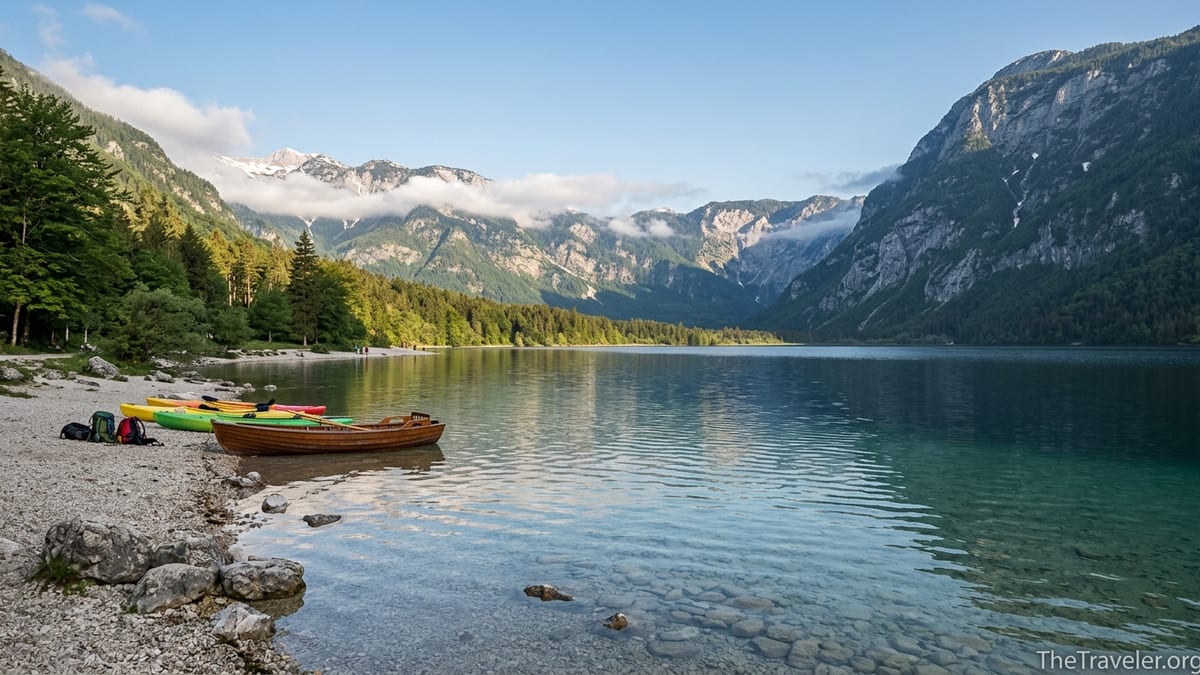
Understand What Lake Bohinj Really Is (and Is Not)
Lake Bohinj is Slovenia’s largest natural lake, set inside Triglav National Park in the Julian Alps. It feels wilder and less developed than Lake Bled, with dense forests, traditional villages like Ribčev Laz and Stara Fužina, and hiking trails that start almost at the shoreline. You come here primarily for nature, swimming, hiking and quiet, not for souvenir shops and nightlife.
That difference can surprise travelers who assume Bohinj will have the same level of infrastructure as Bled. Around Bohinj you will find a few small supermarkets in Bohinjska Bistrica, some guesthouses, a couple of lakeside hotels and seasonal restaurants, but not a dense strip of bars or late-opening cafés. If you picture strolling along a promenade lined with boutiques in the evening, you may be happier basing yourself in Bled and day-tripping to Bohinj instead.
It also helps to remember that the lake sits inside a protected national park. Rules about camping, fires, drones and where you can drive are stricter than in many other European lakeside destinations. Wild camping by the shore is not allowed, and lakeside pitches at official campsites are limited and often book out well in advance in July and August. If your dream is a spontaneous tent spot directly on the water, Bohinj is not the place to wing it at the last minute.
Finally, think about how “quiet” you actually want. Travelers who come in July expecting an empty lake are often surprised by peak-season crowds at the most popular spots such as the main pier at Ribčev Laz, Savica Waterfall and the Vogel cable car valley station. Compared with Bled it still feels calmer, but if you genuinely want solitude, late spring, early June or late September are better fits than school-holiday August.
Choose Your Season Carefully: Weather and Crowds
Bohinj changes character dramatically with the seasons. From roughly June to early September, the lake is warm enough for most people to swim, kayaks and paddleboards are available to rent, and mountain huts and the Vogel cable car operate on fuller schedules. This is also when parking lots fill up by mid-morning and the lakeshore path can feel busy, especially on sunny weekends.
Shoulder seasons such as May, late September and early October can be ideal for hikers. Trails are quieter, daytime temperatures are usually comfortable and accommodation prices are often lower than in high summer. However, some seasonal services shut or reduce hours: for example, boat tours on the lake and some lakeside snack bars may only run on weekends or good-weather days. Travelers who visited Bohinj in early May often report that they were surprised to find fewer open restaurants around the lake than expected and were glad to have booked self-catering apartments.
Winter is another world again. From roughly late December into March, Bohinj becomes a base for skiing at Vogel and for snowshoeing and winter hiking in the surrounding mountains. The Vogel cable car typically operates on a winter timetable, and ski buses connect the valley to the slopes. However, the lakeshore itself can be very quiet after dark and daylight hours are short. If you imagine sipping drinks on a lively terrace until late evening, winter Bohinj may feel too sleepy, whereas skiers and photographers often love the silence and snow-covered peaks reflected in the lake.
Whenever you choose to visit, factor in the microclimate. Bohinj sits in a basin and can trap cloud and fog. In spring and autumn it is common for mornings to be misty and cool but clear up around midday. Day-trippers driving from a sunny Ljubljana have been surprised to find low cloud hanging over the lake, so it is worth allowing at least a full day here rather than squeezing Bohinj into a rushed half-day visit.
Getting There and Around: Buses, Trains, Parking and Shuttles
Many visitors underestimate how car-light Bohinj is trying to become. The local municipality and Triglav National Park strongly encourage visitors to use public transport and organized shuttles instead of driving and parking right by the lake. Regular buses run between Ljubljana and Bohinj, usually stopping at Bohinjska Bistrica and continuing to Ribčev Laz and Ukanc. Travel time from Ljubljana is typically around two hours, and tickets are usually comparable in price to other intercity buses in Slovenia, making this a realistic option if you do not plan to rent a car.
If you arrive by car, know the parking rules before you go. Parking is officially allowed only in marked car parks, and inspectors do issue fines for roadside or meadow parking. Close to the lake, daily parking rates at peak-season lots such as in Ukanc or near Stara Fužina are significantly higher than what you pay in larger lots further back in the valley. Some recent visitors report paying only a few euros per day to park in Bohinjska Bistrica and then using shuttle buses to reach the lake, a strategy that avoids traffic jams on the narrow lakeside access roads.
In summer and during major holiday periods, free or low-cost shuttle buses and on-demand transfers connect Bohinjska Bistrica, Ribčev Laz, Ukanc, Savica Waterfall and trailheads. These shuttles can be vital, because parking at places like the Savica Waterfall trailhead often fills early in the day. Visitors who did not realize how limited parking would be sometimes end up wasting prime morning hiking hours circling for a spot. Check current shuttle timetables shortly before your trip and plan to park once, then move around by bus or on foot.
Within the valley, distances are shorter than many first-timers expect. The walk from Ribčev Laz to Ukanc along the northern lakeshore is around an hour at a relaxed pace, which makes it easy to combine public transport and walking. A common strategy is to take a bus or boat one way and walk back. For those staying in Bohinjska Bistrica, keep in mind that it is not on the lake itself; you will need to bus, drive or bike the few kilometers down to Ribčev Laz for lakeside activities.
Budgeting Realistically: What Things Actually Cost
Compared with big Alpine resorts in neighboring countries, Bohinj can still feel good value, but it is not a rock-bottom budget destination. Travelers are often pleasantly surprised by apartment prices and campsite fees, but slightly taken aback by the cumulative cost of parking, cable cars and organized activities. Rough, recently reported examples give a clearer picture: a family-sized self-catering apartment in a village like Stara Fužina or Ribčev Laz may cost less in shoulder season and more in summer, while a basic camping pitch near the lake in July or August typically runs more than in spring or autumn, with premium lakeside pitches at the higher end.
On top of published accommodation rates you will pay a municipal tourist tax per person per night, which for adults in the Bohinj municipality is usually a few euros. This is sometimes added in cash on arrival rather than included in the nightly rate shown on booking platforms. Travelers who did not read the fine print have occasionally been surprised by this extra line on the bill, so it pays to check whether the tax is already included when you book, especially for apartments and smaller guesthouses.
Activities and transport also add up. The Vogel cable car, for example, is a significant but worthwhile expense for many travelers, especially on clear days when views of the Julian Alps and the lake below are at their best. Budget-conscious hikers often ride up once in the morning and then hike all day on the plateau to make the most of the ticket. Boat rides on the lake, parking near Savica Waterfall and entry to the waterfall trail itself each involve separate fees, so if you plan to do them all in one day, it can make sense to prioritize what matters most to you.
Food prices broadly match the rest of Slovenia’s Alpine region: a simple pizza or pasta dish in a casual restaurant near the lake will typically cost more than in a small inland town but less than in major Western European capitals. Many travelers keep costs down by shopping at supermarkets in Bohinjska Bistrica, packing picnic lunches for hikes and then choosing one or two evening meals out in traditional gostilnas serving dishes like jota (sauerkraut stew) or trout from local rivers.
Where to Stay: Villages, Lakeside Hotels and Campsites
One of the most important choices you will make before booking is where exactly in the valley to base yourself. Bohinjska Bistrica is the largest settlement, with a small cluster of shops, a spa complex and easier year-round bus connections. It is a practical base for families who want amenities close at hand and do not mind taking a short bus ride to the lake each day. Prices here can be slightly lower than for equivalent properties directly on the lake.
Ribčev Laz, at the eastern tip of the lake, is where you will find the iconic stone bridge and church that appear in most Lake Bohinj postcards. Staying here means you are right at the water’s edge with immediate access to boat tours, the main lakeshore path and several restaurants. However, accommodation options are limited and book up quickly for summer. Travelers who hoped to secure a lakeside room a month before an August visit often end up in villages further afield simply because everything in Ribčev Laz is already full.
On the northern side of the lake, villages like Stara Fužina offer a compromise between idyllic scenery and relative calm. These small settlements have traditional farmhouses converted into apartments and guesthouses, and you can usually walk to the lake in 10 to 15 minutes. They make a good base if you want a quieter evening atmosphere but still want to pop down for sunset swims or walks. West of the lake, Ukanc feels even more remote, surrounded by forest and close to the Vogel cable car; it is ideal for hikers and skiers but very limited in dining and shopping options.
Campsites are a big part of the Bohinj experience, but they follow strict rules. Official campgrounds near the lake may offer a mix of tent pitches, caravan spots and mobile homes, with higher prices for lakefront locations, especially in July and August. Some camps operate from roughly late spring to early autumn, closing entirely in winter. Wild camping on meadows, in forest clearings or directly by the lakeshore is not allowed and can result in fines. Travelers who assumed that the national park status meant they could pitch a tent anywhere for free are often disappointed when they learn about these regulations on arrival.
Activities and Safety: Hiking, Water Sports and Weather
Most people come to Bohinj for outdoor activities, but you do not need to be a hardcore mountaineer to enjoy the area. Around the lake itself, easy walking paths circle large sections of the shore, and short climbs lead to viewpoints with classic panoramas over the water. The popular half-day walk to Savica Waterfall, which feeds the lake, starts from a dedicated parking area at the western end and involves a series of steps through the forest. It is manageable for reasonably fit adults and older children, but not stroller-friendly.
For more serious hiking, Bohinj is a gateway into Triglav National Park’s high trails, including routes that eventually reach Triglav, Slovenia’s highest peak. These longer hikes demand proper gear, early starts and careful attention to weather forecasts. Local rescuers frequently warn about underestimating afternoon storms in the mountains; a clear morning can turn into heavy rain or even summer snowfall at higher elevations. If you are not experienced in Alpine hiking, consider hiring a local guide for demanding routes or joining an organized small-group hike.
On the water, kayaking, stand-up paddleboarding and swimming are all popular in summer when the lake warms up. Rental stands typically set up near Ribčev Laz and at some beaches, charging hourly or half-day rates. Life jackets are usually included for boat rentals, but it is wise to check particularly if you are taking children out. The lake can feel significantly colder a few meters below the surface than it looks from the shore, so swimmers should be honest about their abilities, especially early in the season when snowmelt is still cooling the water.
Whatever you plan to do, pack for quick weather changes. Stories are common of visitors arriving in shorts and T-shirts to bright sunshine, only to be pulling on rain jackets and fleece layers by mid-afternoon. Even in July, evening temperatures can drop sharply, particularly if cloud cover moves in. Sturdy footwear with good grip is essential on forest paths that can become slick after rain. Many travelers who brought only light sneakers for summer city sightseeing in Ljubljana end up buying or wishing they had brought more robust shoes once they see the terrain around Bohinj.
Rules, Etiquette and Visiting a Protected Area
Because Lake Bohinj sits within Triglav National Park, the standards for environmental protection are high. Visitors are expected to stay on marked trails, avoid picking flowers or disturbing wildlife and carry their rubbish out with them. Open fires, including portable grills on the lakeshore, are generally forbidden, and rangers do patrol popular picnic areas during busy periods. Travelers used to more relaxed lakeside barbecues elsewhere in Europe sometimes find these rules strict, but they are central to keeping Bohinj as pristine as it looks in photos.
Noise is another consideration. Villages around the lake are lived-in communities, not just resort complexes, and locals often work early the next morning. Late-night parties on apartment terraces or prolonged loud music at campsites are frowned upon and can draw complaints. If you are traveling as a group and plan to be up late, look for accommodation that specifically welcomes groups and check house rules, rather than assuming that any lakeside place will tolerate noise into the small hours.
Cultural etiquette is otherwise straightforward. Slovenians in Bohinj are used to international visitors and generally speak at least basic English, especially those working in tourism. A few words of Slovenian, such as a simple “hvala” for thank you, are appreciated but not required. Tipping in restaurants is not as formalized as in North America; rounding up the bill or leaving roughly ten percent for good service is common but not obligatory. Finally, be respectful around churches and cemeteries in villages like Ribčev Laz and Stara Fužina, where locals may be attending services or visiting family graves while tourists are taking photos.
Pet owners should check rules in advance. Dogs are generally allowed at the lake but are expected to be on a leash in villages and on busy paths. Some swimming spots have specific rules about dogs entering the water, particularly during the main summer season, to keep shared areas clean and safe for families. Not all accommodations accept pets, and those that do may charge an extra cleaning fee. Clarify this before booking rather than assuming you can simply show up with a dog in tow.
The Takeaway
Lake Bohinj rewards travelers who come prepared for its particular mix of wild beauty and managed access. Those who know about the parking rules, seasonal shuttles, tourist taxes and limited late-night dining options tend to relax into the rhythm of the valley far more quickly. They plan their arrival to avoid traffic at peak times, book accommodation that truly fits their style, and pack layers and footwear that match the terrain instead of just the Instagram photos.
If you are looking for a place where the emphasis is firmly on mountains, water and quiet evenings rather than on nightlife and shopping, Bohinj can feel like a revelation. Give yourself at least a full day, preferably several, build a buffer for weather changes and transport quirks, and treat the national park with the care it deserves. Do that, and you will likely join the many travelers who leave saying they wish they had stayed longer, not that they had done more research.
FAQ
Q1. Is Lake Bohinj a good day trip from Ljubljana, or should I stay overnight?
Many travelers visit as a long day trip, but staying at least one night lets you enjoy early mornings and evenings when the lake is quieter and gives you more flexibility for hikes and weather changes.
Q2. How long does it take to get to Lake Bohinj from Ljubljana by public transport?
Direct buses from Ljubljana to Bohinj typically take around two hours, depending on the route and stops, and usually run multiple times per day in the main season.
Q3. Can I rely on public transport in Bohinj, or do I need a car?
You can manage without a car, especially in summer when shuttle buses connect key points around the lake and regular buses link Bohinjska Bistrica, Ribčev Laz and Ukanc, but a car offers more flexibility for remote trailheads.
Q4. Is swimming allowed in Lake Bohinj, and when is the water warm enough?
Swimming is allowed, and most visitors find the lake comfortable for swimming from roughly June to early September, although the water can still feel refreshingly cool, especially early in the season.
Q5. Are there supermarkets and ATMs near the lake?
Yes, you will find small supermarkets, bakeries and ATMs in Bohinjska Bistrica and limited convenience stores near the lake, but it is wise to stock up on essentials before late evening, especially outside peak summer.
Q6. Do I need to book accommodation at Lake Bohinj far in advance?
For July and August, it is sensible to book lakeside hotels, popular apartments and campsites several months ahead, while in May, June, September and winter you often have more last-minute options.
Q7. Is Lake Bohinj suitable for families with young children?
Yes, many families enjoy the shallow shoreline areas, easy lakeside walks and boat rides, but strollers are not ideal on some forest paths and steps, such as those leading to Savica Waterfall.
Q8. Can I camp anywhere around the lake?
No, wild camping is not allowed in Triglav National Park. You must stay in official campsites or designated camper areas, and lakeside pitches are limited and often need advance reservation in peak season.
Q9. What should I pack for a summer trip to Lake Bohinj?
Bring breathable layers, a light waterproof jacket, sturdy walking shoes, swimwear, sun protection and a warmer layer for cool evenings, as mountain weather can change quickly even on sunny days.
Q10. Is Lake Bohinj less crowded than Lake Bled?
Generally yes, Bohinj feels more natural and less built up than Bled, but popular spots around the lake can still be busy on sunny weekends and in August, so early starts and off-peak visits help avoid crowds.